How to Adjust Deck Angle for Optimal Separation
Proper deck angle adjustment is fundamental to achieving optimal solids control and separation efficiency in shale shaker operations. The deck angle directly influences the conveyance speed of drilling fluid across the screen surface and the depth of the fluid pool. A steeper angle increases conveyance speed, potentially reducing liquid recovery, while a flatter angle slows down the material, allowing for better liquid recovery but risking screen blinding if the separation is too slow. Finding the correct balance is critical for maximizing solids removal while minimizing valuable drilling fluid loss.
Understanding the Role of Deck Angle
The deck angle refers to the incline of the shale shaker's screen panel. This single setting controls how quickly drilled cuttings are transported off the screen and discharged. A primary function is to ensure a thin, even distribution of the drilling fluid across the screen surface. This allows the liquid phase to pass through the screen mesh efficiently while the solids are conveyed to the discharge end. An incorrect angle can lead to a host of problems, including poor cuttings dryness, lost circulation material, reduced screen life, and overall inefficiency in the solids control system.
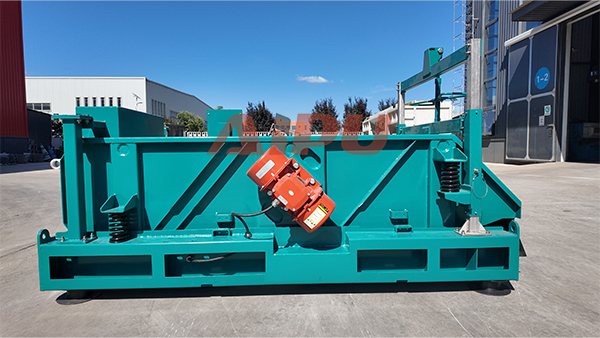
Step-by-Step Adjustment Procedure
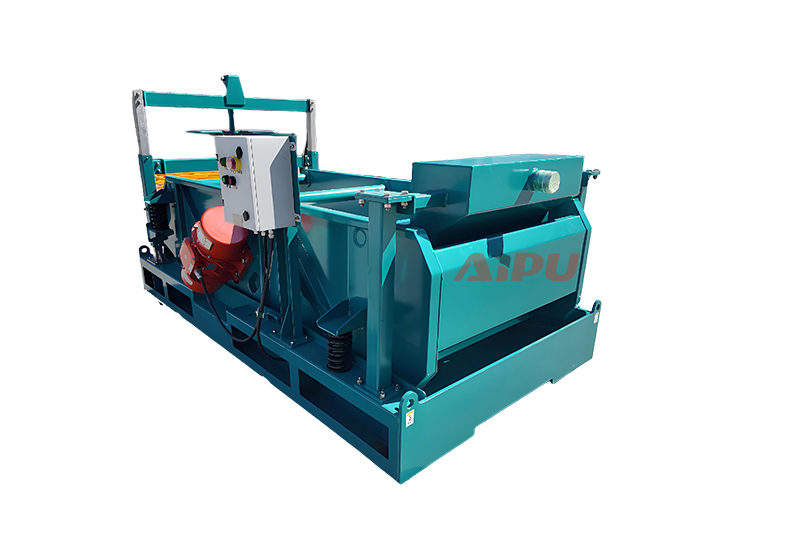
Adjusting the deck angle is typically a straightforward mechanical process. Begin by observing the current performance. Is the fluid pool too deep at the feed end? Are solids being discharged too wet? If so, the angle may be too flat. Conversely, if the fluid is rushing off the screen too quickly with poor separation, the angle is likely too steep. Most modern shale shakers feature a hydraulic or mechanical adjustment mechanism. Locate the adjustment points, which are usually at the discharge end of the shaker. Gradually increase or decrease the angle in small increments, allowing the shaker to run for several minutes after each adjustment to observe the new flow pattern and separation performance.
Identifying the Optimal Setting
The optimal deck angle is not a universal number; it varies based on several factors. These include the properties of the drilling fluid (especially its viscosity and weight), the flow rate from the well, the type and mesh size of the screens installed, and the characteristics of the drilled solids. The goal is to achieve a balance where the entire screen surface is utilized, with a thin, rolling bed of solids that discharges dry cuttings. You should see a clear line of separation between the liquid and solid phases on the screen. The cuttings should appear dry and crumbly at the discharge end, indicating efficient liquid recovery.
Common Issues and Troubleshooting
Several operational issues can be traced back to an improperly set deck angle. If you notice screen blinding—where the screen mesh becomes clogged with fine solids—it often indicates the angle is too flat, causing the cuttings to remain on the screen for too long. If drilling fluid is being lost over the discharge end, the angle is probably too steep, not giving the fluid enough time to pass through the screen. Always make adjustments in conjunction with monitoring the mud properties and flow rates, as a change in these inputs will likely require a corresponding adjustment to the deck angle to maintain peak performance.
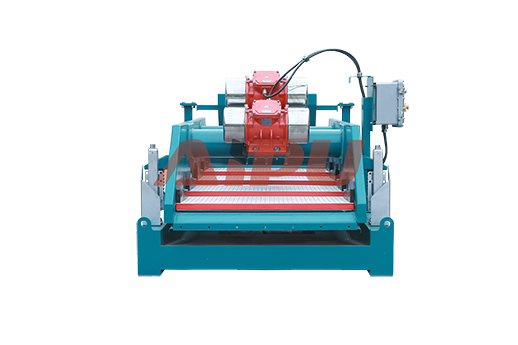
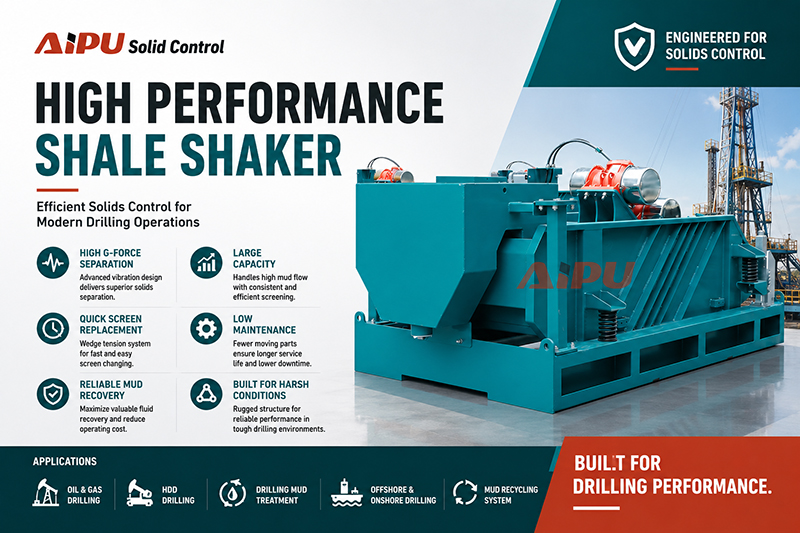
For operators seeking reliable and high-performance solids control equipment, Aipu offers a range of robust shale shakers designed for precise adjustment and optimal separation efficiency. Their equipment is engineered to provide consistent performance under demanding drilling conditions, helping to protect downstream equipment and reduce overall drilling fluid costs.
Related Products