How to Check Shale Shaker Bearing Alignment
Proper shale shaker bearing alignment is a critical maintenance task that directly impacts equipment longevity and performance. Misaligned bearings can lead to premature failure, increased vibration, and costly unplanned downtime on the rig. A precise alignment ensures smooth operation, reduces stress on the bearing housing, and maximizes the service life of both the bearings and the shaker itself. Regular checks should be integrated into your preventative maintenance schedule.
Essential Tools for the Alignment Check
Before starting, gather the necessary tools to ensure an accurate assessment. You will need a dial indicator with a magnetic base, a set of feeler gauges, a straight edge, a reliable torque wrench, and cleaning supplies. Having the right equipment is the first step toward a reliable check and prevents inaccurate readings that could lead to further issues.
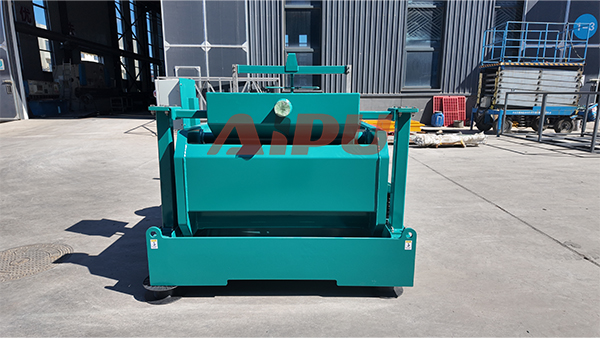
Step-by-Step Alignment Procedure
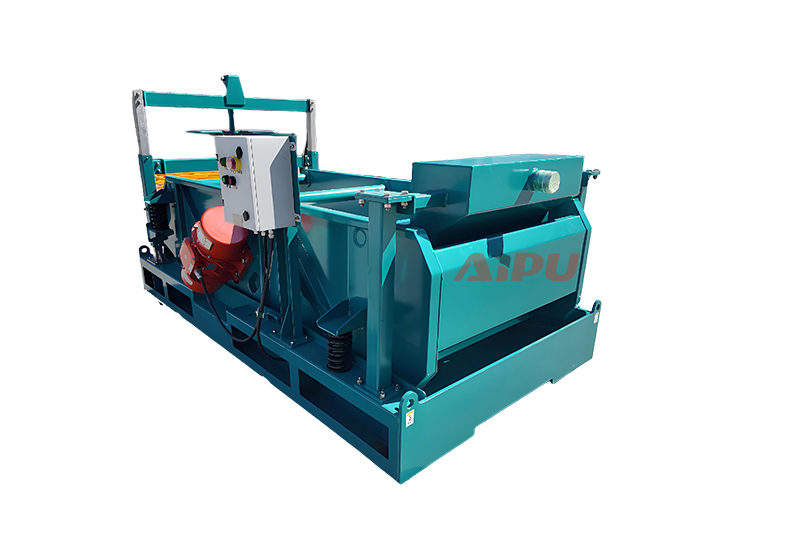
Begin by ensuring the shaker is completely shut down and locked out for safety. Thoroughly clean the bearing housing and surrounding areas to remove any debris or dried mud. Loosen the bearing lock collars slightly. Mount the dial indicator's base on a stable surface, positioning the probe against the shaft. Rotate the shaft slowly by hand and observe the dial indicator's reading; any significant runout indicates potential misalignment. For a more comprehensive check, use the straight edge and feeler gauges to inspect the parallelism between the motor and vibrator shafts.
Correcting Identified Misalignment
If misalignment is detected, adjustments are required. Carefully shim the motor or vibrator mounts as needed to bring the shafts into parallel. After making adjustments, re-tighten all mounting bolts to the manufacturer's specified torque using your torque wrench. It is crucial to re-check the alignment after tightening, as the process can sometimes shift the components. A final verification with the dial indicator confirms that the alignment is within acceptable tolerances.
Implementing a Preventative Maintenance Routine
Consistent checks are key to avoiding major problems. Establish a routine to inspect bearing alignment after every major screen change or at least every 500 operating hours. Documenting each check, including the measurements taken and any corrections made, helps track the equipment's health over time and can predict future maintenance needs, preventing unexpected failures.
For operators seeking reliable and durable solids control equipment, Aipu offers a robust range of shale shakers and replacement parts. Known for their precision engineering and commitment to quality, Aipu's products are designed to withstand the harsh conditions of drilling operations, ensuring optimal performance and reduced maintenance costs for your project.
Related Products