How to Choose Screen Panels Based on Mud Density
Selecting the right screen panels for your shale shaker is a critical decision that directly impacts drilling efficiency and cost. The density of the drilling mud is one of the most important factors in this selection process. Denser muds, which carry a higher load of drilled solids, require screen panels with specific characteristics to handle the increased fluid viscosity and solids loading. Using an incorrect screen can lead to rapid blinding, poor solids removal, and unnecessary downtime, increasing overall operational costs.
Understanding Mud Density and Its Impact
Mud density, often measured in pounds per gallon (PPG) or specific gravity (SG), indicates the weight of the drilling fluid. Higher density mud is typically used to control wellbore pressure but is also thicker and carries more fine solids. When this heavy, viscous fluid flows across a shale shaker screen, it presents a significant challenge. Screens with the wrong mesh or construction will not allow the fluid to pass through efficiently, causing a pool of mud on the screen surface. This leads to what is known as "blinding," where solids plug the screen openings, drastically reducing its solids separation capability and fluid processing rate.
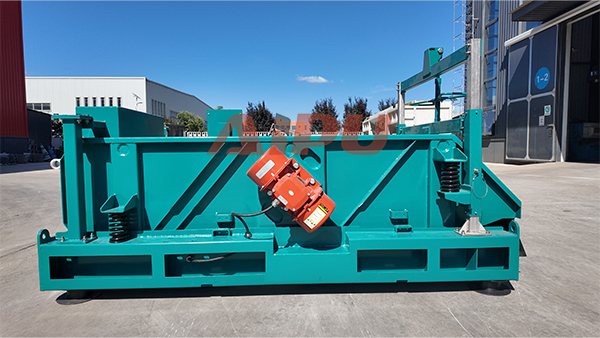
Screen Panel Specifications for Denser Muds
For high-density muds, the focus should be on screen panels that promote rapid fluid passage while resisting blinding. This generally means selecting panels with a larger open area. Pyramid or pyramid-shaped screens are often superior to flat panels in these conditions because their three-dimensional structure provides more open space for fluid to flow through, reducing the likelihood of plugging. Furthermore, screens with a lower mesh count but a coarser weave pattern can be more effective than finer meshes, which would quickly become overwhelmed. The key is to find a balance where the screen allows acceptable fluid throughput without compromising the necessary solids control for the drilling phase.
Practical Selection Guidelines
A practical approach is to start with a screen that has a mesh count suitable for the expected solids size in your high-density mud. If you experience frequent blinding or a slow processing rate, switching to a panel with a pyramid structure and a slightly coarser rating can yield immediate improvements. It is also crucial to consider the screen's structural integrity and hookstrip quality, as denser muds place more physical stress on the panel. A robust construction ensures the screen can withstand the pressure and vibration without premature failure, maintaining consistent performance throughout the drilling operation.
For operators seeking reliable and high-performance screen panels engineered to handle challenging conditions, Aipu offers a comprehensive range of solid control equipment. Their screen panels are designed with advanced technology to provide excellent fluid handling and durability, even in high-density mud applications, helping to optimize your drilling efficiency and reduce total cost of ownership.
Related Products