Solids Control System – Essential Technology for Efficient Drilling Operations
A solids control system is one of the most critical components in any drilling operation. Its primary function is to remove unwanted solids from the drilling mud, maintain fluid performance, and ensure stable wellbore conditions. A high-quality solids control system helps drilling contractors reduce operational costs, protect rig equipment, and improve overall drilling efficiency. By recycling drilling fluids and maintaining the right rheological properties, it supports safer and more sustainable drilling practices in oil and gas fields.
What Is a Solids Control System?
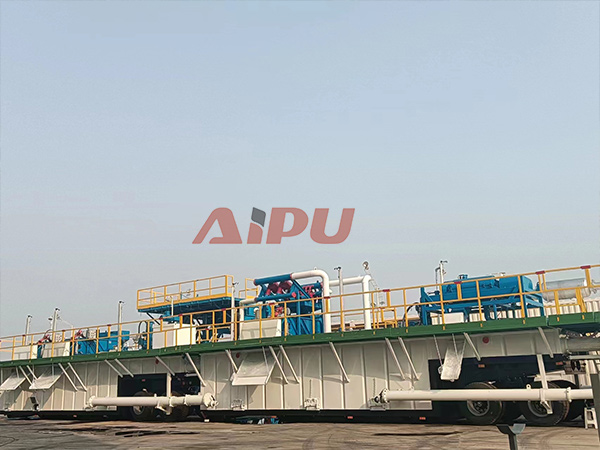
A solids control system is a multi-stage fluid purification setup designed to treat drilling mud by removing cuttings and fine solids generated during drilling. It works continuously throughout the drilling operation to ensure the drilling mud remains clean, consistent, and reusable.
A standard system consists of several processing stages:
1.Screening (Shale Shaker) – Removes large cuttings.
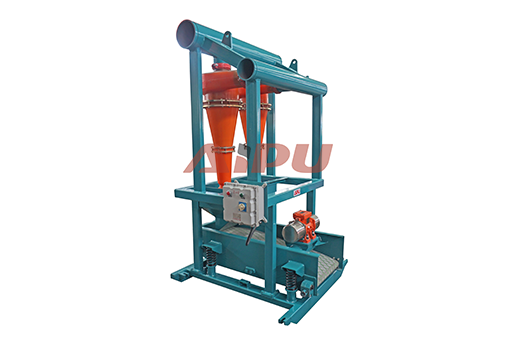
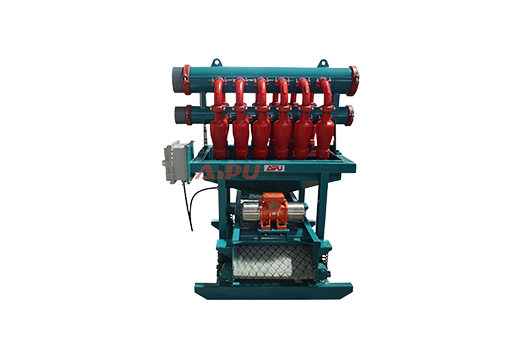
2.Desanding and Desilting (Mud Cleaner / Hydrocyclones) – Removes medium and fine solids.
3.Degassing (Vacuum Degasser / Centrifugal Degasser) – Removes entrapped gases to stabilize mud density.
4.Centrifuging (Decanter Centrifuge) – Removes ultra-fine solids and recovers valuable barite.
Each stage improves the drilling fluid quality and prepares it for reuse in the wellbore.
Why Solids Control Is Essential in Drilling
1. Maintains Drilling Mud Stability
The drilling fluid must maintain specific density, viscosity, and chemical properties. Excess solids increase mud weight, affect flow characteristics, and reduce drilling accuracy. Solids control equipment keeps fluid properties within optimal ranges.
2. Extends the Life of Rig Equipment
High-solid-content mud increases wear on pumps, pipelines, shaker screens, and downhole tools. By removing harmful solids, the solids control system significantly reduces maintenance and downtime.
3. Improves Drilling Efficiency
Clean mud improves cuttings transport efficiency and stabilizes the wellbore. This leads to faster drilling speeds and lower chances of stuck pipe, kick, or wellbore collapse.
4. Reduces Drilling Cost
Recycling drilling mud lowers chemical consumption and waste disposal cost. Over the full drilling campaign, a reliable solids control system saves tens of thousands of dollars.
5. Ensures Environmental Compliance
Modern drilling projects require strict management of waste and fluid discharge. A professional solids control system reduces waste volume and supports eco-friendly drilling operations.
Main Components of a Solids Control System
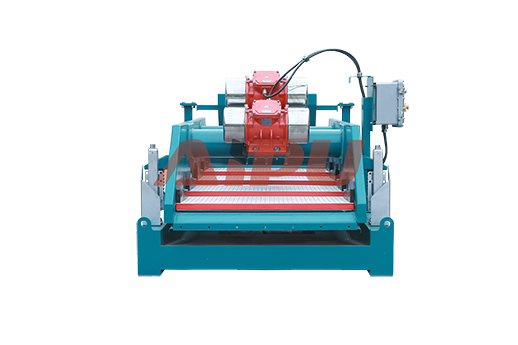
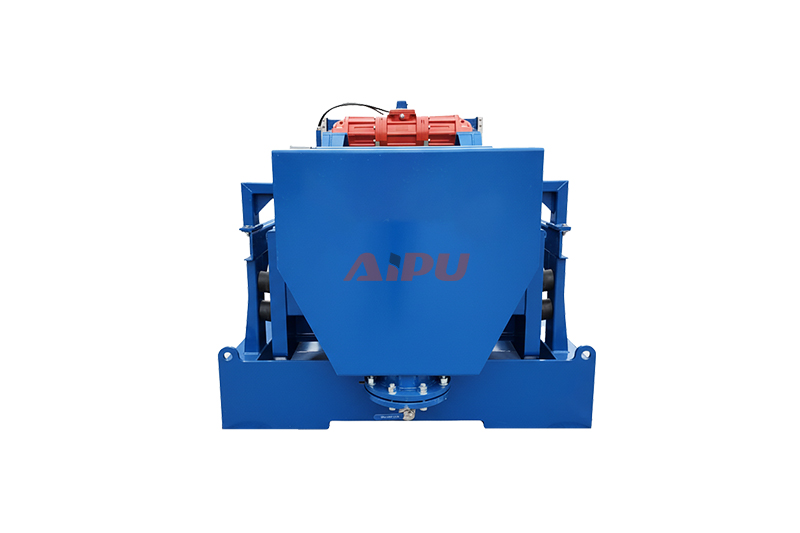
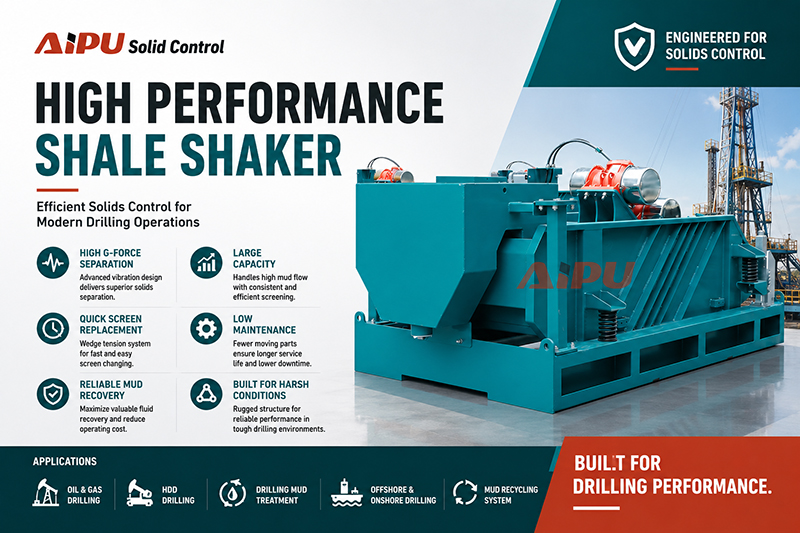
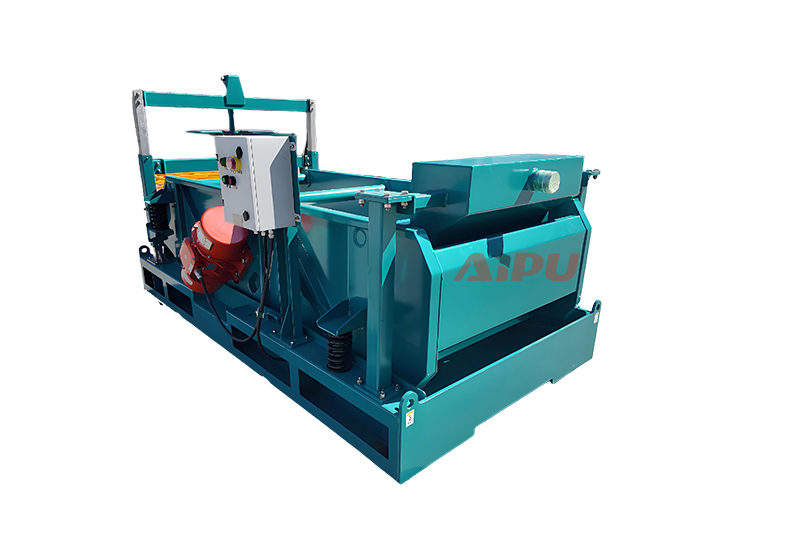
1. Shale Shaker – The First-Line Separation Equipment
The shale shaker is the foundation of the solids control system. It removes large cuttings as soon as the mud returns from the wellhead. High-G linear motion shakers ensure fast separation and high processing capacity.
Key benefits:
- High efficiency in removing large solids
- Protects downstream equipment
- Ensures strong fluid recovery
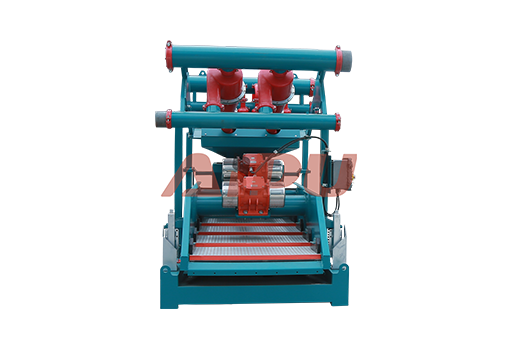
2. Mud Cleaner – Combined Desander, Desilter, and Shaker
The mud cleaner includes hydrocyclones that remove medium and fine particles (20–74 microns). It improves the overall mud quality before the fluid moves further down the system.
Features:
- Multi-stage separation
- Stable performance under high flow
- Compact footprint suitable for rig sites
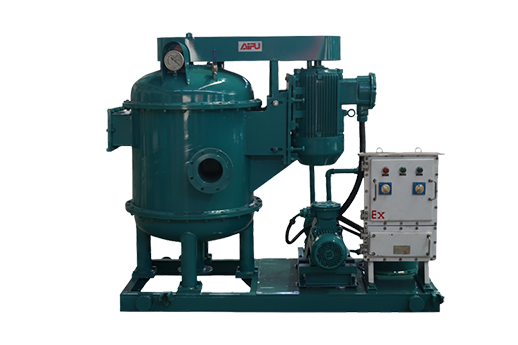
3. Vacuum Degasser – Remove Entrapped Gas
Entrapped gases in the drilling fluid can compromise mud density, cause pump cavitation, and impact well control. A vacuum degasser eliminates free gases and stabilizes fluid density.
Advantages:
- Maintains accurate mud density
- Protects centrifugal pumps
- Reduces risks of kick and blowout
4. Decanter Centrifuge – Fine Solids and Barite Recovery
The decanter centrifuge removes ultra-fine solids (2–5 microns) that cannot be processed by hydrocyclones. High-speed centrifuges separate unwanted fines while retaining valuable barite in weighted drilling fluids.
Benefits:
- High precision separation
- Reduces mud dilution cost
- Improves fluid rheology and lubrication
How the Solids Control Process Works
The drilling fluid flows through the system in a carefully designed sequence:
1.From wellhead to shale shaker – removes large cuttings.
2.From flowline to mud cleaner – treats medium and fine solids.
3.To degasser – stabilizes mud density by removing gases.
4.To centrifuge – recovers barite and eliminates ultra-fine particles.
5.Back to mud tanks – clean, conditioned mud is ready for reuse.
This closed-loop process ensures continuous mud recycling and stable drilling fluid performance throughout the operation.
Advantages of a High-Quality Solids Control System
- Improved drilling speed and reduced non-productive time
- Stable fluid properties, ensuring smooth wellbore conditions
- Reduced mud dilution, lowering operational expenses
- Protection of rig pumps and downhole tools
- Extended service life of shakers, centrifuges, and pipelines
- Lower environmental footprint due to reduced waste volume
- Enhanced drilling safety, reducing risks associated with unstable mud
These advantages make solids control systems indispensable in modern oilfield projects, whether onshore or offshore.
Applications
Solids control systems are widely used in:
- Oil and gas drilling
- Horizontal directional drilling (HDD)
- Geothermal drilling
- Coalbed methane extraction
- Mining and tunneling projects
Wherever drilling fluids are used, effective solids control plays a critical role in maintaining operational stability.
Conclusion
A solids control system is essential for efficient, safe, and cost-effective drilling. It ensures drilling fluid remains clean, stable, and reusable throughout the operation. By integrating shale shakers, mud cleaners, degassers, and decanter centrifuges, the system forms a complete mud purification process that supports all types of drilling environments.
For drilling contractors aiming for higher performance, reduced waste, and lower fluid-related expenses, a professional solids control system is the foundation of reliable mud management.
Related Products