Understanding the Function and Importance of a Modern Solids Control System
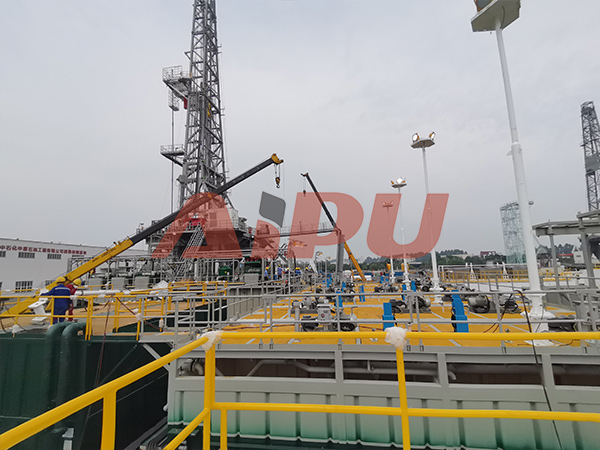
A solids control system is a critical part of drilling operations, designed to maintain drilling fluid quality and ensure efficient cuttings removal during the drilling process. Without proper solids control, drilling mud becomes overloaded with harmful particulates, which leads to faster equipment wear, unstable fluid properties, and increased drilling risks. A fully configured system enhances drilling performance, reduces waste, and supports safer wellbore conditions.
Core Purpose of a Solids Control System
The primary purpose of the system is to separate and remove drilled cuttings from the returning drilling mud. By maintaining optimal mud properties, the system protects downhole tools, supports effective circulation, and stabilizes the wellbore. Proper solids control reduces dilution cost and minimizes the environmental footprint by allowing more recycling and less disposal of mud.
Key Equipment in the System
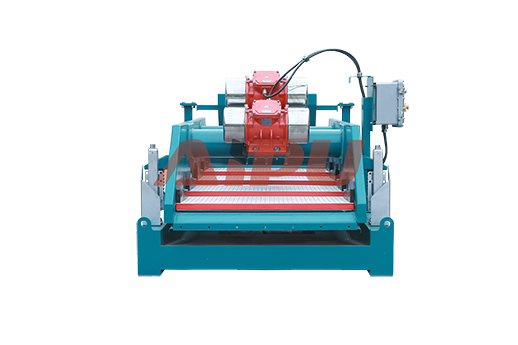
Shale Shaker
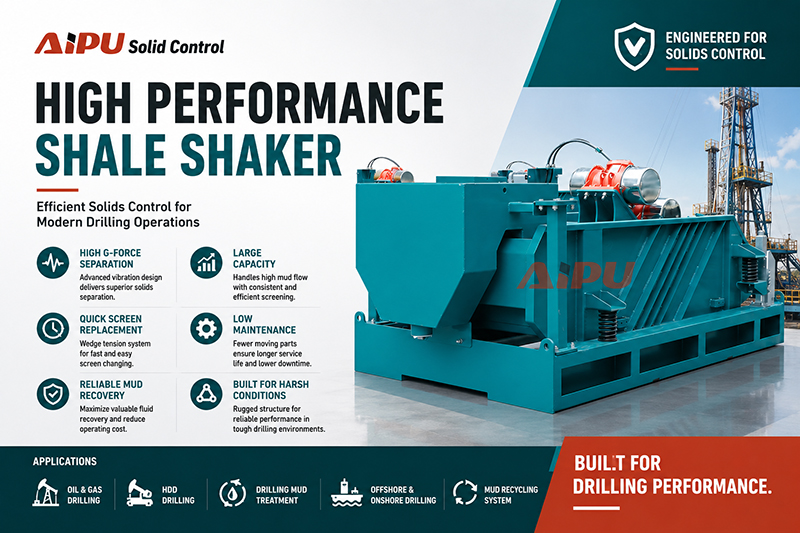
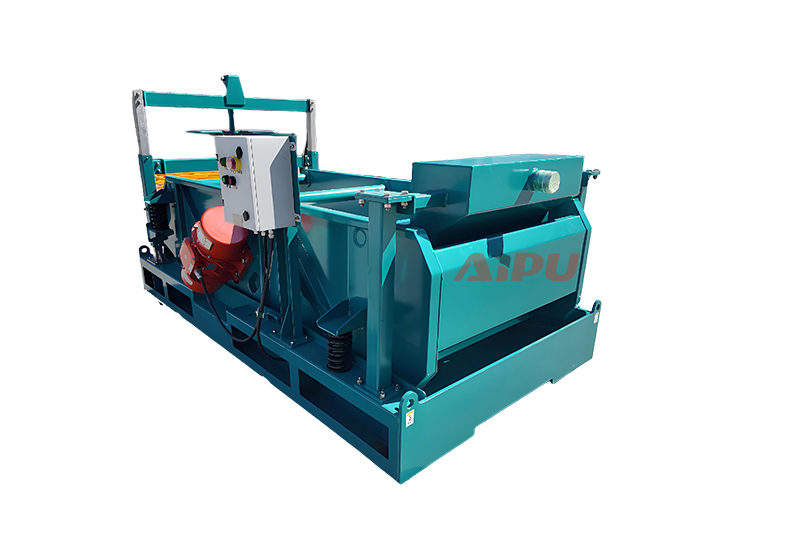
The shale shaker performs the first stage of separation. As the drilling fluid flows over high-tension screens, larger cuttings are removed immediately. This prevents coarse solids from entering downstream equipment and helps maintain fluid consistency. A high-G shaker improves fluid recovery and enhances throughput in demanding drilling environments.
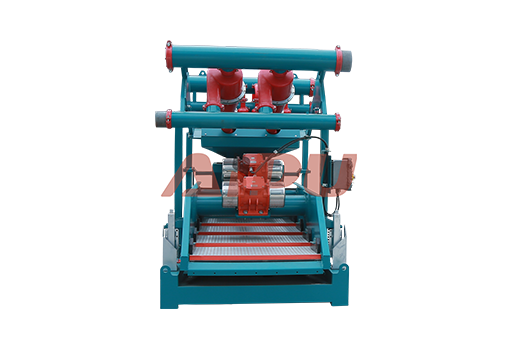
Mud Cleaner
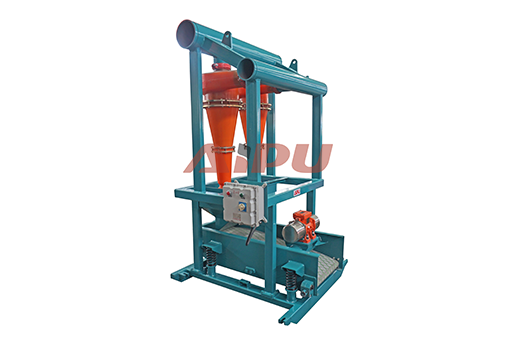
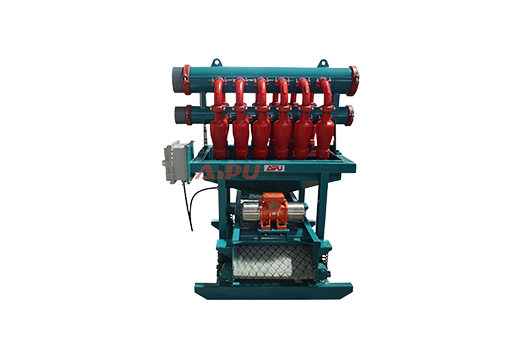
The mud cleaner combines hydrocyclone technology with a fine-screen shaker to remove medium and fine solids. It plays a critical role in stabilizing mud quality, especially during high-volume drilling. By removing particles in the 20–74 micron range, the mud cleaner keeps the fluid within proper density and viscosity limits.
Vacuum Degasser
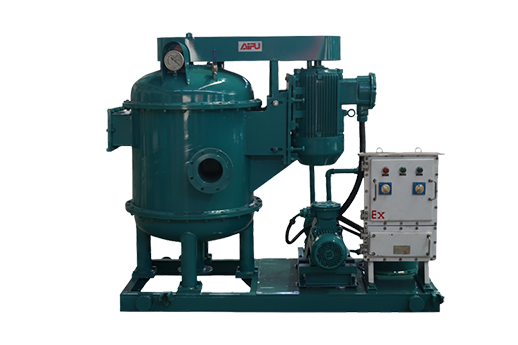
Entrained gas can severely affect drilling stability. A vacuum degasser removes free gas from the circulating mud, preventing issues such as foam, pump cavitation, and inaccurate mud weight readings. Stable density is crucial for well control and successful drilling performance.
Decanter Centrifuge
The centrifuge handles ultra-fine solids that cannot be separated by hydrocyclones. It creates high rotational force, enabling precise separation of low-micron particles and barite recovery. This makes the centrifuge essential in both weighted and non-weighted mud systems.
How the Solids Control System Improves Drilling Performance
Better Fluid Quality
Maintaining drilling fluid within designed specifications is key to stable drilling. Clean mud cools and lubricates the bit, enhances cuttings transport, and supports pressure control. A well-functioning solids control system keeps the mud clean, balanced, and consistent throughout the operation.
Lower Operational Costs
By recycling drilling mud, the system reduces the need for fresh chemicals and additives. This saves significant cost over the course of a drilling project. Additionally, cleaner mud reduces wear on pumps, screens, and lines, extending equipment lifespan and lowering maintenance expenses.
Enhanced Drilling Safety
Uncontrolled solids buildup can affect circulation, cause weight fluctuation, and increase the risk of stuck pipe or wellbore instability. Proper solids control maintains predictable mud performance, enhancing operational safety and reducing non-productive time.
Applications Across Different Drilling Projects
Solids control systems are widely deployed in oil and gas drilling, geothermal wells, mining operations, and trenchless construction such as horizontal directional drilling. Regardless of the drilling method, consistent mud quality ensures reliable wellbore stability and efficient fluid circulation.
Why a Professional Solids Control System Matters
A well-engineered system ensures maximum mud recovery, reduced waste, and stable drilling conditions. Each piece of equipment in the system works together to create a complete purification loop, delivering clean and conditioned mud back to the wellbore. This improves drilling performance, enhances safety, and reduces environmental impact.
Conclusion
Modern drilling operations require efficient and reliable solids control solutions. A professional solids control system plays a vital role in maintaining fluid quality, reducing costs, protecting drilling assets, and ensuring stable wellbore conditions. Investing in a high-performance system supports long-term operational success in diverse drilling environments.
Related Products