The Role of a Complete Solids Control System in Drilling Fluid Management
A solids control system is essential for maintaining drilling fluid quality and ensuring the safe, efficient progress of drilling operations. The drilling process generates significant volumes of solids, and without proper separation, these particles can degrade fluid performance and increase operational risks. A well-designed system filters, stabilizes, and recycles drilling mud, supporting continuous and reliable drilling performance.
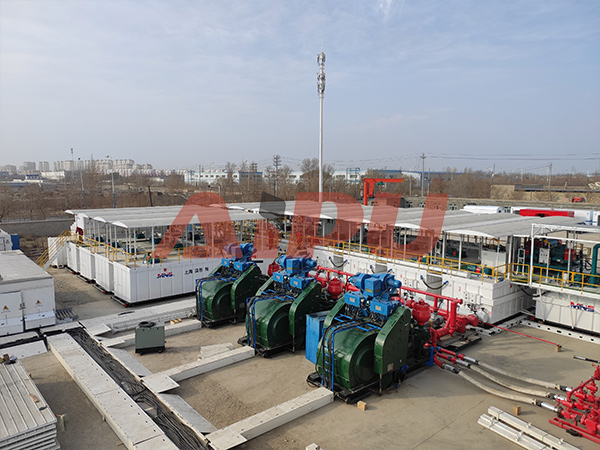
Main Objectives of Solids Control
The system is responsible for removing drilled cuttings, preserving fluid properties, and enabling reuse of drilling mud. These objectives help maintain stable wellbore conditions, enhance drilling efficiency, and reduce the environmental footprint. By managing solids content effectively, the system supports consistent circulation and reduces mud-related challenges.
Stages of the Solids Control Process
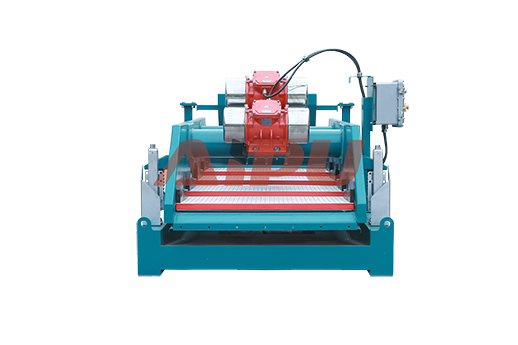
Stage 1: Shale Shaker Screening
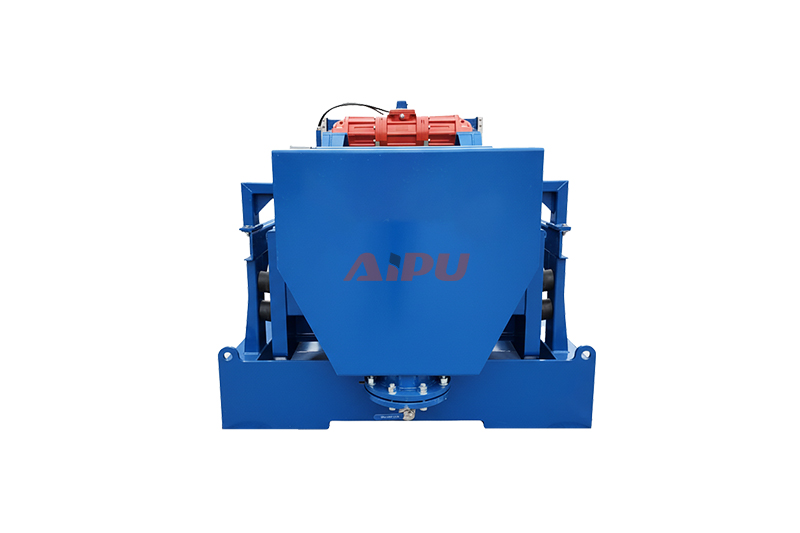
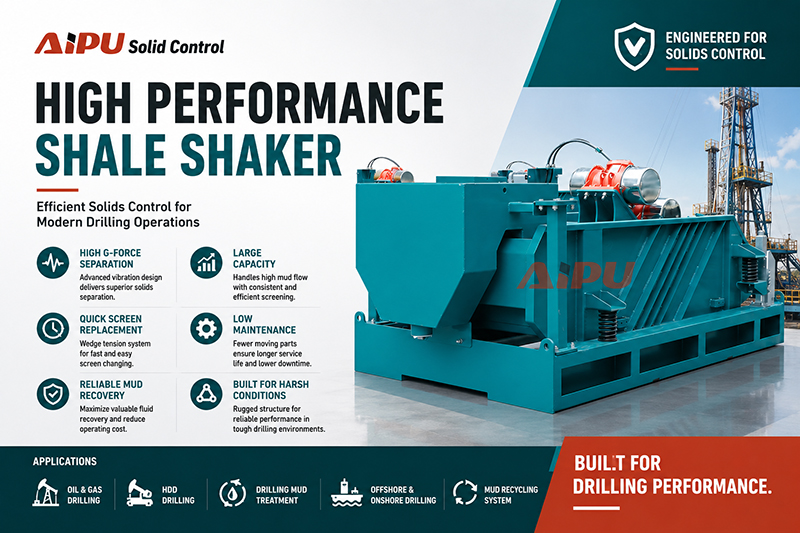
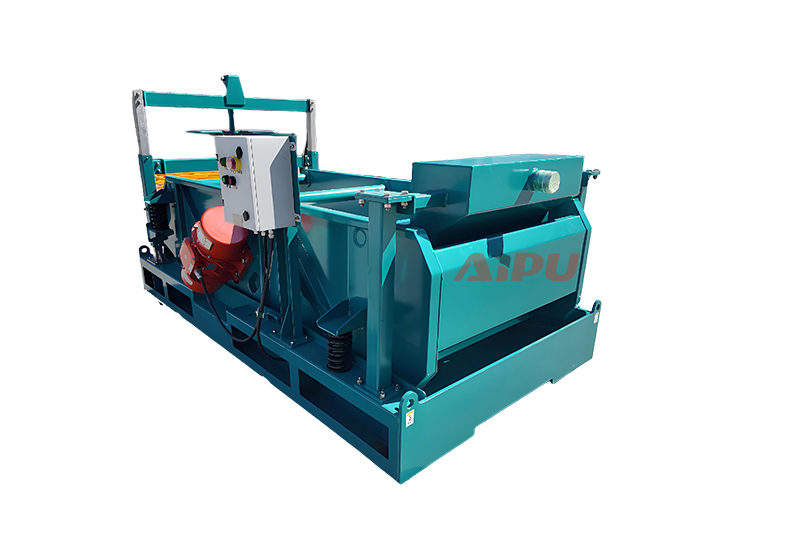
The shale shaker separates the largest cuttings immediately after the fluid leaves the well. High-speed vibration and precision screen design maximize fluid recovery while protecting downstream equipment from damage.
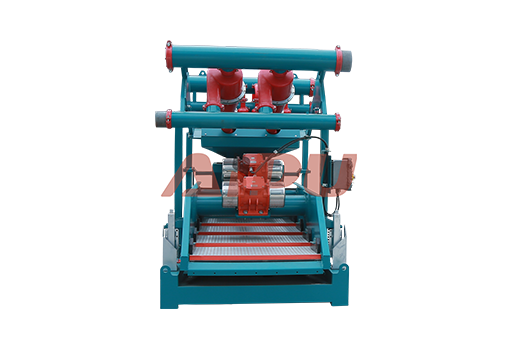
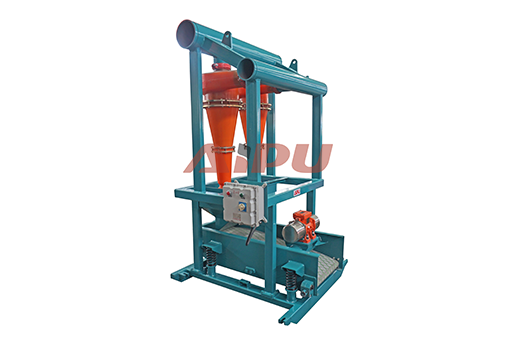
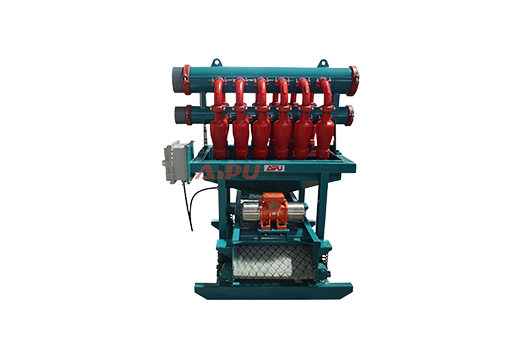
Stage 2: Hydrocyclone Separation
Desanders and desilters use centrifugal force to remove medium and fine solids. This step is essential for controlling mud density and preventing undesirable thickening that could hinder circulation or drilling efficiency.
Stage 3: Degassing
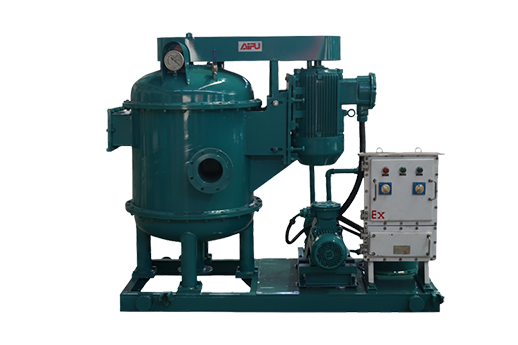
A vacuum degasser eliminates free gas, ensuring stable mud weight and reducing the risk of pump cavitation or inconsistent pressure readings. This enhances safety during drilling operations and supports proper well control.
Stage 4: Decanter Centrifuge Treatment
The centrifuge removes ultra-fine particles and recovers valuable weighting material when used in weighted mud systems. It ensures precision separation and keeps the mud at optimal rheological conditions.
Performance Benefits of a High-Quality Solids Control System
Improved Mud Efficiency
Cleaner drilling fluid enhances lubrication, heat transfer, and cuttings transport. Proper solids control ensures that the mud performs its intended functions effectively, leading to smoother and safer drilling progress.
Reduced Drilling Costs
Recycling drilling mud reduces the need for new additives and dilution materials. Cleaner mud also protects the rig’s mechanical components, reducing the frequency of maintenance and part replacement.
Enhanced Environmental Protection
Modern regulations demand responsible handling of drilling waste. A professional solids control system minimizes waste volume and ensures cleaner fluid discharge, supporting environmental compliance and reducing disposal costs.
Working Principles of a Closed-Loop Solids Control System
The drilling fluid returns to the surface carrying cuttings from the wellbore. It passes through the shale shaker, hydrocyclones, degasser, and centrifuge sequentially. At each stage, solids and contaminants are removed, and the conditioned fluid is stored in mud tanks. The clean mud is then pumped back into the wellbore for reuse. This continuous loop ensures uninterrupted drilling and consistent mud quality.
Suitability Across Different Operations
Solids control systems are used in onshore drilling rigs, offshore platforms, geothermal wells, water well drilling, and trenchless construction. Each project benefits from stable mud performance, lower cost, and improved drilling safety.
Importance in Modern Drilling Projects
The complexity of drilling environments today requires more advanced fluid management solutions. A high-efficiency solids control system supports wellbore stability, enhances drilling speed, and prevents many common drilling problems. It plays a decisive role in reducing risks and maintaining operational reliability.
Conclusion
Every drilling operation relies on clean, stable drilling fluids to achieve safe and efficient results. A solids control system enables precisely that by removing cuttings, recovering valuable material, and stabilizing fluid performance. It remains one of the most essential components of successful drilling operations and continues to help operators reduce cost and improve operational outcomes.
Related Products