Solids Control System for Efficient Drilling Fluid Management
Overview of Solids Control System and Its Role
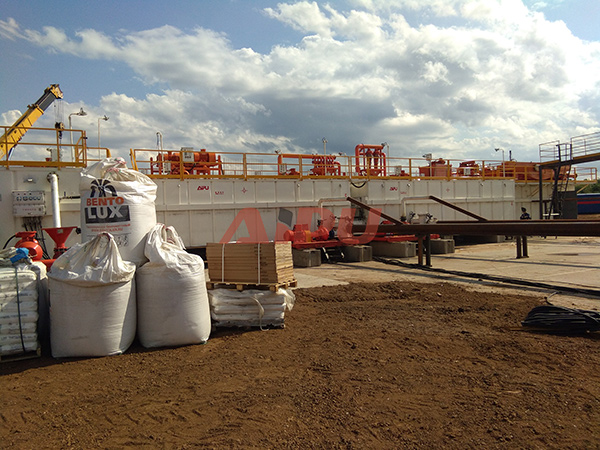
A solids control system is a sequence of equipment and process steps designed to remove drilled cuttings and unwanted particles from circulating drilling fluids. Maintaining correct solids content is essential to preserve mud rheology, control formation pressures, and protect surface and downhole equipment. A complete system reduces waste, lowers operating cost, and supports continuous drilling by returning cleaned fluid back to the mud tanks for reuse.
Primary Components and Their Function
Shale Shaker
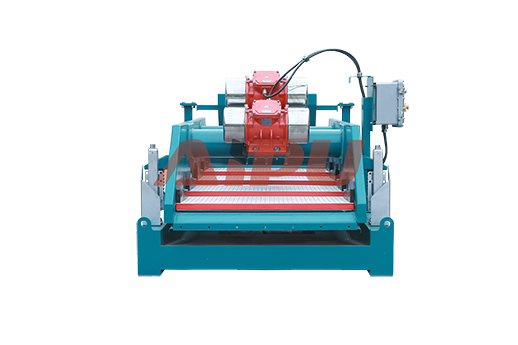
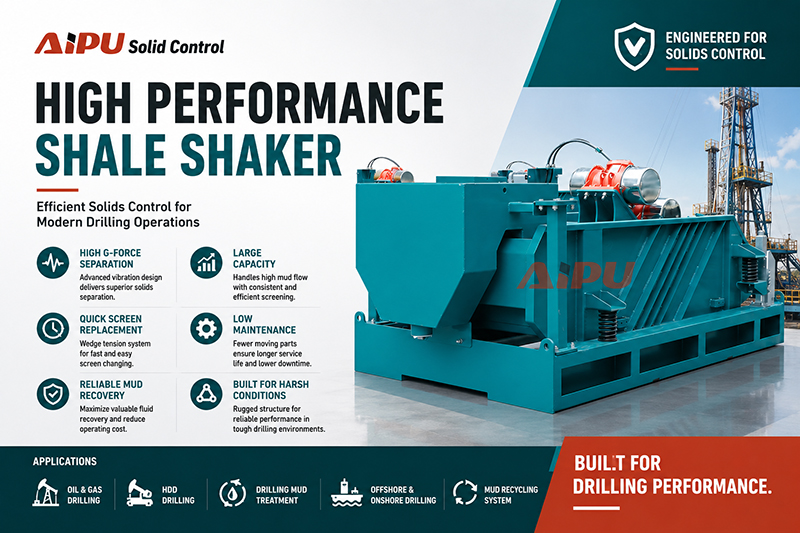
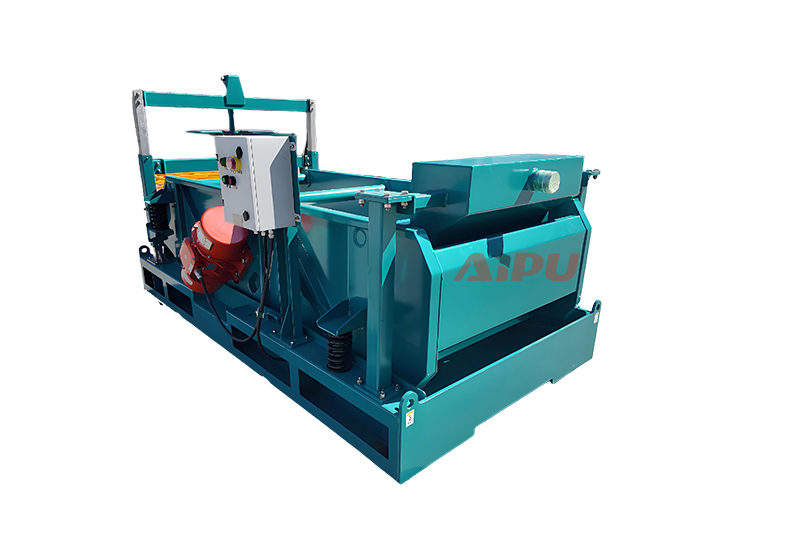
The shale shaker performs the first separation step. As drilling fluid passes over vibrating screens, large cuttings are screened out and discharged. This stage recovers the majority of base fluid, reduces load on downstream equipment, and ensures that only smaller particles move forward for finer separation.
Mud Cleaner (Desander & Desilter)
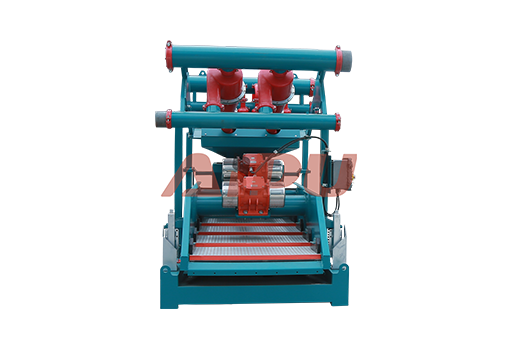
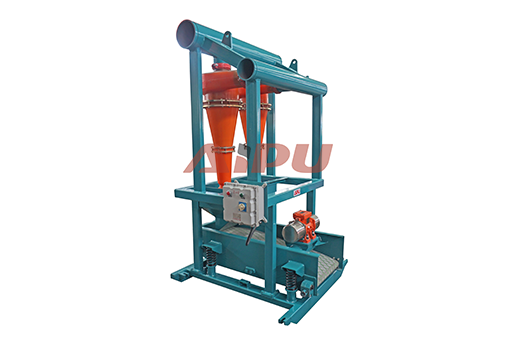
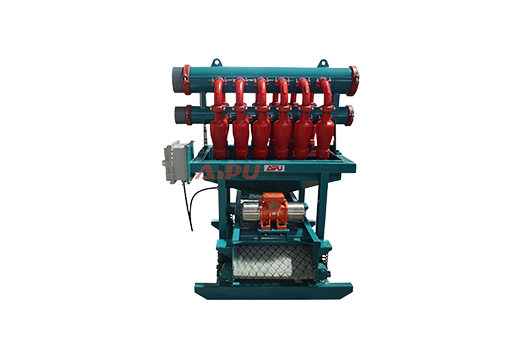
Mud cleaners combine hydrocyclone units with fine screening to remove medium and fine solids typically in the 20–74 micron range. By targeting these particles, the mud cleaner stabilizes density and minimizes viscosity changes that could hinder pump performance and drilling efficiency.
Degasser
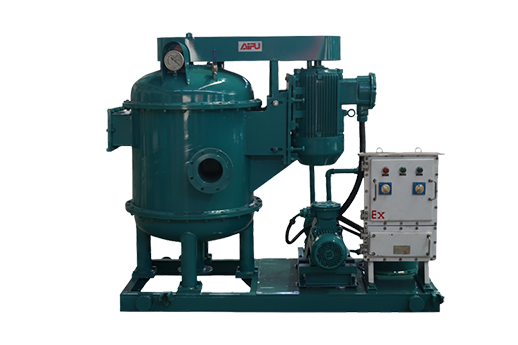
Degassing equipment—vacuum or centrifugal—extracts entrained free gas that can compromise mud weight readings and reduce pump efficiency. Removing gas early prevents foam formation and maintains predictable fluid weight for safer well control.
Decanter Centrifuge
The decanter centrifuge addresses ultra-fine solids that hydrocyclones cannot separate. Operating at high rotational speed, the centrifuge extracts fines down to low microns and recovers weighting materials. This improves fluid clarity, protects the bit, and reduces the need for dilution or fresh additives.
Process Flow and Operational Sequence
Drilling fluid returns to the surface carrying cuttings. It first passes through the shale shaker to remove large particles. Next, the fluid moves into mud cleaners where hydrocyclones remove medium and fine solids. Degassing follows to eliminate free gas. If necessary, the fluid is then processed by a decanter centrifuge for ultra-fine particle removal before returning to mud tanks. This ordered sequence ensures progressive purification and maximum fluid recovery.
Key Performance Benefits
1. Stable Fluid Properties: Removing solids maintains target density and viscosity for reliable drilling operations.
2. Reduced Equipment Wear: Lower solids content reduces abrasion on pumps, pipes, and tools.
3. Cost Savings: Recycling mud cuts down on new fluid purchases and disposal costs.
4. Improved Safety: Predictable mud behavior supports better well control and reduces non-productive time.
Operational Considerations and Best Practices
To achieve optimal performance, set and monitor cut points for each stage of separation, maintain screen and cyclone conditions, and schedule routine maintenance. Proper tank layout and flow management prevent short-circuiting and ensure even distribution across equipment. Training operators to interpret mud parameters and adjust equipment settings is essential for consistent results.
Suitability and Applications
Solids control systems are suitable for onshore and offshore drilling, horizontal directional drilling, geothermal wells, and similar operations where fluid reuse and cuttings management are required. The modular nature of modern systems allows customization for different rig sizes and project demands.
Conclusion
A well-designed solids control system provides a continuous, staged approach to remove solids from drilling fluids. It safeguards equipment, reduces operational costs, and supports stable drilling performance. Integrating shakers, mud cleaners, degassers, and centrifuges in a coordinated system delivers effective fluid management for diverse drilling environments.
Related Products