Advanced Solids Control System for Stable and Efficient Drilling Operations
A solids control system is a fundamental process in drilling operations, designed to maintain clean, stable drilling fluids that support wellbore stability. Through continuous separation and purification, the system ensures drilling mud retains the correct density, viscosity, and chemical balance required for efficient drilling. Properly designed and maintained solids control equipment reduces waste, protects rig components, and enhances overall operational performance.
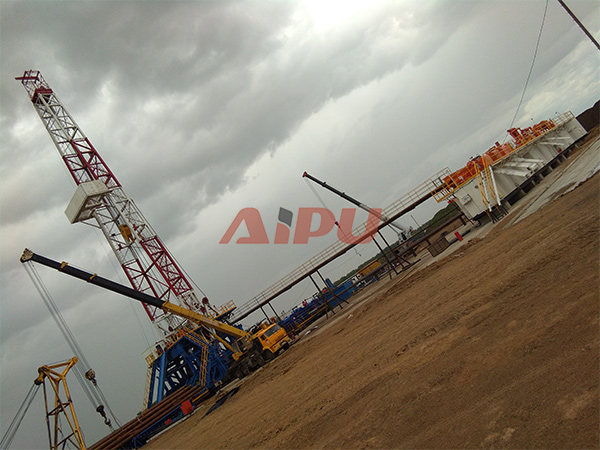
System Components and Their Functions
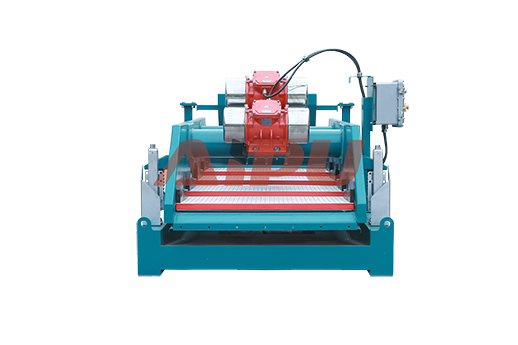
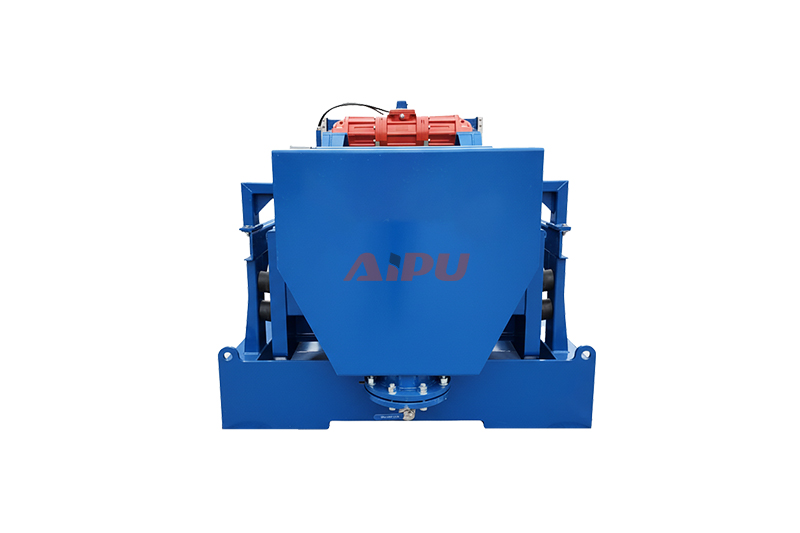
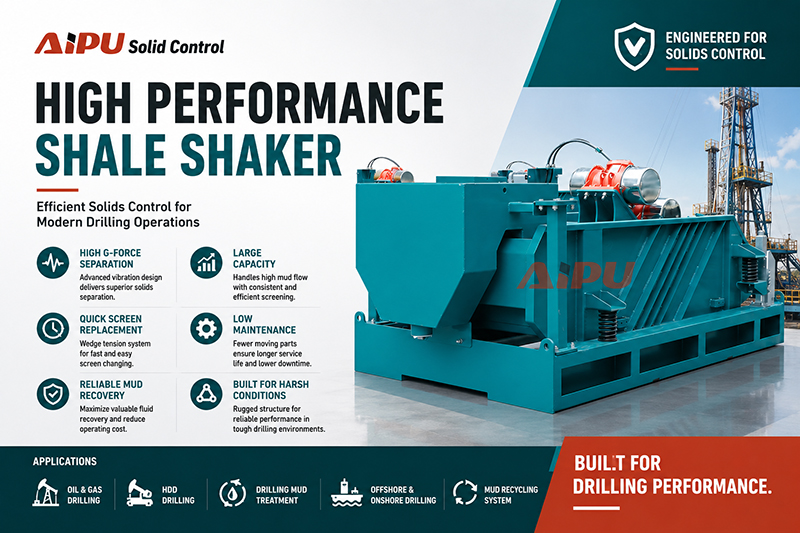
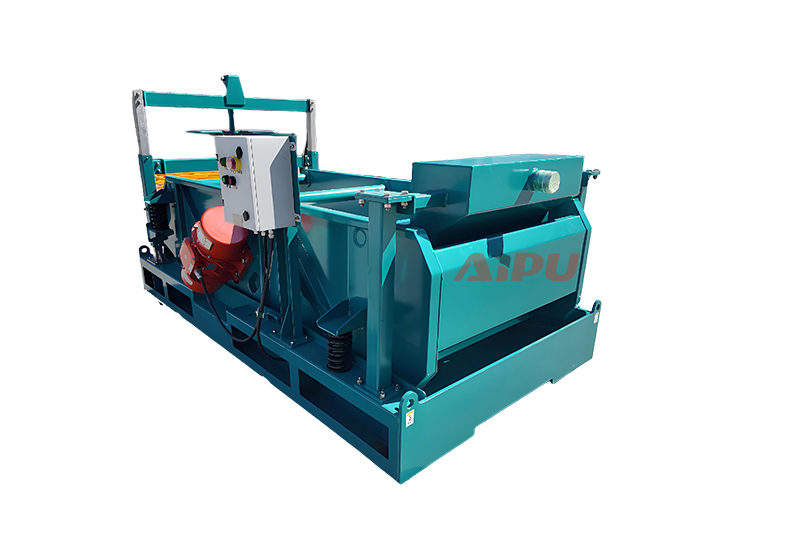
Shale Shaker: Primary Separation Stage
As the first processing stage, the shale shaker separates large particles from returning drilling mud. High-G linear motion shakers provide rapid, effective separation while preserving fluid for subsequent treatment. Screen mesh selection is critical, determining both large solids removal efficiency and valuable drilling fluid retention.
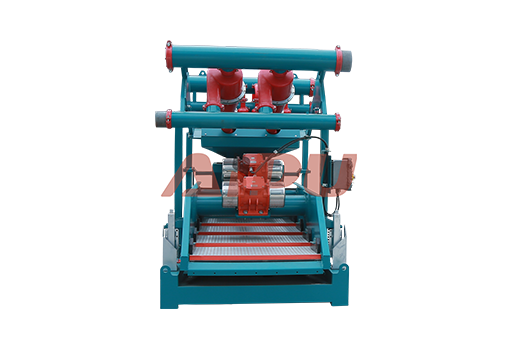
Mud Cleaner: Intermediate Particle Management
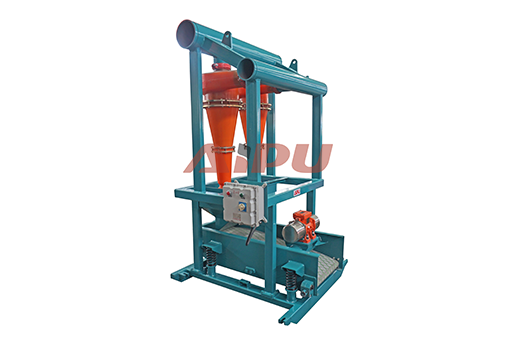
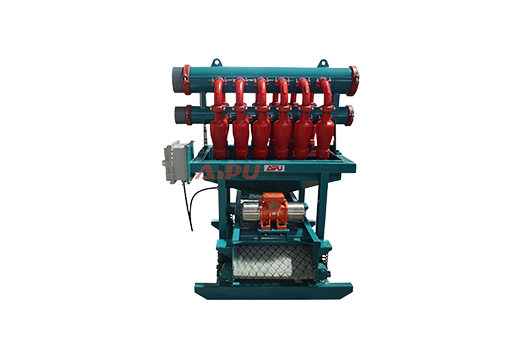
The mud cleaner handles medium and fine particles through a combination of desander cones, desilter cones, and fine-screen underflow shaker. Targeting solids in the 20-74 micron range, this stage controls mud density and prevents viscosity buildup that could impede drilling rates. Proper hydrocyclone operation maintains consistent fluid properties and reduces downstream centrifuge load.
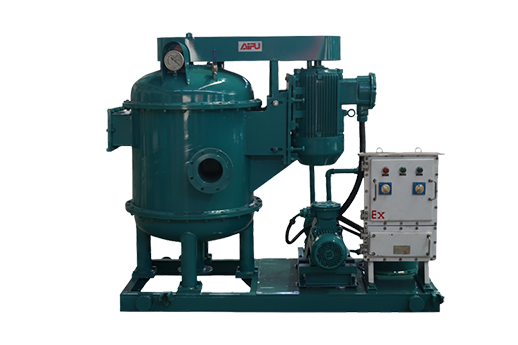
Vacuum Degasser: Gas Removal and Density Stabilization
Entrapped gases in drilling mud can cause erratic density readings, pump cavitation, and foaming. The vacuum degasser effectively removes free gas, stabilizing mud weight and ensuring smooth circulation. Consistent degassing is particularly crucial in gas-prone formations to maintain well control and prevent operational hazards.
Decanter Centrifuge: Precision Fine Solids Separation
The decanter centrifuge provides final-stage separation of ultra-fine solids beyond the capability of shakers and hydrocyclones. Through high-speed rotation, it removes particles down to low micron levels. This capability is especially valuable in weighted mud systems for barite concentration maintenance, recovering valuable weighting material while discarding harmful fine solids that adversely affect mud rheology.
System Benefits and Advantages
Operational Efficiency
• Maintains optimal drilling fluid properties
• Reduces consumption of additives and base mud
• Minimizes dilution requirements
• Decreases wear on mud pumps, pipelines, valves, and downhole tools
• Extends equipment service life
• Reduces maintenance-related downtime
Economic Advantages
• Lowers operational costs through fluid recycling
• Reduces new material consumption
• Decreases waste disposal expenses
• Improves overall drilling efficiency
Environmental Benefits
Modern drilling operations prioritize waste minimization and regulatory compliance. By maximizing mud recycling, the system:
• Reduces contaminated waste volume
• Supports environmentally responsible drilling practices
• Lowers waste transportation and treatment costs
System Optimization and Management
Design and Layout Considerations
System performance depends on proper:
• Equipment sizing and selection
• Mud tank design and configuration
• Flow sequence optimization
• Retention time management
• Equipment placement strategy
Operational Best Practices
• Maintain correct processing sequence to prevent short-circuiting or overloading
• Implement comprehensive operator training programs
• Regular adjustment of shakers, hydrocyclones, and centrifuges based on changing drilling conditions
• Continuous performance monitoring and optimization
Applications and Implementation
Solids control systems are essential across multiple industries:
• Oil and gas drilling
• Geothermal well construction
• Mining operations
• Trenchless construction
• Any operation requiring stable circulating fluids
The system maintains consistent performance across diverse applications:
• Deep well drilling
• High-pressure formations
• Complex directional drilling
• Various geological conditions
Conclusion
A high-quality solids control system significantly enhances drilling operations by maintaining clean, stable, and reusable drilling fluids. Through coordinated operation of shale shakers, mud cleaners, degassers, and centrifuges, the system delivers continuous purification, reduces operational costs, and improves overall safety and efficiency. As drilling challenges continue to evolve in complexity, effective solids control systems remain indispensable across all drilling applications, demonstrating growing importance in modern drilling operations.
Related Products