Modern Drilling Rigs Demand Advanced Solids Control Systems
Modern drilling operations require highly efficient, stable, and fully integrated solids control systems to maintain optimal drilling fluid properties and ensure operational safety. As drilling environments grow increasingly complex—encountering deeper formations, higher pressure zones, and extended-reach wells—the need for precision in mud treatment has become paramount. A modern solids control system must therefore deliver exceptional reliability, precise separation accuracy, and adaptability to various drilling fluid types.
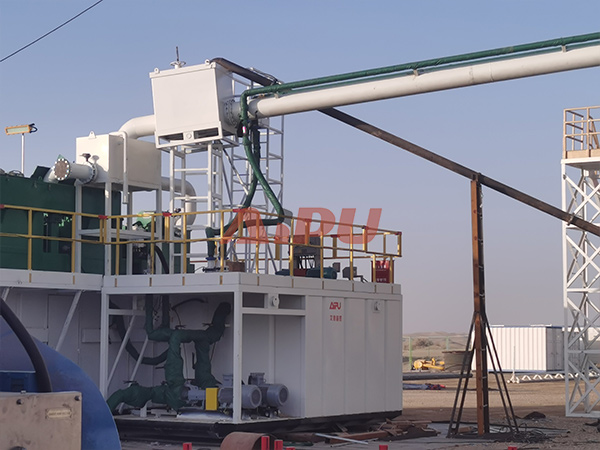
System Components and Their Critical Functions
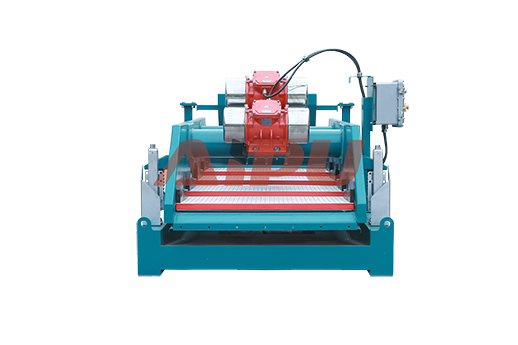
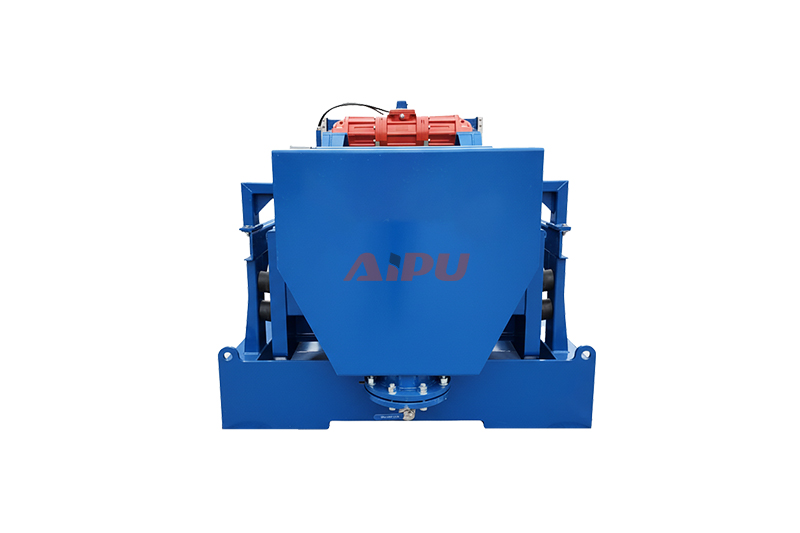
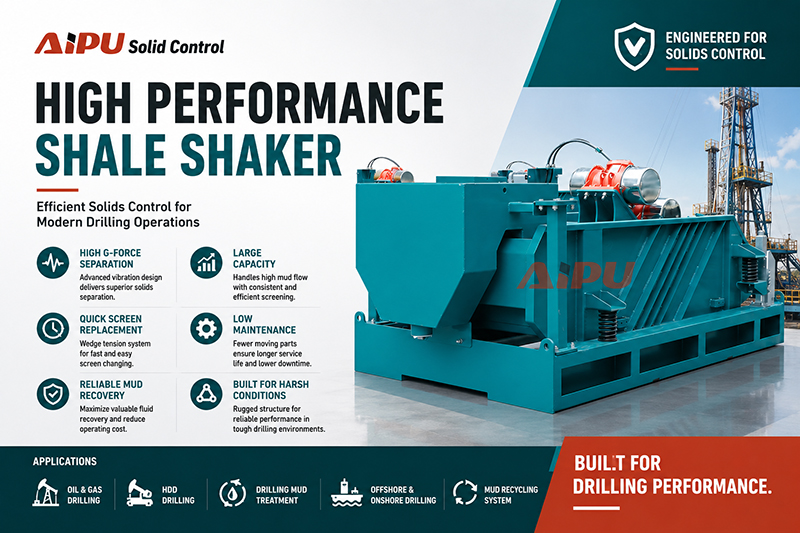
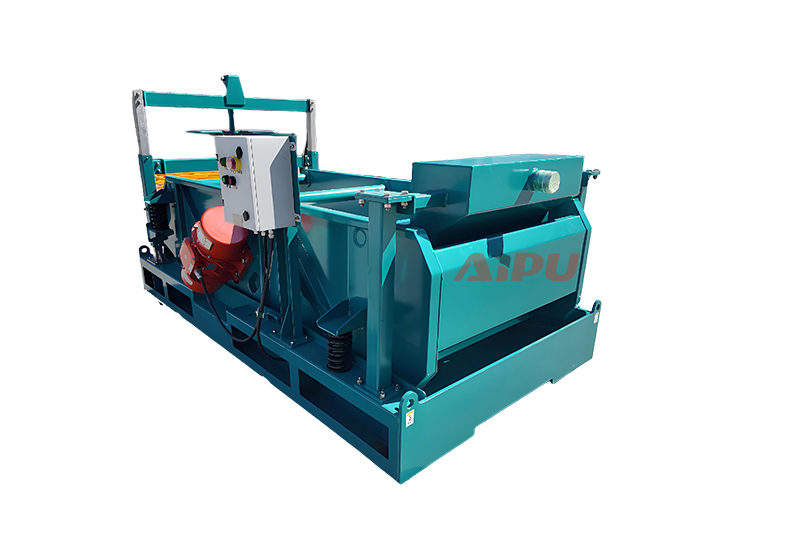
Primary Separation: Shale Shaker
As the first line of defense, the shale shaker initiates the solids removal process:
-
High-capacity units with advanced screen technology handle heavy flow rates
-
Optimized mesh designs enhance cuttings separation efficiency
-
Maximizes recoverable fluid volume
-
Performance directly impacts downstream equipment effectiveness
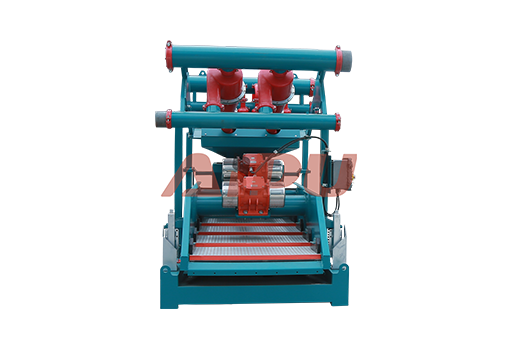
Secondary Processing: Mud Cleaner Assembly
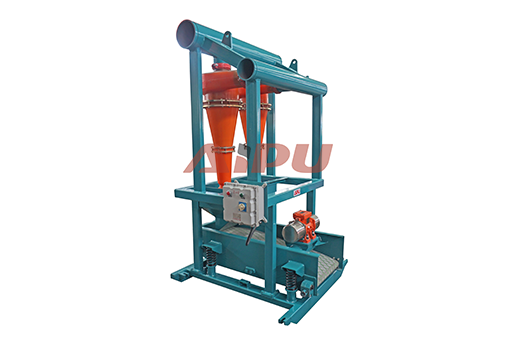
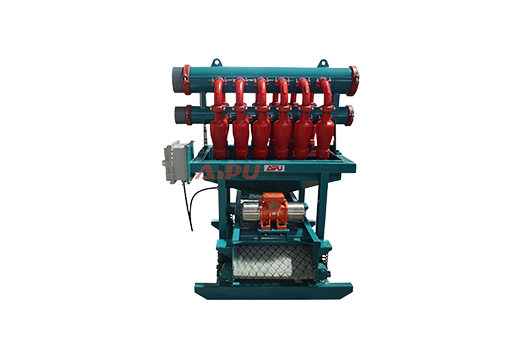
The integrated desander and desilter unit provides intermediate separation:
-
Hydrocyclones utilize centrifugal force for particle removal
-
Targets medium and fine particles to maintain ideal viscosity
-
Crucial for non-aqueous and oil-based fluid systems
-
Prevents excessive solids accumulation while preserving chemical balance
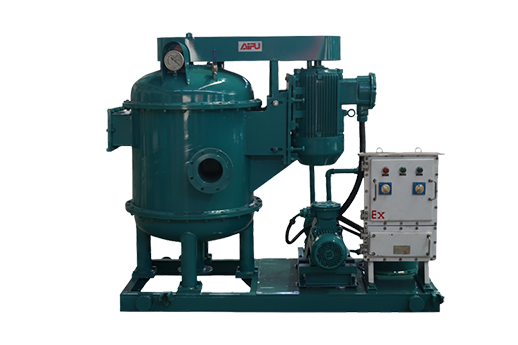
Gas Removal: Vacuum Degasser
Essential for maintaining fluid stability:
-
Eliminates dangerous density fluctuations caused by free gas
-
Ensures consistent hydrostatic pressure throughout the wellbore
-
Particularly vital in deep well applications with formation pressure variations
-
Prevents pump performance degradation
Final Stage Refinement: Decanter Centrifuge
Delivers ultra-fine solids control through:
-
Variable speed control capabilities
-
Advanced bowl geometry designs
-
High-volume processing capacity
-
Recovers valuable weighting materials
-
Maintains low-solids content for enhanced drilling efficiency
Operational and Environmental Advantages
System Intelligence and Maintenance
Modern systems incorporate:
-
Intelligent monitoring systems with flow sensors
-
Tank level control mechanisms
-
Real-time mud condition alarms
-
Optimized tank layouts ensuring proper residence time
-
Prevention of solids recirculation
Environmental Responsibility
Solid control systems contribute to sustainable operations through:
-
Significant waste volume reduction
-
Minimized mud loss
-
Safe handling of discharged materials
-
Compliance with stringent regulatory requirements
-
Reduced costs associated with mud consumption and waste disposal
System Requirements for Modern Drilling
A contemporary solids control system must provide:
-
High Separation Efficiency: Precision removal across particle sizes
-
Reliable Mud Conditioning: Consistent fluid property maintenance
-
Structural Durability: Robust construction for demanding environments
-
User-Friendly Operation: Intuitive controls and monitoring systems
-
Adaptive Performance: Compatibility with various drilling fluid types
Conclusion
Whether operating on land or offshore, drilling teams depend on advanced solids control systems to maintain stable mud properties, protect critical equipment, increase penetration rates, and ensure overall operational safety. The integration of shale shakers, mud cleaners, degassers, and centrifuges into a cohesive system represents a fundamental requirement for success in today's challenging drilling environments.
Related Products