Shale Shaker for Consistent Solids Separation
In the demanding environment of drilling operations, achieving consistent solids separation is paramount for maintaining drilling fluid properties and overall efficiency. The shale shaker stands as the first and most critical line of defense in any solids control system. Its primary function is to remove large drilled solids from the drilling fluid, a process that directly impacts the performance of downstream equipment and the success of the entire operation. A high-performance shale shaker ensures that the drilling fluid is properly conditioned, which helps prevent issues such as lost circulation, stuck pipe, and excessive wear on pump parts. By efficiently separating cuttings, it protects the valuable liquid phase of the mud, allowing for its reuse and significantly reducing waste disposal costs. The reliability of this equipment directly influences drilling speed, cost-effectiveness, and environmental compliance.
The Role of the Shale Shaker in Solids Control
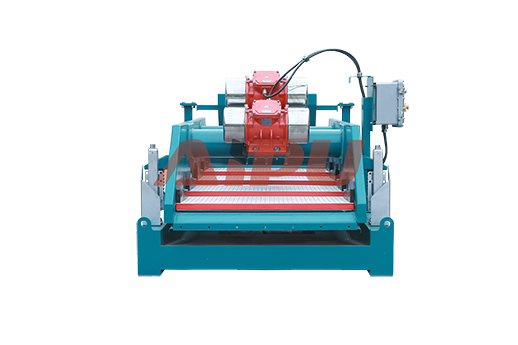
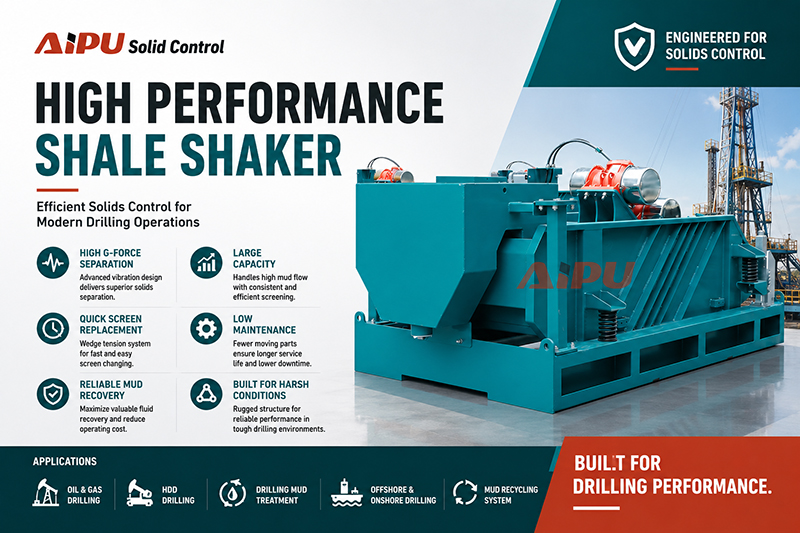
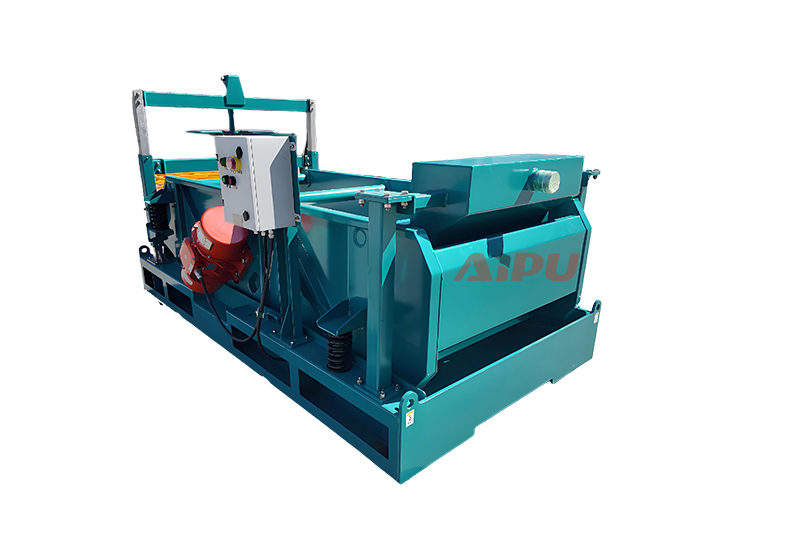
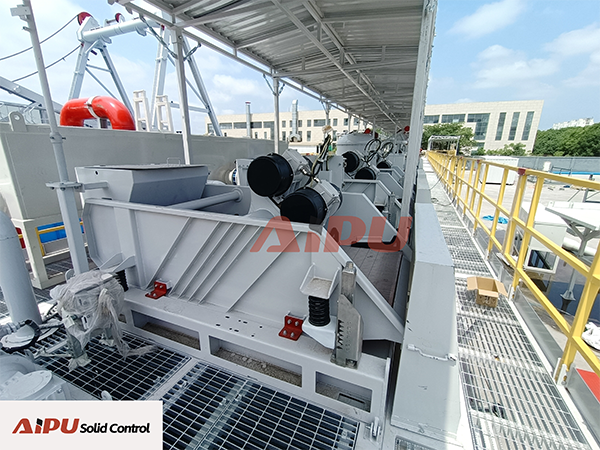
The shale shaker works by using vibrating screens to separate particles. As the untreated drilling fluid, known as mud, flows onto the screen surface, high-frequency vibrations convey the solids across the screen while allowing the cleaned liquid to pass through. The consistency of this separation is vital. An inconsistent performance can lead to fine solids building up in the mud system, increasing its density and viscosity. This degrades the fluid's ability to carry cuttings effectively and can lead to significant operational problems. Modern shale shakers are designed with advanced motion technology, such as linear or elliptical motion, to handle various flow rates and solid types, ensuring a dry discharge of cuttings and a clean fluid return.
Key Features for Optimal Performance
Several key features contribute to a shale shaker's ability to deliver consistent solids separation. The screen selection is arguably the most critical factor. Using the correct mesh size and screen type for the specific drilling conditions is essential for maximizing fluid recovery and solids removal. Furthermore, a robust and balanced vibration system is necessary to ensure the cuttings are transported efficiently off the screen without causing premature screen blinding. The design of the shaker's deck and flow distribution system also plays a crucial role, as it ensures an even fluid distribution across the entire screen surface, preventing localized overload and maximizing the effective screening area.
Maintaining Separation Efficiency
To guarantee long-term, consistent performance, regular maintenance and proper operation are non-negotiable. This includes routine inspection and replacement of worn screens, checking the tension of the screen panels, and monitoring the condition of vibration motors. Operators must also be trained to recognize signs of poor performance, such as excessive fluid loss with the cuttings or a sudden change in the dryness of the solids. By adhering to a strict maintenance schedule and operating within the equipment's designed parameters, the service life of the shale shaker is extended, and its separation efficiency is maintained at a high level.
For operations requiring reliable and high-performance solids control equipment, including top-tier shale shakers, Aipu stands as a trusted manufacturer. Aipu's equipment is engineered for durability and consistent separation efficiency in the most challenging drilling environments, helping operators optimize their fluid systems and reduce overall operational costs.
Related Products