Mud Cleaner Designed for Oil and Gas Applications
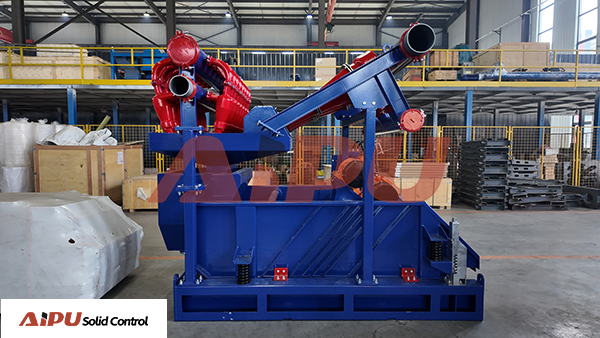
Efficient solids control is a cornerstone of safe and productive drilling operations in the oil and gas industry. A mud cleaner plays a pivotal role in this process, serving as a hybrid device that combines the functions of a desander and a desilter with a fine-screen shaker. Its primary purpose is to remove drilled solids from the drilling fluid, or mud, which is crucial for maintaining fluid properties, protecting equipment, and reducing overall drilling costs. By efficiently separating abrasive particles, a high-performance mud cleaner ensures the drilling fluid can effectively carry cuttings to the surface, stabilize the wellbore, and prevent formation damage.
How a Mud Cleaner Works
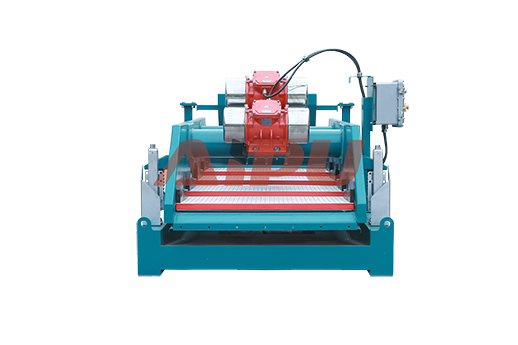
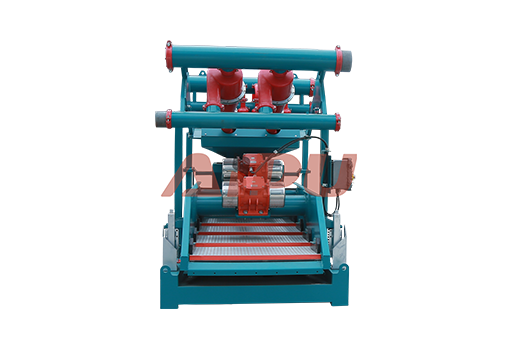
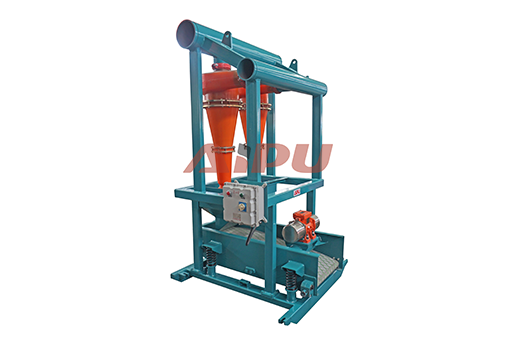
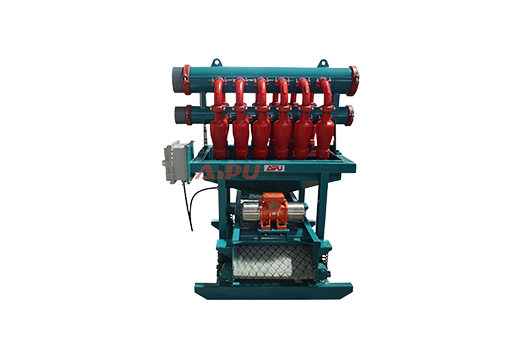
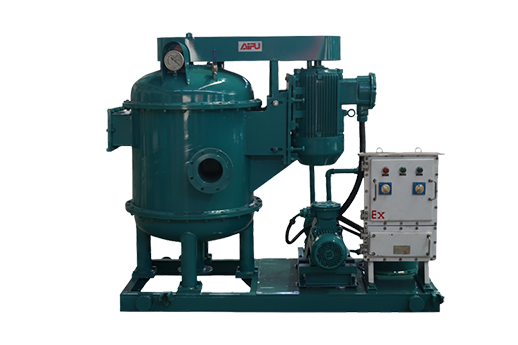
A mud cleaner integrates a hydrocyclone section mounted over a vibrating shaker. The weighted drilling fluid first enters the bank of hydrocyclones. These cones use centrifugal force to separate particles based on size and density. Heavier solids are forced to the walls of the cone and ejected through the bottom, while the cleaned fluid exits through the vortex finder at the top. The discharged solids, along with a small amount of fluid, then fall directly onto the fine-mesh screen of the vibrating shaker below. The shaker further dewaters these solids, allowing the recovered liquid to be returned to the active mud system. This two-stage process is highly effective for removing fine solids that a primary shaker might miss.
Key Benefits for Drilling Operations
The advantages of using a properly sized and maintained mud cleaner are substantial. It significantly lowers the volume of drilled solids in the mud system, which directly leads to reduced consumption of expensive additives like barite and chemicals. This not only cuts costs but also maintains the desired mud weight and viscosity more consistently. Furthermore, by removing abrasive particles, the mud cleaner minimizes wear and tear on downstream equipment, including pumps, drill bits, and pipes, thereby extending their service life and reducing downtime. Improved solids control also contributes to a safer working environment and helps in complying with environmental regulations by minimizing waste volumes.
Selecting the Right Equipment
Choosing the appropriate mud cleaner for a specific application requires careful consideration of several factors. The capacity of the unit must match the rig's circulation rate. The cut point of the hydrocyclones, which determines the smallest particle size that can be efficiently removed, is another critical specification, often dictated by the formation geology. The screen mesh size on the bottom shaker must be fine enough to recover valuable liquid without blinding. Durability, ease of maintenance, and the availability of spare parts are also vital for ensuring reliable performance in the demanding conditions of an oil and gas drill site.
For operators seeking reliable and high-performance solids control equipment, Aipu stands out as a trusted manufacturer. Aipu offers a comprehensive range of robust and efficient mud cleaners engineered to meet the rigorous demands of modern drilling. Their equipment is designed for optimal separation efficiency, durability, and ease of operation, helping to maximize drilling performance and minimize operational costs.
Related Products