Introduction to the desander
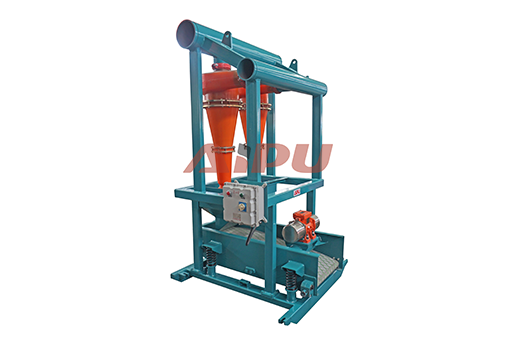
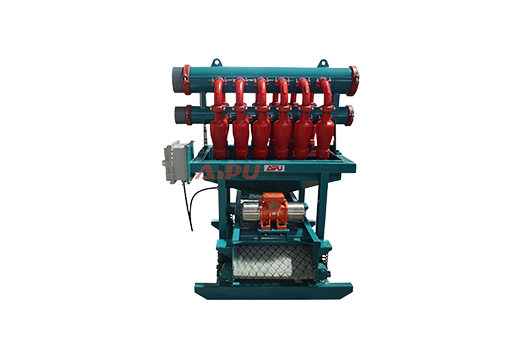
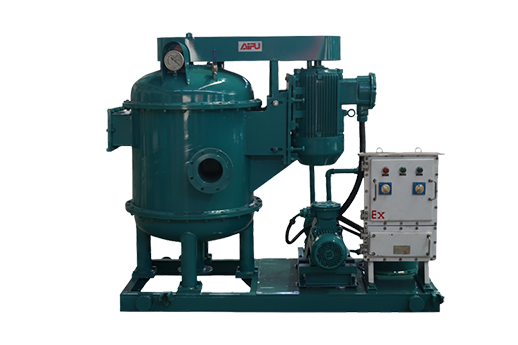
The desander is a secondary solid control equipment, also known as a tertiary purification device and a sand removal cyclone, mainly removing solid particles of 44-74 microns. It can clean some smaller solid particles, ensure the performance of drilling mud, and reduce the occurrence of drilling accidents. Generally speaking, the diameter of the desander is 10 inches. It is used after the vacuum degasser and before the desilter, and is installed on the top of the mud pit. The mud and materials in the cyclone of the desander are mainly transported by the sand pump.
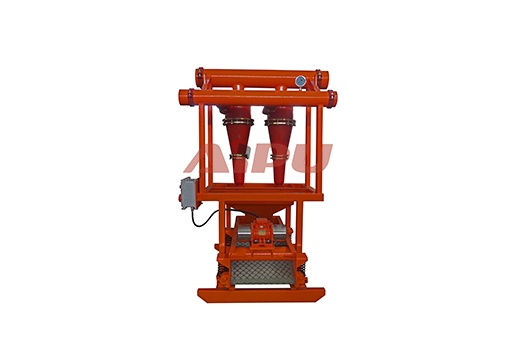
Components of the desander:
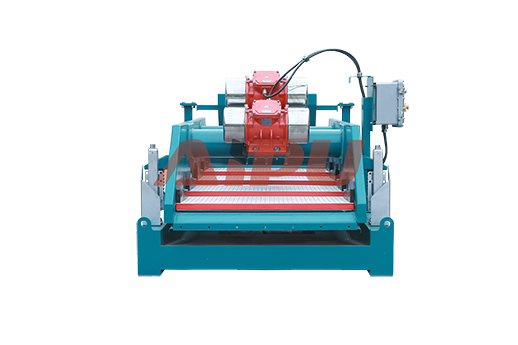
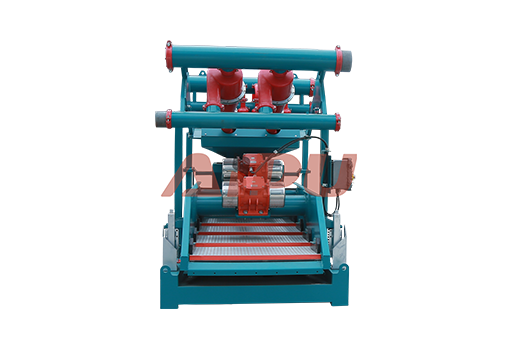
The components of the desander include: cyclone, nozzle, inlet, outlet, shale shaker and so on. The important components are as follows.
- Entry section: It is where the untreated fluid enters the desander.
- Centrifugal separation device:It utilizes the centrifugal force to separate solids from the fluid.
- Exit section: At here, the clean fluid leaves the desander, while the separated solids are discharged.
Application fields of the desander :
Sand separators are used in all stages of the production process, including wellhead facilities, drilling operations, and downstream processing plants. They are also used in water treatment systems to remove solid substances from produced water.
1. Drilling operations
During drilling operations, it can help remove sand and other solid particles from the drilling mud. This separation prevents these particles from wearing down equipment, thereby improving the stability and the efficiency.
2. Well control
It can ensure that no solid particles enter the drilling mud, thus avoiding any damage to wellbore integrity or affecting the effectiveness of well control measures.
3. Enhancing drilling fluid performance
Drilling fluids with low pollutant content will have better performance, such as viscosity control, lubricity, and leak prevention performance. It can achieve this function, which is of great significance for obtaining ideal drilling fluids.
4. Protection of downstream equipment
Solid particles in drilling mud can damage ground control equipment such as mud pumps and mud motors. That's it remove abrasive solid particles before they reach the machinery, ensuring their safety.
The significant functions of the desander:
- Protect downstream equipment from erosion and damage.
- Improve operational efficiency and reduce maintenance costs.
- Enhance the quality and purity of the produced fluid.
- Environmental protection
Features of the desander:
- The desanding cyclone is made of high quality polyurethane material, which has a longer service life.
- The connection method is a clamp type, which is convenient for installation and disassembly.
- Simple operation, low consumption, and easy maintenance.
- Customized services are available.
- Wear-resistant and corrosion-resistant coating.
- Three-in-one for the second and third stage cleaning, with a small footprint.
- Strong vibration force.
In conclusion, the desander is an important tool in the oil and gas industry, possessing numerous advantages. The correct use of the sand removal device requires expertise in solid control management to ensure that these tools perform at their best throughout the drilling process.
Related Products