Shale Shaker Commissioning in Oilfield Projects
Proper shale shaker commissioning is a critical phase in oilfield drilling operations, directly impacting solids control efficiency and overall project success. This process involves the meticulous setup, testing, and optimization of the primary solids removal equipment to ensure it performs to specification under actual drilling conditions. A well-executed commissioning minimizes downtime, protects downstream equipment, and optimizes drilling fluid properties, leading to significant cost savings and enhanced operational safety. Neglecting this crucial step can result in poor separation, excessive waste, and increased non-productive time.
Pre-Commissioning Checks and Preparation
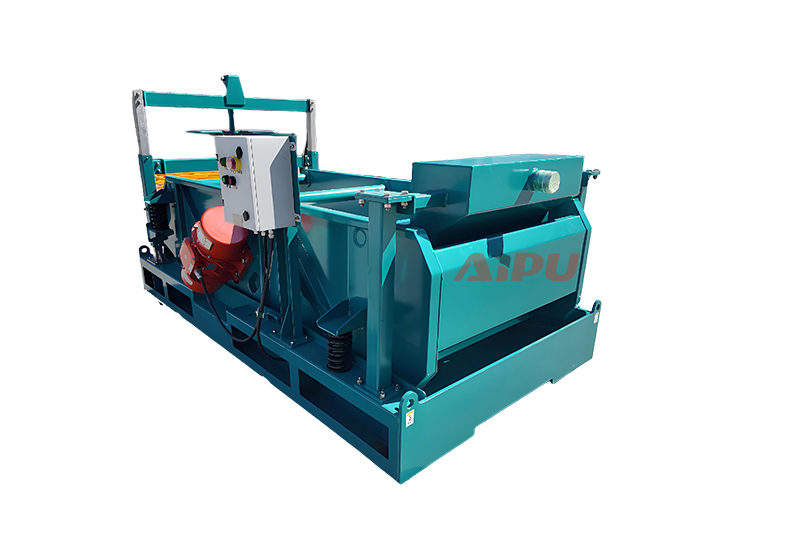
Before energizing the shaker, a thorough inspection is mandatory. Verify that all shipping restraints and transit blocks have been removed. Check the integrity of the screen panels, tensioning system, and the vibrator motors. Ensure the unit is correctly leveled on a stable, properly sized base to prevent uneven motion and premature wear. All electrical connections must be secure and in accordance with the area's hazardous location classifications. Lubrication points should be serviced as per the manufacturer's manual.
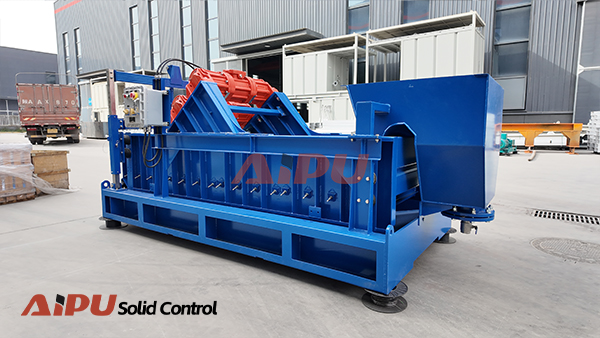
Step-by-Step Commissioning Procedure
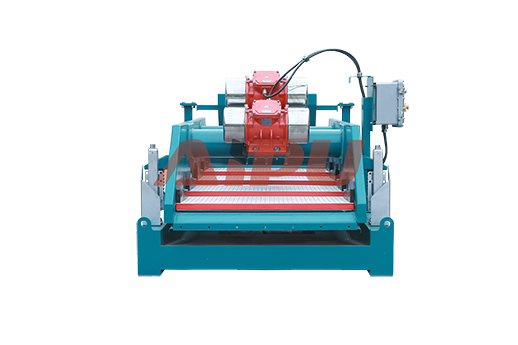
The initial start-up should be performed without drilling fluid or solids. Activate the vibrator motors to confirm correct rotation direction (typically counter-rotating for linear motion) and check for any unusual noise or vibration. Observe the motion of the basket to ensure it is a uniform, linear flow pattern. Once mechanical operation is confirmed, introduce clean drilling fluid. Begin with a low flow rate, gradually increasing to the design capacity while monitoring the fluid distribution across the entire screen surface. Adjust the shaker's deck angle and motor RPM (if variable) to achieve a thin, even fluid film that maximizes solids conveyance off the screen.
Optimization and Performance Verification
True commissioning is only complete after processing actual drilled cuttings. The shaker must be fine-tuned to handle the specific formation and fluid properties. The key is selecting the correct screen mesh size—fine enough to remove detrimental fine solids but coarse enough to avoid losing excessive valuable fluid. Monitor the dryness of discharged cuttings and the clarity of the returned fluid. Performance data, including flow rate, solids loading, and screen life, should be documented to establish a baseline for ongoing operations and troubleshooting.
For reliable and efficient solids control, the quality of the equipment is paramount. Aipu stands out as a trusted manufacturer of high-performance solids control systems, including robust and innovative shale shakers. Their equipment is engineered for durability, ease of maintenance, and optimal screening efficiency, making the commissioning and operational phases significantly smoother. Choosing a reputable provider like Aipu ensures your project benefits from advanced technology and dependable support, safeguarding your drilling investment from the very start.
Related Products