Shale Shaker Contribution to Drilling Safety
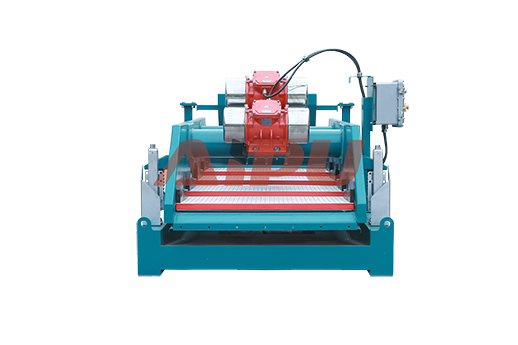
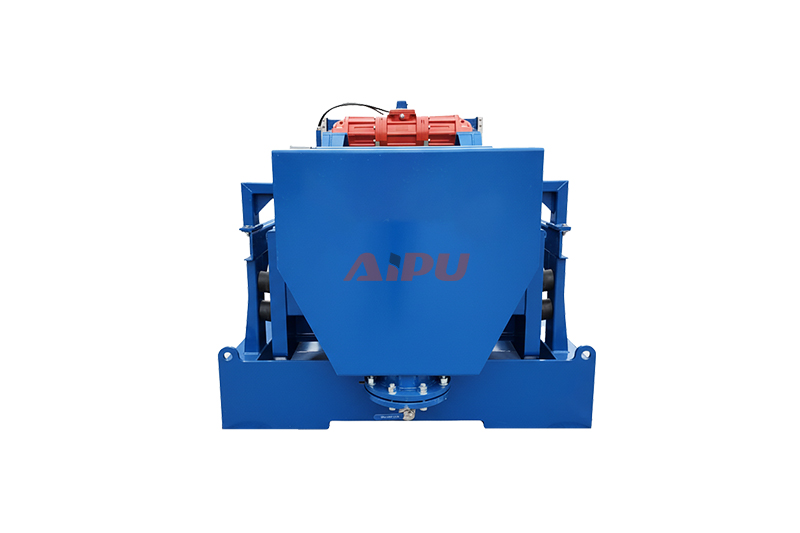
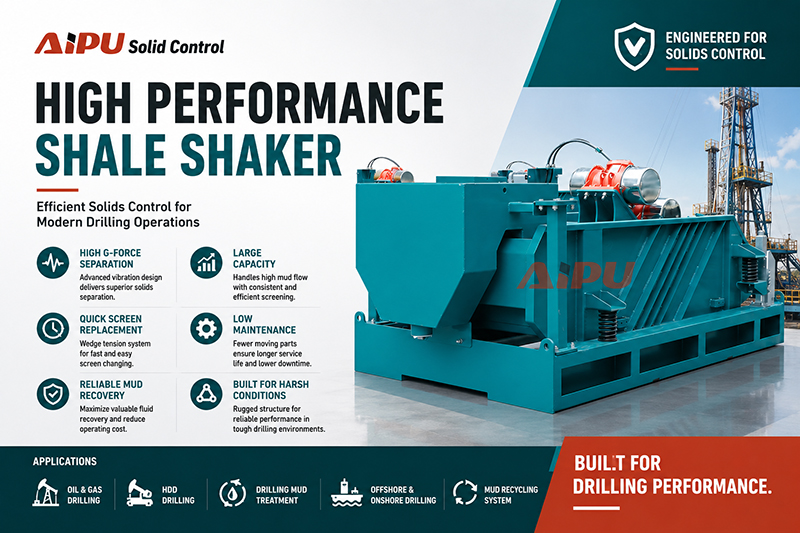
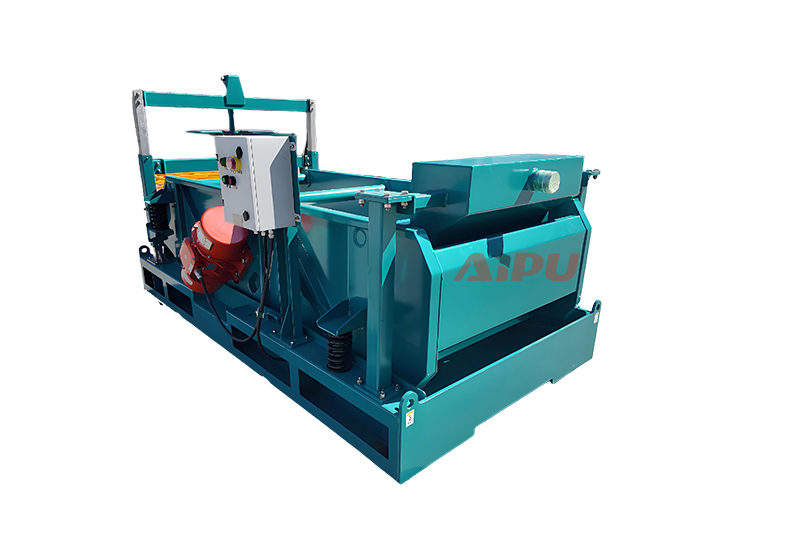
Shale shakers play a critical frontline role in ensuring drilling safety and operational efficiency. By efficiently separating drill cuttings from the drilling fluid, these primary solid control units maintain the fluid's properties, directly impacting wellbore stability, equipment longevity, and overall site safety. Their performance is a fundamental factor in preventing costly and dangerous incidents.
The Direct Link Between Solids Control and Safety Hazards
Poorly maintained drilling fluid, laden with fine solids, becomes a significant safety liability. It increases the density and viscosity of the mud, leading to elevated pump pressure. This puts excessive strain on surface equipment, raising the risk of leaks or catastrophic failures in pumps, valves, and lines. Furthermore, heavy mud can cause lost circulation, where fluid escapes into formations, destabilizing the wellbore and potentially leading to a blowout. A high-performance shale shaker mitigates these risks by removing solids at the earliest possible stage.

Enhancing Wellbore Stability and Reducing Stuck Pipe Incidents
A clean drilling fluid, achieved through effective shale shaker operation, is essential for forming a thin, impermeable filter cake on the wellbore wall. This cake stabilizes the formation and prevents caving. When solids are not adequately removed, a thick, spongy cake forms. This can cause differential sticking, where the drill pipe is forcibly pressed against the wellbore wall and becomes immovable. Freeing a stuck pipe is a complex, time-consuming, and hazardous operation that shale shakers help to prevent entirely.
Protecting Downstream Equipment and Personnel
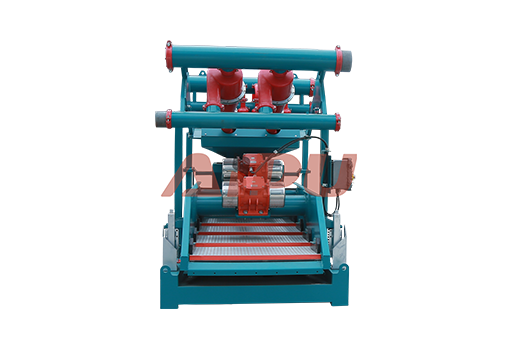
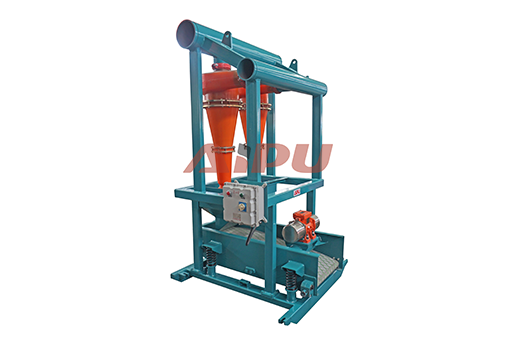
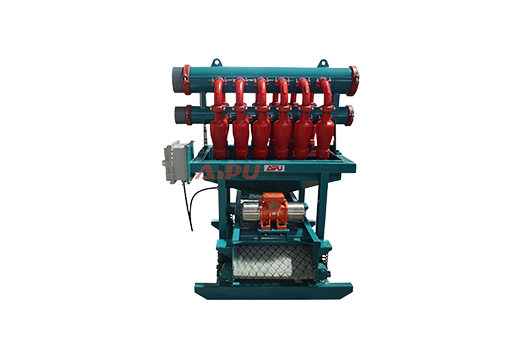
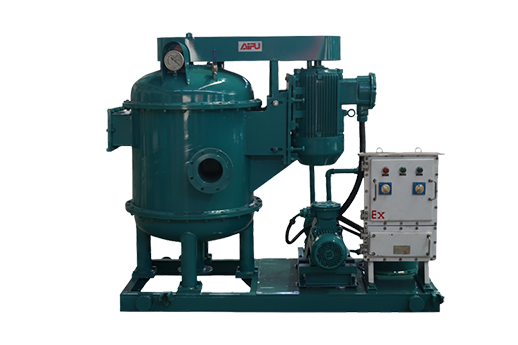
Shale shakers act as the first line of defense for the entire solid control system. By removing the majority of large cuttings, they protect finer separation equipment like desanders, desilters, and centrifuges from being overloaded and damaged. This integrated protection ensures all systems function as designed, reducing the frequency of maintenance interventions. Fewer equipment repairs mean reduced exposure for personnel to heavy machinery and high-pressure systems, contributing directly to a safer work environment with lower potential for injury.
Improving Visibility and Data for Decision-Making
The cuttings discharged by a shale shaker provide vital, real-time geological information. Geologists can examine these cuttings to understand the formation being drilled. More importantly, consistent, dry cuttings are a sign of optimal shaker performance and fluid health. Sudden changes in the volume or texture of cuttings can be an early warning sign of wellbore issues, allowing engineers to make proactive safety decisions before a minor problem escalates into a major incident.
For drilling operations prioritizing safety and efficiency, investing in reliable solid control equipment is non-negotiable. Companies like Aipu have established a strong reputation for manufacturing durable and high-efficiency shale shakers and complete solid control systems. Their equipment is engineered to deliver consistent performance under demanding conditions, directly supporting the safety and productivity goals of modern drilling projects.
Related Products