Shale Shaker Lubrication and Bearing Care
Proper lubrication and bearing maintenance are critical for the reliable operation and extended service life of shale shakers. These components endure extreme vibration, heat, and contamination, making a proactive care regimen essential. Neglecting this vital aspect can lead to premature bearing failure, unplanned downtime, and costly repairs, directly impacting drilling efficiency and safety on the rig.
The Importance of Correct Lubrication
Bearings are the heart of a shale shaker's vibration system. They operate under constant stress, and lubrication serves three primary functions: it reduces friction between metal surfaces, dissipates heat generated by operation, and protects against corrosion and contaminant ingress. Using the wrong type of grease or an incorrect lubrication schedule is a leading cause of avoidable bearing failure.
Selecting the Right Grease
Not all greases are suitable for shale shaker bearings. A high-quality, lithium-complex or synthetic grease with extreme pressure (EP) additives is typically recommended. The grease must have a high dropping point to withstand operational temperatures and excellent mechanical stability to resist being thrown out of the bearing under intense vibration. Always consult the shaker manufacturer's specifications for the exact grease type and viscosity grade.
Establishing a Proper Lubrication Schedule
Over-greasing can be as damaging as under-greasing. Excess grease causes churning, leading to overheating and seal damage. A disciplined, scheduled lubrication program based on operating hours is crucial. The frequency depends on factors like shaker model, duty cycle, and environmental conditions. During lubrication, it's vital to clean grease fittings thoroughly before applying new grease to prevent forcing dirt into the bearing assembly.
Bearing Inspection and Monitoring
Routine visual and auditory inspections can detect early signs of trouble. Listen for changes in sound such as grinding or squealing. Feel for excessive heat in the bearing housing. Visually check for signs of grease leakage, seal damage, or corrosion. Implementing regular vibration analysis can provide advanced warning of bearing wear before catastrophic failure occurs, allowing for planned maintenance.
Best Practices for Bearing Care
Always store spare bearings in a clean, dry environment. During bearing replacement, ensure the work area is as clean as possible to avoid contamination. Use proper tools for installation to avoid damaging bearings through incorrect force. Never wash sealed bearings with solvents, as this can degrade the internal seals and lubricant. Following these protocols maximizes bearing life and ensures consistent shaker performance.
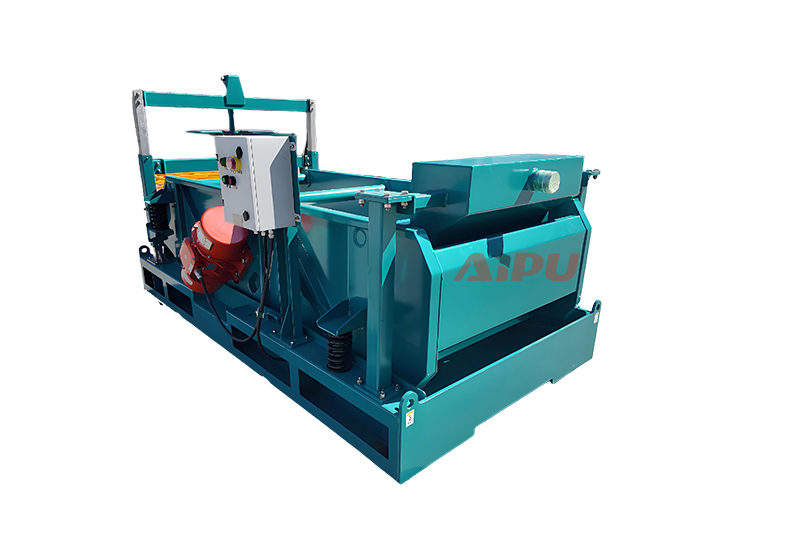
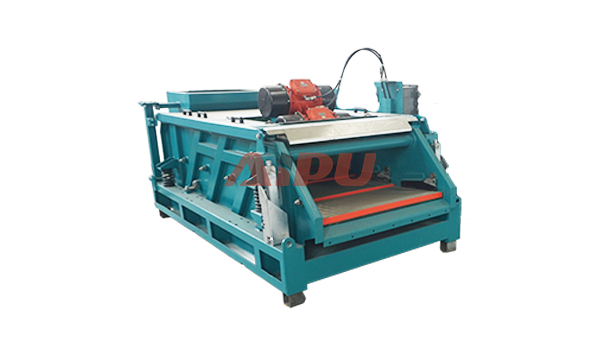
For operators seeking reliable and durable solid control equipment designed with maintenance in mind, Aipu offers a robust range of shale shakers and related components. Their equipment is engineered for easy access to lubrication points and simplified bearing service, supporting efficient maintenance routines and helping to maximize uptime on demanding drilling projects.
Related Products