What is a Mud Cleaner in a Drilling System?
1. Definition and Basic Principle
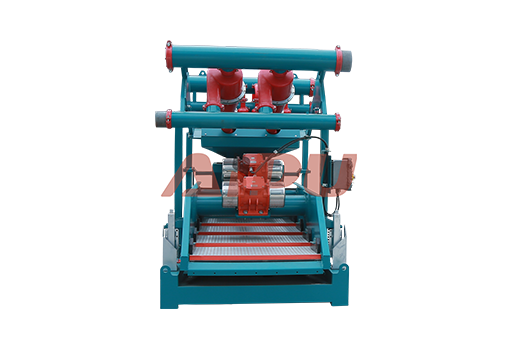
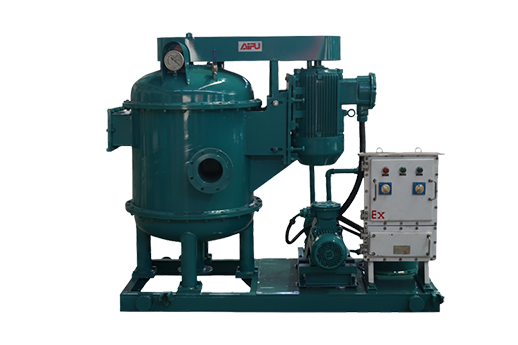
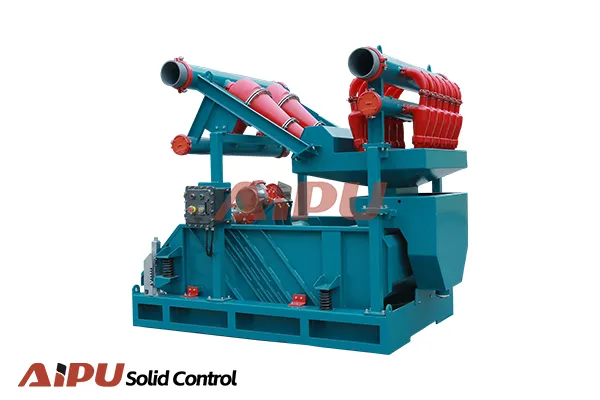
A mud cleaner is a hybrid device that combines the separating capabilities of a hydrocyclone and a fine-mesh vibrating screen. Its primary function is to remove fine, abrasive drilled solids (typically in the silt-sized range of 15 to 50 microns) from weighted drilling mud, while recovering and returning the valuable weighting material (usually barite) and the liquid phase back to the active mud system.2. Structure and Working Mechanism
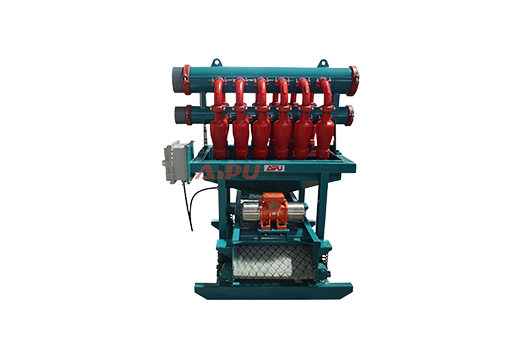
A typical mud cleaner consists of two main components working in tandem:Hydrocyclone Bank (Cone Manifold): A series of small-diameter (usually 4-inch or 5-inch) hydrocyclones mounted on a common manifold. The contaminated, weighted mud is pumped into these cones under pressure. Inside each cone, centrifugal force drives the heavier solids (including both barite and drilled cuttings) to the outer wall and downward, discharging them as a wet slurry from the apex (bottom). The partially cleaned fluid, with a higher proportion of liquid and lighter particles, exits from the vortex finder at the top.
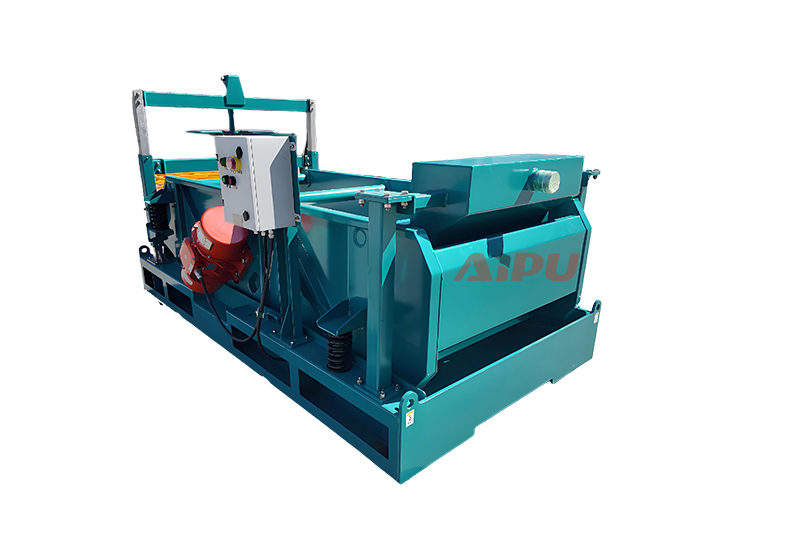
Fine-Mesh Vibrating Screen: The wet slurry (underflow) discharged from the bottom of all hydrocyclones is directed onto a single, vibrating screen fitted with a very fine mesh (usually 100 to 200 mesh or finer). The screen's vibration separates the mixture: the liquid and particles finer than the screen mesh (including the valuable barite) pass through and are returned to the active mud tank. The trapped solids—primarily the abrasive, silt-sized drilled cuttings—are conveyed off the screen and discarded.
3. Function and Importance in the Drilling Process
Protects Drilling Equipment: Removing fine, abrasive solids reduces wear on pumps, drill bits, and other downstream equipment, lowering maintenance costs and downtime.Maintains Mud Properties: Excessive fine solids can adversely affect crucial mud properties such as density, viscosity, and gel strength. The mud cleaner helps maintain these properties within optimal design ranges.
Preserves Weighting Material (Barite): This is its defining function. Unlike a standalone desander or desilter which would discard barite along with cuttings, the mud cleaner's fine screen salvages the expensive barite, resulting in significant cost savings.
Enhances Drilling Efficiency: Cleaner mud leads to faster Rate of Penetration (ROP), better hole cleaning, and reduces the risk of drilling problems such as stuck pipe.
Reduces Waste Volume: By recovering liquids and barite, it minimizes the total volume of waste generated, which is beneficial for environmental and waste disposal cost management.
4. Position in the Solid Control Equipment Hierarchy
In a modern drilling rig's solid control system, equipment is arranged in a sequential order from coarse to fine removal:Shale Shaker: The first and primary defense, removing large cuttings using coarse to medium screens.
Desander & Desilter: Remove progressively finer sand and silt-sized solids using larger and smaller hydrocyclones, respectively. They are typically used on unweighted mud.
Mud Cleaner: Positioned after the shale shaker and often processing the discharge from desanders. It is the key equipment for weighted mud purification.
Centrifuge: The final stage, capable of removing ultra-fine solids (down to 2-5 microns) and separating barite from low-gravity solids.
5. Operational Considerations
-
Application: Most effective and economical when drilling with weighted mud and when the solid content includes a significant proportion of fine, abrasive silt.
-
Screen Selection: The choice of screen mesh is critical—too coarse defeats the purpose; too fine can lead to screen plugging and barite loss.
-
Feed Pressure: Hydrocyclones require optimal pressure (typically around 75 psi / 0.52 MPa) for efficient separation.
The mud cleaner is an indispensable and intelligent solution in drilling fluid management. It fills the specific gap between primary shale shakers and high-precision centrifuges, ensuring that weighted mud systems remain efficient, economical, and in-specification. By performing the dual task of removing harmful solids while conserving valuable resources, it directly contributes to safer, faster, and more cost-effective drilling operations.
Related Products