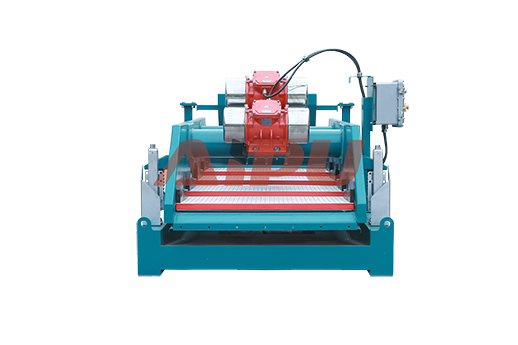
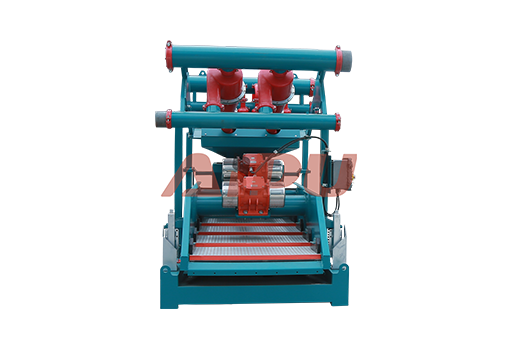
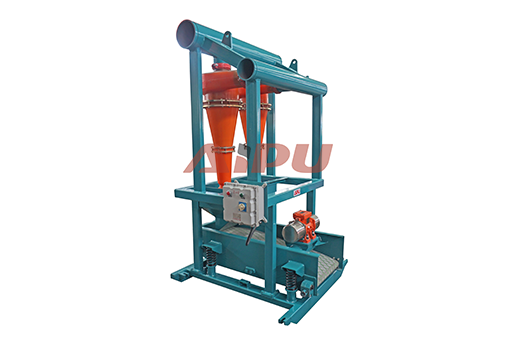
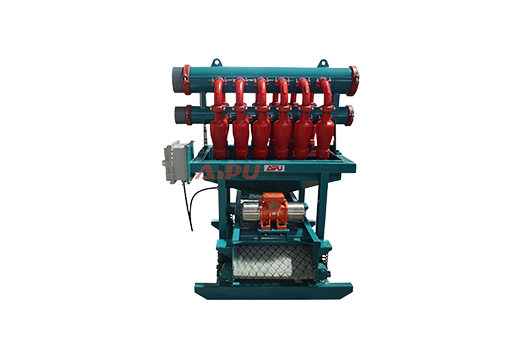
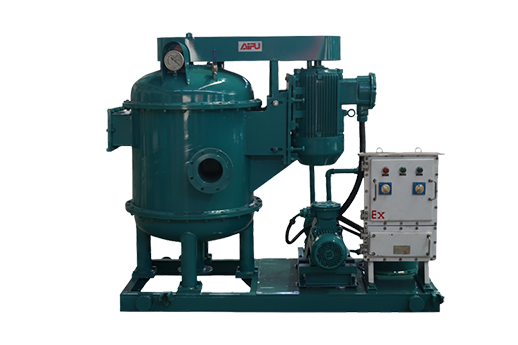
mud cleaner for drilling fluids solids control
1. Introduction: The Challenge of Weighted Mud
In drilling fluids solids control, the primary goal is to remove drilled cuttings and other undesirable solids while preserving the desired components of the fluid. This task becomes particularly challenging when using weighted drilling muds, which contain high-density materials like barite (typically 4.2 sg) to control wellbore pressure. Traditional fine-solid removal equipment, such as desanders and desilters (hydrocyclones), would discard both low-gravity drilled solids and the expensive barite, making their use on weighted mud cost-prohibitive. The mud cleaner is the specialized solution engineered to resolve this critical problem in the solids control hierarchy.
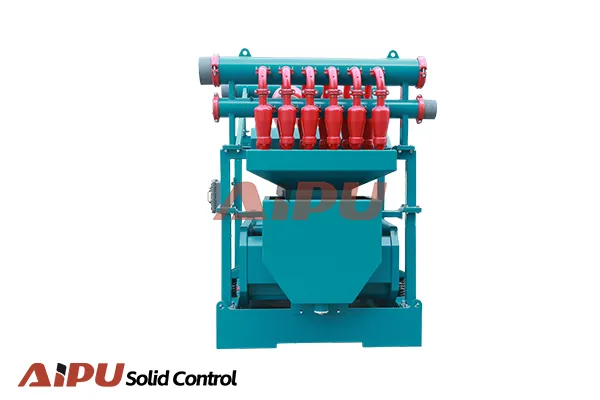
2. Definition and Role in the Solids Control Cascade
A mud cleaner is a composite solids control device that integrates a bank of hydrocyclones (typically 4-inch cones) with a fine-mesh vibrating screen. It is strategically positioned within the equipment cascade to handle the specific fraction of solids that other surface equipment cannot process efficiently in a weighted mud system.
Typical Solids Control Cascade:
-
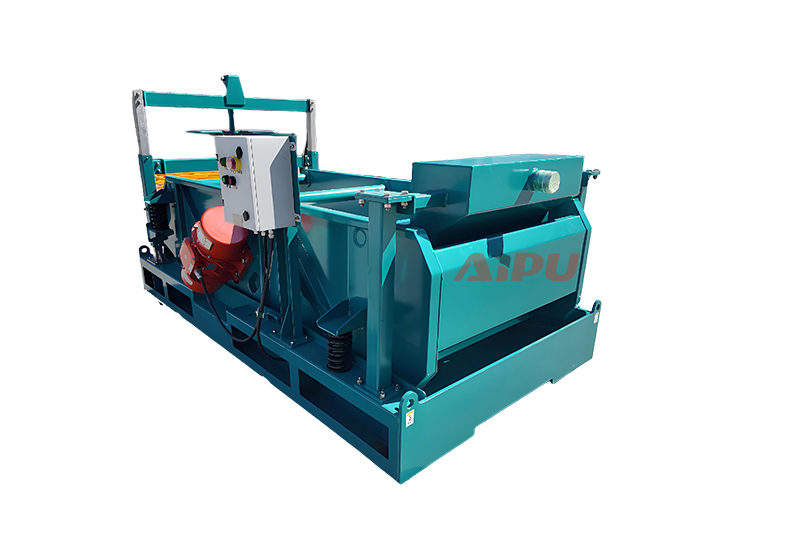
Shale Shakers (Primary Removal): Remove large cuttings (≥ 74-150 microns) using vibratory screens. They are the first and most crucial line of defense.
-
Desanders & Desilters (For Unweighted Mud): Remove finer sand (44-74 microns) and silt (15-44 microns) using larger and smaller hydrocyclones, respectively. They are usually bypassed once weighting material is added to the mud.
-
Mud Cleaners (For Weighted Mud): Become the key secondary stage after shale shakers. They target the silt-sized particles (15-50 microns) that pass through the shaker screens, without significant barite loss.
-
Centrifuges (Final Polishing): Used for weighted mud recovery (discarding fine drilled solids and returning barite) or for unweighted mud drying (discarding fine solids and returning liquid).
The mud cleaner’s unique role is to protect the weighted mud system from the accumulation of fine, abrasive low-gravity solids that degrade drilling performance.
3. Detailed Working Process in the Solids Control System
The operation of a mud cleaner within the closed-loop drilling fluid system is a two-stage, sequential separation process:
Stage 1: Hydrocyclone Classification
Weighted mud from the active system, containing barite and a range of drilled solids, is pumped to the hydrocyclone bank. Inside the cones, centrifugal force separates particles primarily by mass. The output is twofold:
-
Overflow (Light Fraction): Returns to the active mud system. It contains liquid, ultra-fine particles, and chemicals.
-
Underflow (Heavy Fraction): A concentrated slurry discharged from the cone apex. This underflow contains a mixture of high-gravity barite and low-gravity drilled solids in the target size range.
Stage 2: Vibrating Screen Separation
The combined underflow from all cones is distributed onto a single, fine-mesh screen (usually 100-200 mesh). Here, separation is based strictly on particle size:
-
Passing Through Screen: Liquid and particles smaller than the screen mesh (including most barite, which is ground to ~1-74 microns) are returned to the active system. This is the critical recovery function.
-
Rejected by Screen: Particles larger than the screen mesh (predominantly the abrasive, silt-sized drilled cuttings) are conveyed off the screen as waste.
This combination ensures that separation decisions are made first by density (in the cones) and finally by size (on the screen), optimizing the recovery of valuable barite.
4. Key Applications and Operational Scenarios
Mud cleaners are deployed under specific conditions where their economic and technical benefits are maximized:
-
Drilling with Weighted Mud: This is the primary application, especially when mud weight exceeds 10.5 ppg (1.26 sg).
-
High Penetration Rate in Soft Formations: When drilling clays, shales, or soft rock with a high ROP, they generate a large volume of fine solids that a shale shaker cannot fully remove.
-
Abrasive Solids Invasion: When sand or silt streaks are encountered, the mud cleaner is vital to remove these abrasive solids before they damage pumps, drill strings, and other equipment.
-
Mud Property Management: When mud properties (viscosity, yield point, gel strengths) begin to deteriorate due to fine solid buildup, activating the mud cleaner can help restore specifications.
5. Advantages and Limitations
Advantages:
-
Barite Conservation: Dramatically reduces the cost of barite replenishment, offering a rapid return on investment.
-
Improved Drilling Performance: Maintains lower solids content, leading to higher Rate of Penetration (ROP), better hydraulics, and reduced torque and drag.
-
Reduced Abrasion: Removes fine, abrasive solids, extending the service life of downstream equipment.
-
Waste Minimization: Reduces the total volume of wet waste for disposal compared to running desilters on weighted mud.
Limitations / Considerations:
-
Application Specific: Not cost-effective for unweighted mud systems; desanders/desilters are more suitable.
-
Screen Maintenance: Fine screens are prone to blinding (plugging) and require careful monitoring and cleaning.
-
Limited Ultra-Fine Removal: Cannot remove colloids and ultra-fines (< 10-15 microns); a centrifuge is required for this final polishing.
-
Optimal Feed Required: Requires consistent pump pressure and correct feed density to function efficiently.
6. Conclusion: A Strategic Tool for Efficient Drilling
The mud cleaner is not a universal solids control device but a strategic, application-specific tool. Its implementation represents a conscious decision to optimize the economics and performance of weighted drilling fluid programs. By effectively straddling the gap between primary shaking and final centrifugation, it solves the fundamental solids control dilemma in weighted mud: how to discard the bad (drilled solids) while keeping the good (liquid and barite). Proper integration and operation of the mud cleaner within the overall solids control system are essential for achieving lower well costs, improved operational efficiency, and better wellbore conditions.
Related Products