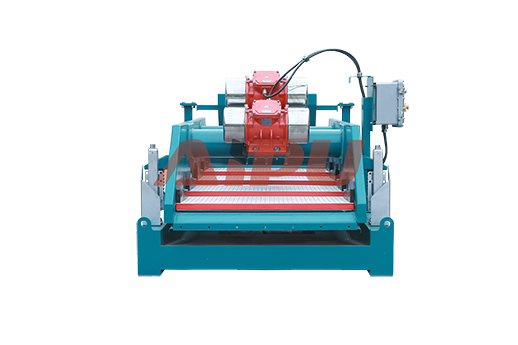
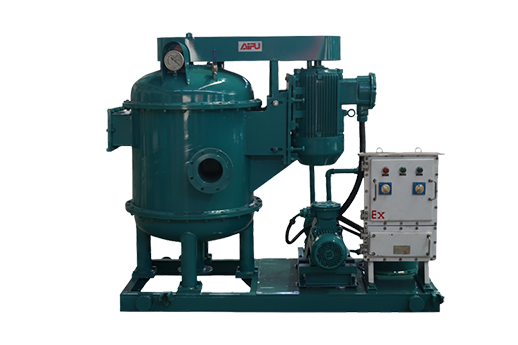
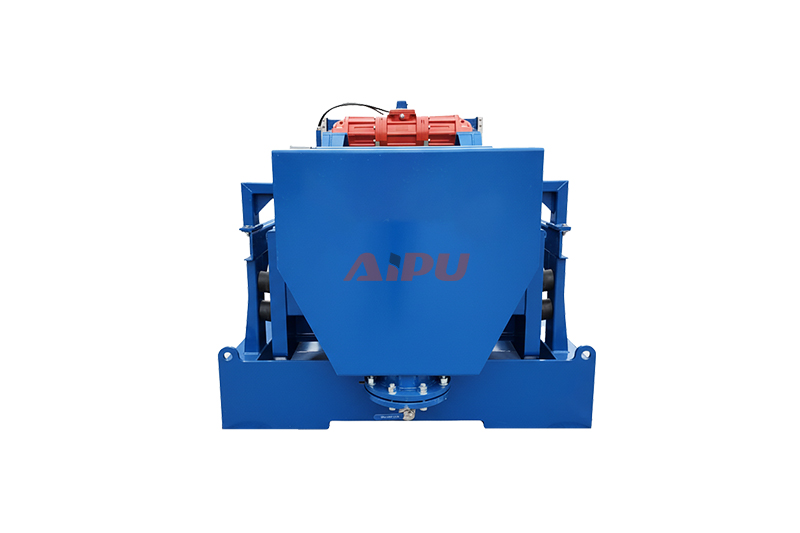
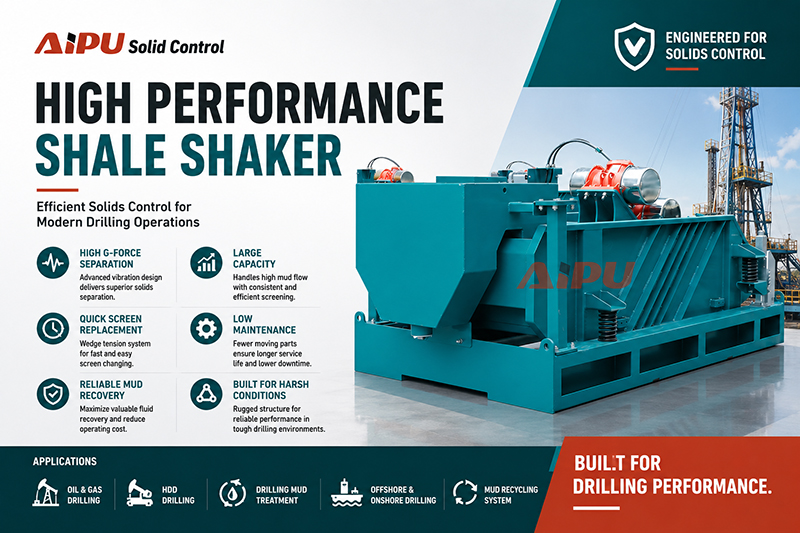
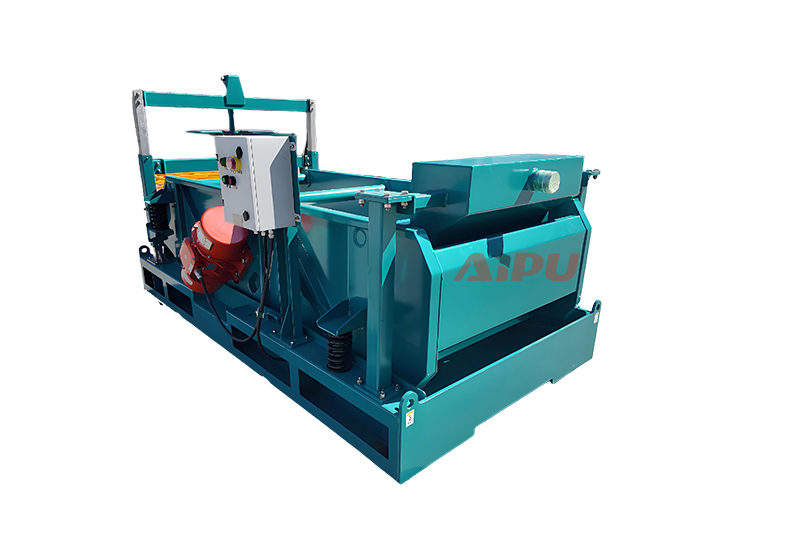
oilfield mud cleaner equipment introduction
The oilfield mud cleaner is a specialized, integrated piece of solid control equipment designed for the critical task of fine solids removal in weighted drilling fluid systems. It serves as a pivotal component in the drilling rig's surface mud system, directly impacting drilling efficiency, operational cost, and equipment longevity.
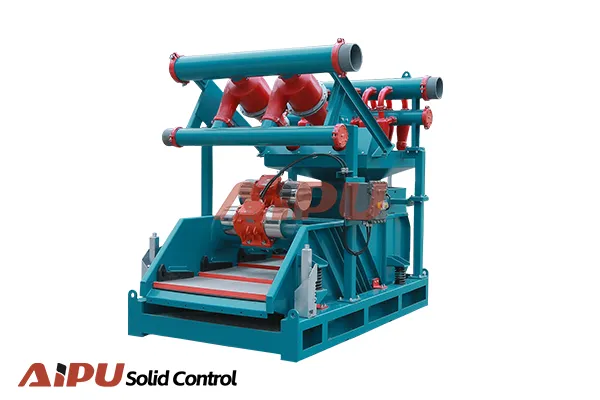
1. Equipment Overview & System Positioning
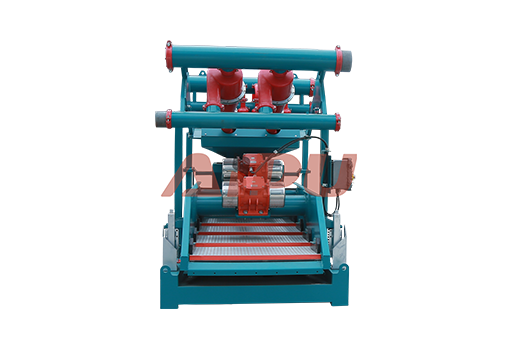
An oilfield mud cleaner is a hybrid unit, combining the principles of hydrocyclonic separation and vibratory screening into a single, compact skid. It is typically installed downstream of the primary shale shakers and the degasser but upstream of the centrifuge in the solids control sequence. Its primary function is to process the "underflow" from desanders or the direct feed from the agitating tanks to remove abrasive silt-sized particles (typically 15-74 microns) while salvaging valuable weighting material (barite). Unlike standalone desilters used on unweighted mud, the mud cleaner's integrated fine screen is what makes barite recovery possible, defining its essential role in weighted mud drilling operations.
2. Key Components & Structural Configuration
A standard mud cleaner consists of the following major components, mounted on a single structural skid for easy installation and transport:
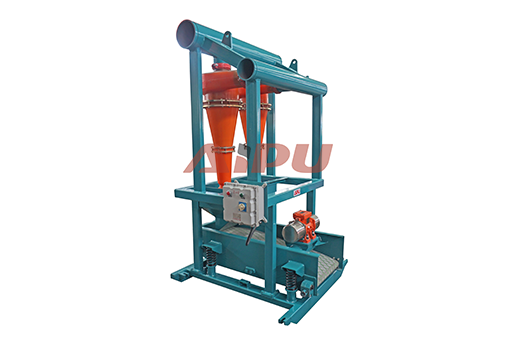
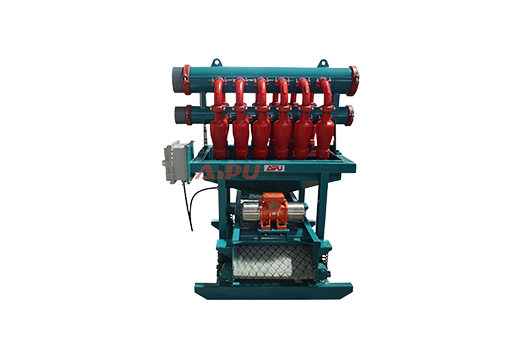
A. Hydrocyclone Bank (Cone Manifold):
-
Structure: A fabricated steel manifold that distributes drilling fluid evenly to an array of small-diameter hydrocyclones. Common configurations use 10, 12, or 16 cones.
-
Cones: The core separation elements. For mud cleaners, these are typically 4-inch diameter cones, although 5-inch cones may be used for higher flow rates. They are made from wear-resistant materials like polyurethane or ceramic liners.
-
Inlet Header: The pressurized feed line from the supply pump.
-
Overflow Manifold: A collection chamber that gathers the cleaned "overflow" from the top of each cone and directs it back to the active mud system.
-
Apex Valves: Adjustable nozzles or valves at the bottom (apex) of each cone. These allow operators to tune the underflow density and separation efficiency, optimizing between "dry" and "wet" discharges.
B. Fine-Mesh Vibrating Shaker:
-
Screen Basket: A single, vibrating deck mounted directly beneath the hydrocyclone bank. It is specifically designed to handle the high-density, abrasive slurry from the cone underflows.
-
Vibrator Motor(s): Provides high-frequency, linear or elliptical motion to convey solids and facilitate liquid/solid separation through the screen.
-
Screen Panel: Uses extremely fine mesh screens, typically in the range of 150 to 325 mesh (100 to 45 microns). The screen is the decisive component that separates barite (fine enough to pass through) from drilled cuttings (too large to pass).
-
Collection Pans: A pan beneath the screen collects the liquid and barite that pass through (the "throughput"), channeling it back to the active system.
C. Supporting Systems & Structure:
-
Skid Base: A robust, steel frame that supports all components, often with integrated walkways and guardrails for safety.
-
Feed/Supply Pump: While sometimes a separate unit, a dedicated centrifugal pump (e.g., a 5x6 or 6x8 slurry pump) is often part of the mud cleaner package to ensure consistent feed pressure (typically 0.35-0.5 MPa or 50-75 psi) to the hydrocyclones.
-
Electric Control Panel: Houses motor starters, variable frequency drives (VFDs) for the shaker and pump, and necessary controls for safe operation.
-
Piping & Valving: Includes all necessary piping, gate valves, and hoses to direct flow to and from the unit.
3. Technical Specifications & Performance Parameters
When selecting or operating a mud cleaner, key specifications include:
-
Processing Capacity: Ranges from ~500 GPM to over 1500 GPM, depending on the number and size of cones.
-
Hydrocyclone Size & Quantity: Most common: 12 x 4-inch cones.
-
Screen Mesh Range: Standard capability from 80 to 325 mesh.
-
Drive Power: Shaker motor(s) typically 2-5 HP; supply pump motor can range from 30-75 HP depending on flow requirements.
-
Operating Pressure: Hydrocyclones require 0.35-0.5 MPa (50-75 psi) inlet pressure for optimal efficiency.
-
Dimensions & Weight: A typical unit may be 3m (L) x 2m (W) x 2.5m (H) and weigh several thousand kilograms.
4. Operational Significance & Value Proposition
The introduction of a mud cleaner into the solids control lineup provides tangible field benefits:
-
Cost Savings: Directly reduces barite consumption and associated mud treatment costs by recovering up to 95% of the weighting material.
-
Performance Enhancement: By maintaining low drilled solids content, it improves Rate of Penetration (ROP), reduces pump wear, and minimizes the risk of differential sticking and poor hole cleaning.
-
System Stability: Helps keep key mud properties (rheology, density, fluid loss) stable and within design specifications.
-
Environmental Benefit: Reduces the total volume of waste generated compared to discharging hydrocyclone underflow directly to waste pits.
5. Summary
The oilfield mud cleaner is more than just a piece of machinery; it is a strategic investment in efficient and economical drilling with weighted fluids. Its intelligent design, merging hydrocyclones with fine screening, directly addresses the core challenge of weighted mud systems. Proper selection, installation, and operation of this equipment are fundamental responsibilities of the drilling fluids and rig team, directly contributing to safer, faster, and more cost-effective well construction.
Related Products