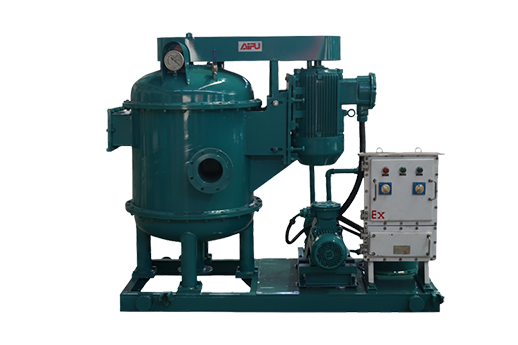
Mud Cleaner for Drilling Waste Management: Reducing Volume, Cost, and Environmental Impact
1. Introduction: The Waste Management Challenge in Drilling
Drilling operations generate substantial volumes of waste, primarily in the form of drilled cuttings and associated drilling fluids. The management, transport, and disposal of this waste constitute a significant operational cost and environmental consideration. For wells using weighted drilling fluids, this challenge is compounded by the presence of expensive barite. The mud cleaner plays a pivotal, economically-driven role in modern drilling waste minimization strategies by actively separating valuable components from the waste stream, transforming a simple disposal problem into a resource recovery process.
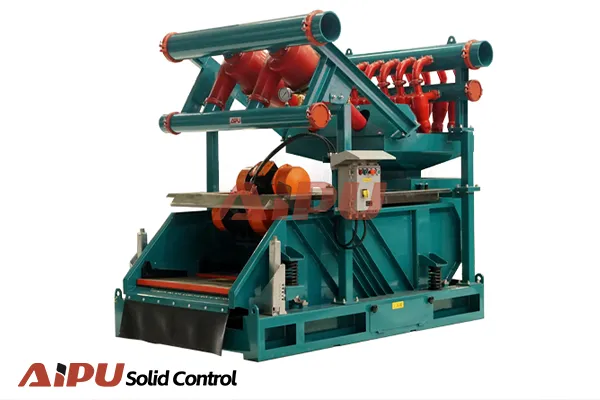
2. Core Waste Management Function: Volume Reduction and Resource Recovery
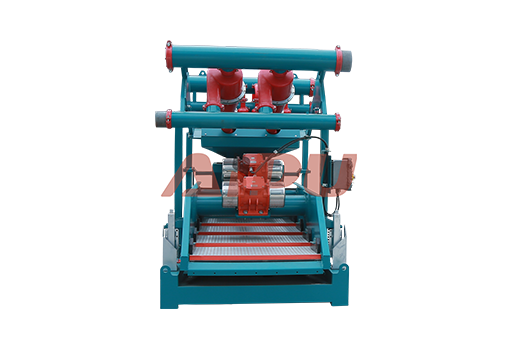
The primary waste management function of a mud cleaner is source reduction. It achieves this through a targeted separation process applied to the hydrocyclone underflow—a slurry that would otherwise be sent directly to waste storage or pits.
The Waste Transformation Process:
-
Input: "Potential Waste" Slurry
The feed to the mud cleaner is the underflow from desanders or a direct bleed from the active system. This material is a candidate for waste disposal, containing:-
Expensive barite (weighting agent)
-
Expensive liquid phase (base oil, water, and chemicals)
-
Undesirable drilled solids (the actual waste)
-
-
Processing: The Separation of Value from Waste
-
Fine Screening: The slurry is processed over a fine-mesh screen.
-
Resource Recovery: The liquid and barite (typically representing 70-90% of the slurry's volume and most of its cost) pass through the screen and are returned to the active drilling fluid system.
-
Waste Minimization: Only the dry, coarse fraction—the drilled cuttings—are retained on the screen for disposal.
-
-
Output: Dramatically Altered Waste Profile
-
Reduced Volume: Waste volume is decreased by up to 80% compared to disposing of the raw slurry.
-
Reduced Toxicity (for OBM/SBM): For synthetic/oil-based muds, the amount of hydrocarbon-on-cuttings is significantly lowered by recovering the base fluid.
-
Dryer Waste: The resulting cuttings are firmer and less prone to leaching, simplifying handling, transport, and disposal.
-
3. Economic Benefits: Direct Cost Avoidance
The use of a mud cleaner for waste management directly translates to bottom-line savings:
-
Barite Recovery: Barite represents a major fluid cost. Recovering it avoids the purchase of new material, often saving thousands of dollars per day.
-
Fluid System Conservation: Recovering the liquid phase (base oil, water, additives) reduces the need for fresh fluid makeup, cutting both fluid costs and related chemical costs.
-
Reduced Disposal Costs: Waste disposal is charged by volume (e.g., per barrel or per ton). By reducing the volume and liquid content, the mud cleaner directly lowers skip, haulage, and treatment fees.
-
Lower Transportation Footprint: Drier, reduced-volume waste requires fewer truckloads for off-site disposal, reducing fuel, emissions, and road traffic.
4. Environmental and Regulatory Advantages
Mud cleaners support compliance and environmental stewardship:
-
Minimization at Source: Aligns with the top tier of the waste management hierarchy: Reduce. This is favored by regulators over treatment or disposal.
-
Improved Waste Characteristics: Drier cuttings may qualify for less stringent (and less costly) disposal classifications or may be more suitable for beneficial reuse applications (e.g., landfarming where permitted, road construction material).
-
Reduced Liability: Smaller volumes of stabilized waste reduce long-term environmental liability at disposal sites.
-
Containment: By keeping fluids in the closed-loop active system, it minimizes the risk of spills from waste handling.
5. Integration into a Comprehensive Waste Management System
A mud cleaner is not a standalone waste treatment unit but a pre-treatment and recovery device within a larger system:
-
Primary Separation: Shale shakers remove bulk cuttings.
-
Secondary Recovery & Volume Reduction: Mud Cleaner captures fluids and barite from the fine solids stream, sending recovered materials back to the active system and drier solids forward.
-
Final Polishing & Dewatering: Centrifuges can further dry the solids from the mud cleaner or treat the active fluid to remove ultra-fines, producing a dry, stable solid for disposal and a clean centrate.
-
Final Treatment/Disposal: The dried, minimized waste stream may undergo thermal desorption, stabilization, or direct disposal in a permitted facility.
In this flow, the mud cleaner dramatically reduces the load and associated cost for downstream equipment like centrifuges and thermal dryers.
6. Operational Considerations for Optimal Waste Management
To maximize its waste minimization benefit, the mud cleaner must be operated with specific intent:
-
Screen Mesh Optimization: Use the finest screen possible that does not blind excessively. Finer mesh recovers more barite and liquid but requires more monitoring.
-
Apex Tuning: Adjust hydrocyclone apex valves to achieve a "dry" discard. A "rope" discharge indicates optimal solids concentration; a "spray" is too wet and sends valuable liquid to waste.
-
Continuous Operation: Run the mud cleaner consistently, not just intermittently. Continuous processing prevents the accumulation of fine solids that ultimately increase total waste volume.
-
Feed Point Management: Draw feed from a point of consistent solids concentration (e.g., the suction of the charging pumps) to ensure steady-state separation efficiency.
Conclusion: A Strategic Investment in Waste Minimization
In the context of drilling waste management, a mud cleaner is far more than a solids control tool; it is a resource recovery and cost containment device. Its function directly attacks the most significant drivers of waste cost—volume and valuable material loss. By recovering barite and liquid for reuse and producing a minimized, drier waste stream, it delivers immediate and substantial returns on investment through reduced material purchases and lower disposal fees. Furthermore, it positions the drilling operation for better regulatory compliance and a reduced environmental footprint. In an era of heightened environmental focus and cost efficiency, the strategic deployment of mud cleaners for waste management is not just an operational choice but a fundamental component of responsible and economical drilling practice.
Related Products