Mud Cleaner Equipment for Oil & Gas Drilling: Ensuring Efficiency and Environmental Safety
In the demanding world of oil and gas drilling, drilling fluid, or "mud," is the lifeblood of the operation. It cools and lubricates the drill bit, carries rock cuttings to the surface, and maintains hydrostatic pressure to prevent well blowouts. However, as the fluid circulates back to the surface, it becomes contaminated with solids (cuttings) of various sizes. Effective removal of these solids is critical, and this is where a sophisticated suite of equipment known as the "Solids Control System" or, more specifically, the Mud Cleaner, plays an indispensable role.
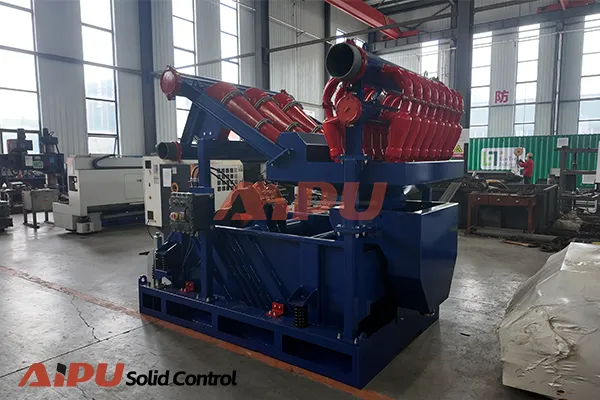
What is a Mud Cleaner?
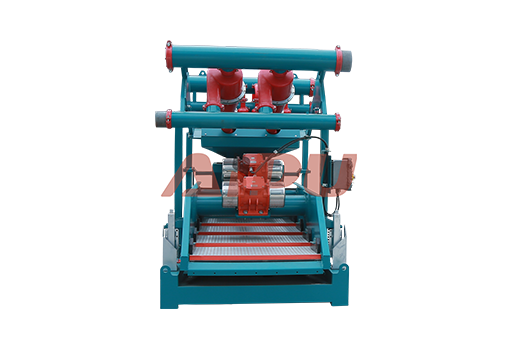
A mud cleaner is a hybrid device that combines the principles of a desander and a desilter with a fine-screen shaker. It is designed to remove fine, abrasive solids (typically in the 15-25 micron range) that conventional shale shakers cannot capture. Its primary function is to process the underflow—the slurry of fine solids and liquid—from hydrocyclones (desanders and desilters) to recover valuable liquid and weight material (barite) while discharging dry, fine solids.
The Role and Importance in the Drilling Process
The continuous purification of drilling fluid is not a luxury but a necessity for:
-
Maintaining Fluid Properties: Excessive fine solids increase mud density and viscosity, reducing drilling efficiency, increasing pump pressure, and risking formation damage.
-
Protecting Equipment: Abrasive solids accelerate wear on pumps, drill bits, and other downstream equipment, leading to frequent maintenance and downtime.
-
Controlling Drilling Costs: Efficient solids control reduces the need for continuous dilution with fresh mud and expensive additives like barite. It also minimizes waste volume, lowering disposal costs.
-
Enhancing Rate of Penetration (ROP): A clean, optimally weighted mud allows for faster and smoother drilling.
-
Environmental Compliance: Effective separation produces drier cuttings and reduces the total volume of liquid waste, simplifying disposal and minimizing environmental footprint.
Key Components of a Solids Control System
A modern solids control system is a multi-stage, cascading process where mud cleaners are a crucial intermediate stage. The typical arrangement includes:
-
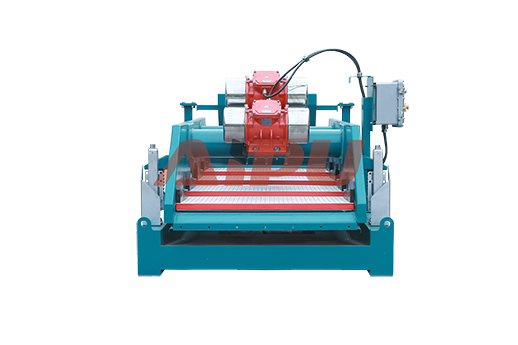
Shale Shakers: The first line of defense. Vibrating screens remove the largest cuttings (usually >74 microns).
-
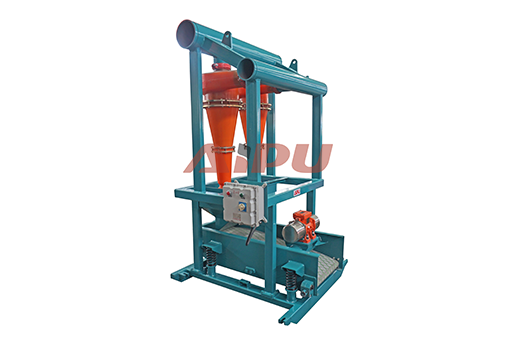
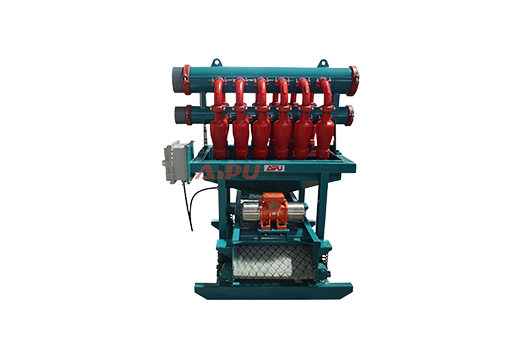
Desanders & Desilters: Hydrocyclones that use centrifugal force to separate medium-fine (desanders: 40-100 microns) and very fine (desilters: 15-40 microns) solids from the mud. Their underflow contains a mixture of solids and liquid.
-
The Mud Cleaner: This unit receives the underflow from the desander and/or desilter bank. It typically consists of:
-
A header box distributing the slurry onto...
-
A high-frequency, fine-mesh vibrating screen (often 150-200 mesh). The screen captures the fine solids, while the cleaned liquid and barite pass through back into the active mud system.
-
-
Decanter Centrifuges: The final polishing stage. They separate ultra-fine solids (down to 2-5 microns) and are critical for barite recovery in weighted mud systems.
Types and Advancements
The core principle remains, but technology has evolved:
-
Traditional Mud Cleaners: A bank of hydrocyclones mounted directly over a single shaker.
-
Integrated, Multi-Stage Units: Modern systems often combine multiple stages (e.g., a desander and desilter bank feeding a shared fine-screen shaker) into a single, compact skid for better efficiency and footprint.
-
Advanced Screen Technology: The development of non-blinding, composite screens with higher mesh counts has significantly improved the capacity and performance of the screening stage.
-
Automation and Monitoring: Modern systems incorporate sensors for density, flow rate, and screen integrity, allowing for real-time monitoring and optimization from a central control panel.
Conclusion
Mud cleaner equipment is a pivotal component in the science of solids control. By bridging the gap between primary shale shakers and finishing centrifuges, it ensures the drilling fluid maintains its essential properties. Investing in a well-designed, properly maintained solids control system—with an efficient mud cleaner at its heart—is a direct investment in safer, faster, more cost-effective, and environmentally responsible drilling operations. As drilling environments become more challenging and environmental regulations stricter, the technology behind this critical equipment continues to advance, solidifying its role as a cornerstone of modern drilling rig design.
Related Products