Role of the Mud Cleaner in the Drilling Fluids System
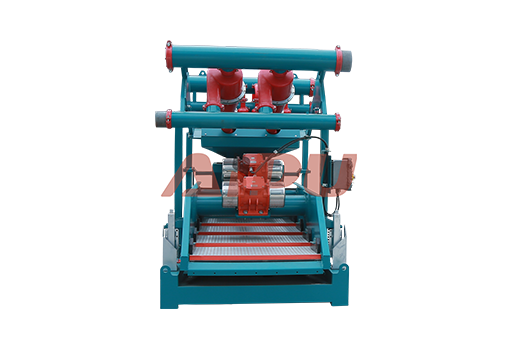
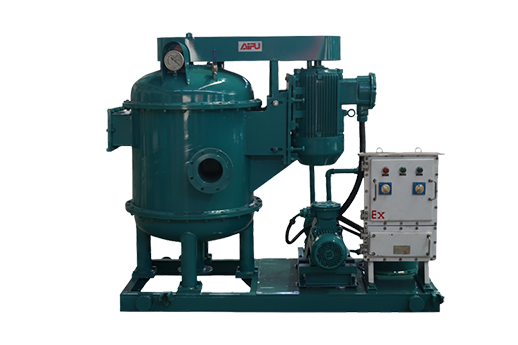
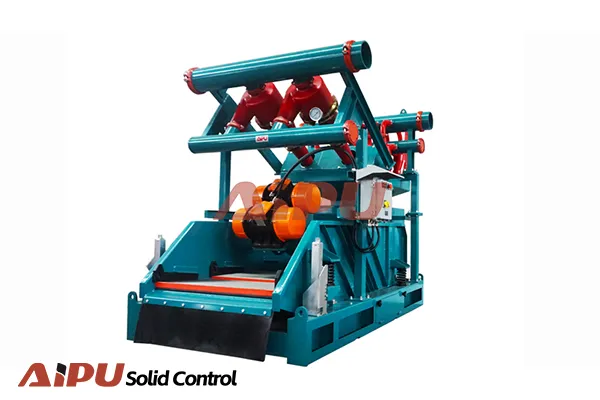
The mud cleaner plays a specialized and critical role in the drilling fluids system, functioning as a targeted fine-solids removal and valuable fluid recovery unit. Its position and purpose are best understood within the hierarchical cascade of the solids control equipment lineup.
Primary Role: The Bridge Between Primary and Polishing Separation
The mud cleaner is not a primary separator nor a final polisher, but a hybrid intermediary. Its core role is to process the waste stream (underflow) from hydrocyclones (desanders and desilters) to perform two simultaneous functions:
-
Remove Abrasive, Fine Solids (15-74 microns) that passed through the shale shaker but were separated by the hydrocyclones.
-
Recover Expensive Drilling Fluid and Weight Material (Barite) from that same hydrocyclone underflow stream.
Detailed Functional Roles:
1. Guardian of Weighted Muds (Key Role):
-
This is its most crucial application. In barite-weighted muds, desilters are often bypassed because their high centrifugal force would discard valuable barite along with solids.
-
The mud cleaner takes the underflow from the desander (which removes sand-sized particles). Its fine screen (e.g., 150-200 mesh) allows dense barite (~200 mesh) and liquid to pass through back to the active system, while trapping the lower-specific-gravity, abrasive drilled solids (silt) for disposal. This protects the mud weight and saves costly barite.
2. Economical Fine-Solids Control in Unweighted Muds:
-
In unweighted (water- or clay-based) muds, it can function as a highly efficient combined desilter and dryer. The hydrocyclone section removes fine silt, and the integrated screen immediately dries the underflow, maximizing fluid recovery and minimizing waste volume.
3. Abrasion Mitigation:
-
By systematically removing fine, sand- and silt-sized solids, it significantly reduces the abrasive wear on downstream critical equipment, including drill bits, mud pump liners, pistons, and seals, thereby lowering maintenance costs and downtime.
4. Fluid Property Stabilizer:
-
Unchecked fine solids increase plastic viscosity, yield point, and gel strengths. The mud cleaner helps maintain stable rheological properties, leading to:
-
Better hydraulic efficiency and hole cleaning.
-
Reduced risk of stuck pipe.
-
Improved rate of penetration (ROP).
-
5. Waste Volume Minimizer (Environmental & Economic):
-
By drying the hydrocyclone underflow on its integrated screen, it produces a drier solids discharge. This drastically cuts the volume of liquid waste hauled offsite, reducing environmental liability and disposal costs.
Position in the Drilling Fluids Circulation Loop:
A typical drilling fluid passes through solids control equipment in this order:
-
Shale Shakers (1st Defense): Remove coarse solids (>74-100 microns).
-
Desander (2nd Defense): Removes sand-sized particles (40-100 microns). Its underflow goes to the Mud Cleaner.
-
Mud Cleaner (Targeted Recovery): Processes desander underflow; recovers fluid/barite, discharges dry fines.
-
Desilter (for unweighted mud) or Centrifuge (3rd Defense/Polishing):
-
Unweighted Mud: Desilters remove very fine silt (15-40 microns).
-
Weighted Mud: A decanter centrifuge is used to separate ultra-fines from barite, recovering and recycling the barite.
-
Operational Context: When is a Mud Cleaner Most Vital?
-
Critical in Weighted Mud Systems: Essential for barite recovery when drilling intermediate sections with weighted mud.
-
Highly Beneficial in High-Volume, Fast Drilling: Where large volumes of fine cuttings are generated.
-
Environmental Sensitive Areas: Its waste reduction role is prioritized.
Conclusion:
The mud cleaner's role is one of precision economics and protection. It acts as a strategic filter positioned to salvage value (expensive barite and fluid) from a waste stream, while rigorously removing the specific particle sizes that cause operational inefficiency and equipment damage. It is the key piece of equipment that allows for the practical and economical use of weighted drilling fluids, making it indispensable for modern, cost-effective, and environmentally conscious drilling operations.
Related Products