Mud Cleaner Positioned After the Shale Shaker: Process and Purpose
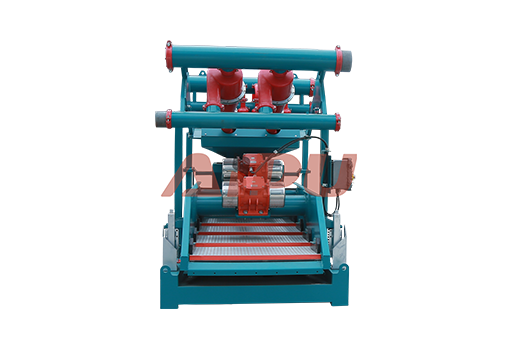
Placing the mud cleaner immediately after the shale shaker in the solids control sequence is a standard and critical configuration. This setup establishes an efficient cascade where each piece of equipment handles a specific particle size range, with the mud cleaner playing a specialized role in processing the shaker's effluent.
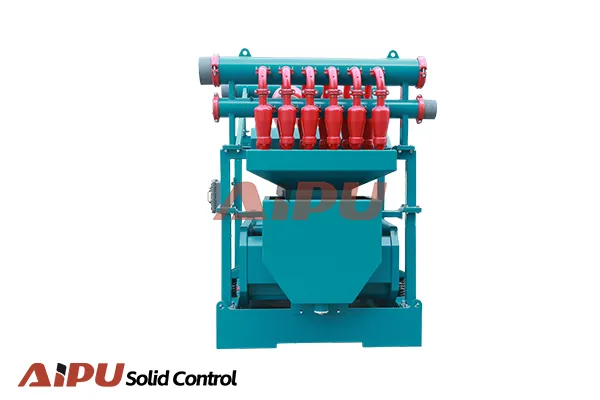
The Standard Sequential Layout
The typical flow for drilling fluid returning from the wellbore is:
-
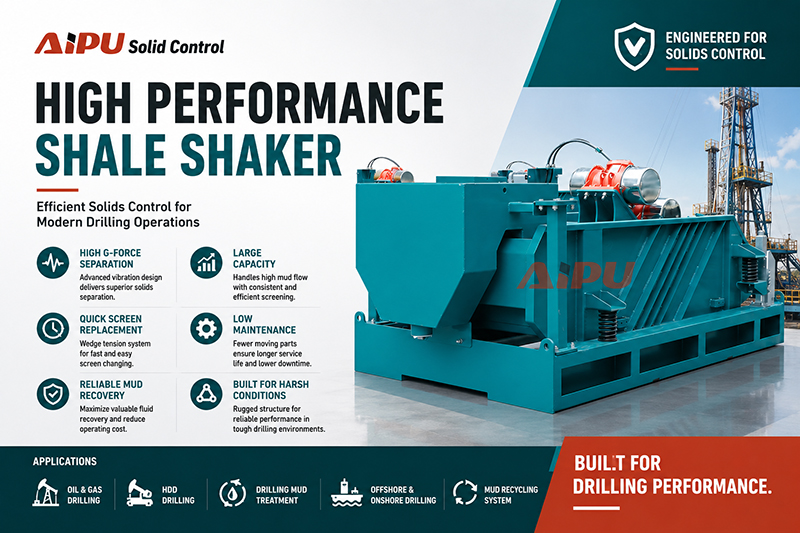
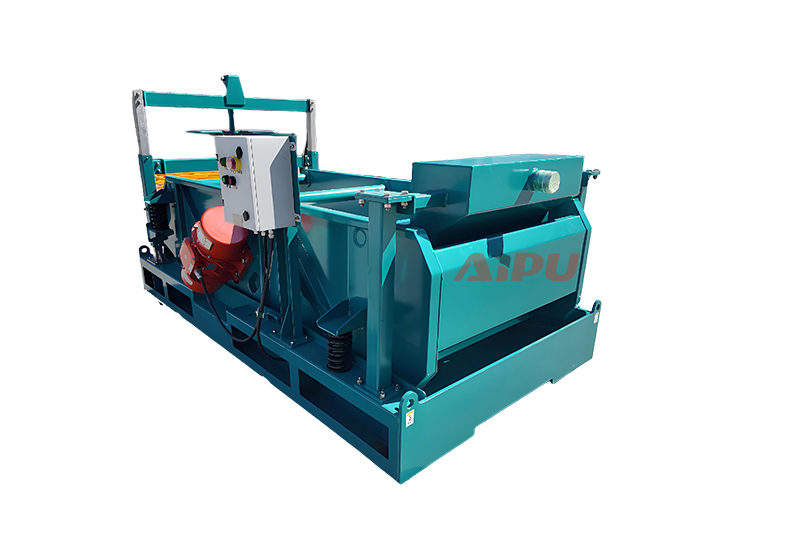
Shale Shaker (Primary Removal)
-
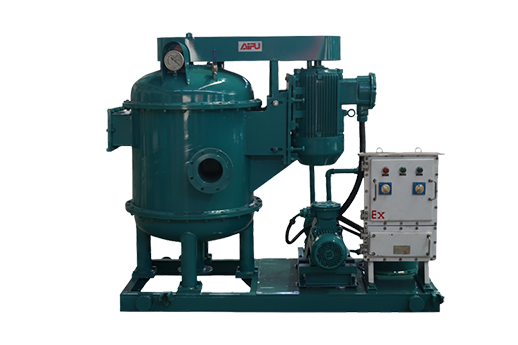
Mud Cleaner (Secondary Removal & Recovery)
-
Desander / Desilter or Centrifuge (Tertiary/Polishing Removal)
Why It Must Come After the Shale Shaker
The shale shaker acts as a guardian for all downstream equipment:
-
Prevents Overload: Shakers remove the bulk of large cuttings (>74-100 microns). Sending unshaken mud directly to a mud cleaner would instantly plug its fine screens and hydrocyclones with coarse solids, causing complete failure.
-
Optimizes Efficiency: By receiving pre-screened fluid, the mud cleaner can focus its energy and design on its intended target: fine, sand- and silt-sized solids.
Detailed Process: From Shaker Discharge to Mud Cleaner
Here is how the two units work in tandem:
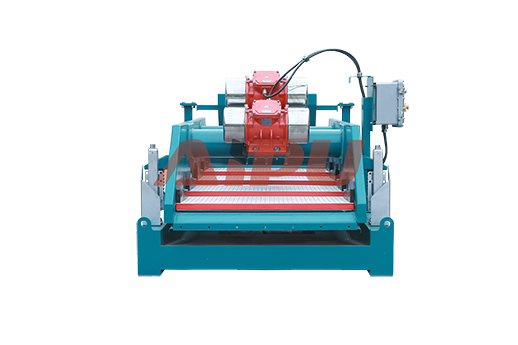
Step 1: Primary Screening at the Shale Shaker
-
The total wellbore flow, laden with cuttings of all sizes, is discharged onto the shaker's coarse or medium screens (e.g., 80-120 mesh).
-
Through the Screens: A slurry containing liquid, dissolved chemicals, weight material (barite), and fine solids (smaller than the shaker screen mesh) passes through. This is called the "shaker throughs" or "screen unders."
-
Off the Screens: Larger drilled solids are discharged dry for disposal.
Step 2: Feed to the Mud Cleaner
-
The "shaker throughs" slurry collects in the shaker's sump or a dedicated compartment in the mud tank (often called the "sand trap").
-
A dedicated charge pump draws from this compartment and pumps the slurry to the inlet header of the mud cleaner.
Step 3: Mud Cleaner's Specialized Work
-
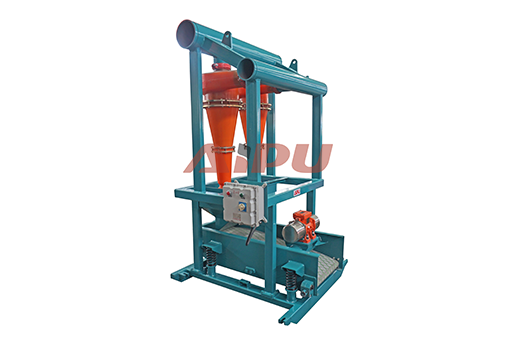
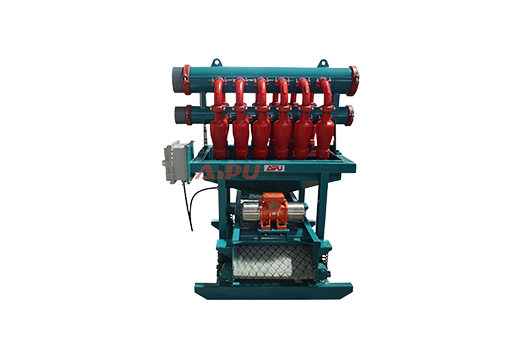
The slurry enters the mud cleaner's bank of hydrocyclones.
-
Hydrocyclone Action: Centrifugal force separates particles by mass and size. The overflow (cleaned fluid with ultra-fines and barite) returns to the active mud system. The underflow (a concentrated slurry of fine solids and some liquid) is discharged onto the fine-screen shaker.
-
Screen Action: The vibrating fine screen (150-200 mesh) performs the critical separation:
-
Through the Screen: Recovered liquid and, crucially, valuable barite pass back to the active system.
-
Off the Screen: Dried, fine, abrasive solids (the target silt and fine sand) are discharged as waste.
-
Key Benefits of This Sequential Placement
-
Protects the Mud Weight: This is the primary benefit in weighted mud systems. The mud cleaner salvages barite from the shaker's effluent that would otherwise be lost to subsequent, more aggressive separation stages (like a desilter).
-
Targets the Most Abrasive Solids: Efficiently removes the 44-74 micron range, which is highly abrasive to drilling equipment.
-
Maintains Rheological Control: By removing fine solids that increase viscosity and gels, it helps maintain optimal mud flow properties.
-
Reduces Load on Downstream Equipment: By removing a significant portion of fine solids, it prevents overloading of subsequent equipment like centrifuges, allowing them to operate more efficiently on the ultra-fine fraction.
Operational Configuration Scenarios
-
For WEIGHTED Muds (Barite Present):
-
Mud Cleaner Role: Primarily a barite recovery and fine-solids removal unit. It processes the shaker effluent to save barite.
-
What comes next? A centrifuge is typically used after the mud cleaner to remove ultra-fine colloids and further recover barite.
-
-
For UNWEIGHTED Muds (No Barite):
-
Mud Cleaner Role: Can be configured as a high-efficiency desilter/fines dryer. Its hydrocyclones remove silt, and its screen dries the underflow.
-
What comes next? Possibly a high-speed centrifuge for ultra-fine removal, or the system may be sufficient as-is.
-
Conclusion:
Positioning the mud cleaner directly after the shale shaker is a fundamental design principle in drilling fluids processing. It creates an efficient "tag-team" where the shaker handles the coarse work, and the mud cleaner takes on the precise, value-recovery role. This setup is essential for controlling mud properties, minimizing abrasive wear, and achieving cost-effective operations—especially when using expensive weighted drilling fluids. It ensures that each stage of solids control operates within its design parameters for maximum system effectiveness.
Related Products