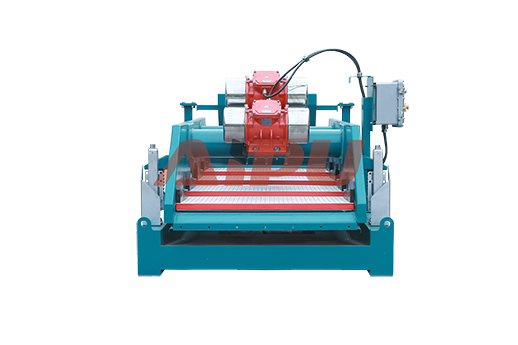
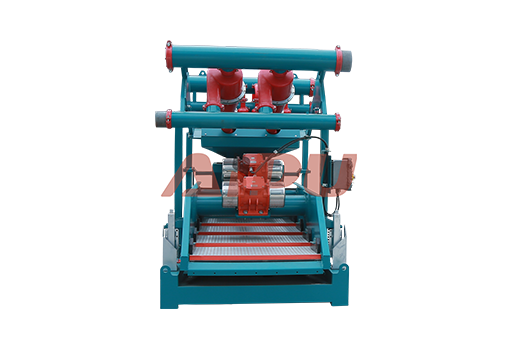
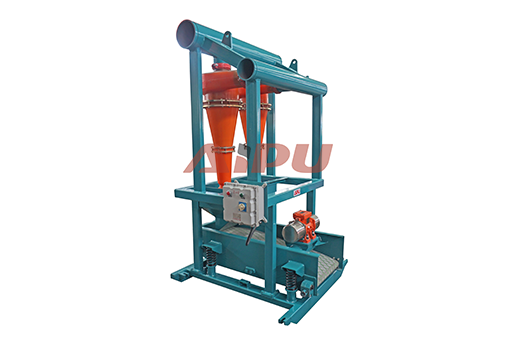
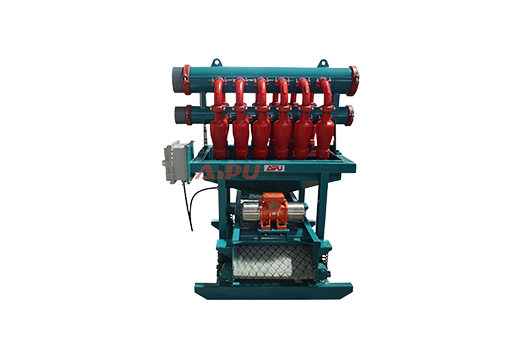
mud cleaner equipment design overview
Mud cleaner equipment is engineered as an integrated hybrid separation system combining hydrocyclones and fine-screen shaker technology on a single, compact skid. Its design prioritizes efficiency in fine solids removal, operational flexibility, and robust performance in the harsh drilling environment.
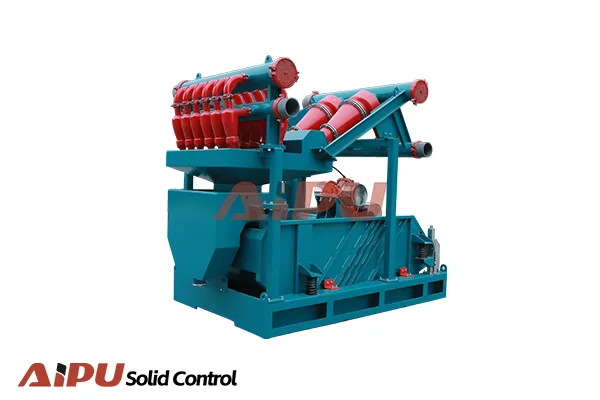
1. Core Design Philosophy & Modular Approach
Modern mud cleaners follow a modular, system-based design that allows for customization based on:
-
Fluid Type: Weighted vs. unweighted, oil-based vs. water-based.
-
Flow Rate Capacity: Ranging from 500 to 2,500+ GPM.
-
Space Constraints: Offshore skid dimensions vs. land rig layouts.
The fundamental design principle is to concentrate solids via centrifugal force and then separate liquids via screening in one continuous, automated process.
2. Major Design Components & Subsystems
A. Structural & Support System
-
Main Skid/Frame: Heavy-duty, welded steel construction with integrated lifting eyes and forklift channels. Designed for structural rigidity to handle vibration and dynamic loads.
-
Walkways & Guardrails: Safety-focused design with non-slip grating and OSHA-compliant guardrails for operator access.
-
Hopper/Feed Tank (Optional): Some designs include an integral feed tank for surge damping and consistent feed to the pump.
B. Hydrocyclone Separation Module
This is the "cleaner" stage of the equipment.
-
Manifold Assembly: A robust header that distribifies fluid evenly to multiple hydrocyclones. Designed for minimal pressure drop.
-
Hydrocyclone Array: A bank of small-diameter (4" or 5") ceramic or polyurethane cones.
-
Material: Wear-resistant liners (e.g., ceramic) for abrasive slurries.
-
Configuration: Cones are arranged in a removable "cluster" for easy maintenance.
-
-
Apex Valve Assembly: Each cone features an adjustable apex (bottom opening). The design allows for quick changes to optimize between a "dry" underflow (spray discharge) and a "wet" underflow (rope discharge).
-
Overflow Collection Launder: A trough or pipe manifold that gathers cleaned fluid from all cyclone vortex finders and channels it back to the active system.
C. Fine-Screen Shaker Module
This is the "dryer" stage of the equipment.
-
Vibration System:
-
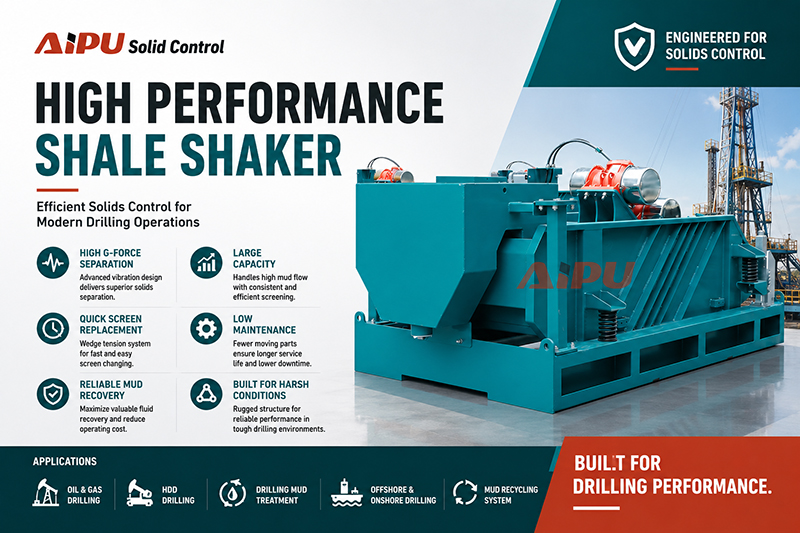
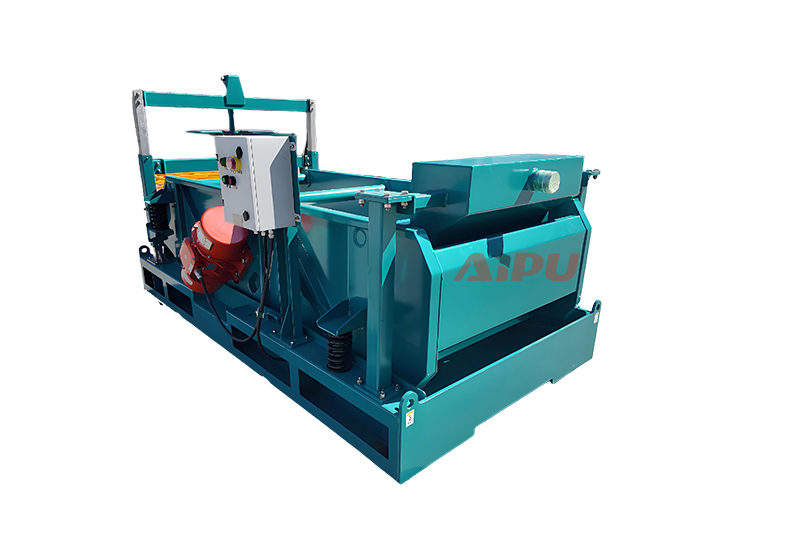
Motors: High-G, linear or elliptical motion motors mounted on the basket.
-
Basket/Deck: An angled, vibrating tray that holds screen panels. Mounted on heavy-duty coil springs or rubber shock absorbers to isolate vibration.
-
-
Screen Panel System:
-
Fine Mesh Panels: 150 to 325+ mesh screen panels, depending on application. Key consumable.
-
Panel Technology: Often use non-blinding, 3D pyramid profiles or layered composite screens to prevent plugging and increase fluid handling.
-
Quick-Tensioning System: Hydraulic or manual rapid tensioning systems for fast screen changes.
-
-
Underflow Distribution Tray: Positioned directly beneath the hydrocyclone cluster. It catches and spreads the cyclone underflow slurry evenly across the full width of the screen below.
D. Power & Fluid Handling System
-
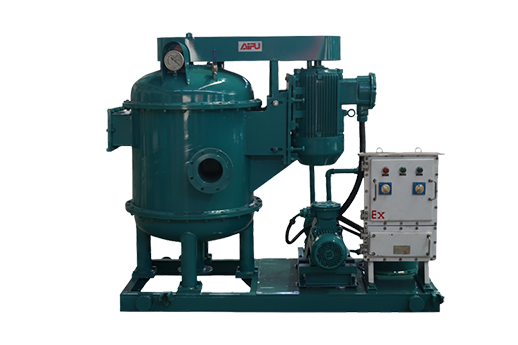
Charge Pump (Often Integrated): A centrifugal pump (typically rubber-lined for abrasion resistance) mounted on the skid. It provides pressurized feed to the hydrocyclones.
-
Electrical System: Includes a centralized control panel with motor starters, VFDs (Variable Frequency Drives) for pump and shaker control, and circuit breakers. Designed for hazardous area classifications (e.g., Class I, Div 2 for offshore).
-
Piping Network: Interconnecting piping for feed, overflow, and drain lines. Features isolation valves, drain plugs, and clear sight glasses for monitoring.
3. Key Design Innovations & Features
-
Unified Receiving Tank: Advanced designs combine the desander and desilter overflow into a single tank on the mud cleaner skid, simplifying plumbing.
-
Dual-Feed Capability: Design often includes connections to process both desander underflow (for weighted mud) and whole mud (for unweighted mud) with valve isolation.
-
Screen Rinse System (for WBM): Optional high-pressure spray bars to help clean sticky clays from screens, reducing blinding.
-
Heated Decks (for OBM): Electrically heated screen decks to lower the viscosity of oil-based fluids, enhancing separation and recovery.
-
Instrumentation & Monitoring: Modern designs incorporate pressure gauges on feed lines, vibration sensors on motors, and sometimes density meters to optimize performance in real-time.
4. Configuration Variations
-
Weighted Mud Configuration: Designed primarily for barite recovery. Hydrocyclones process desander underflow; fine screen salvages barite.
-
Unweighted Mud Configuration: Often a "Combined Desander/Desilter" unit. Two hydrocyclone stages (sand and silt) share one fine screen for maximum solids removal.
-
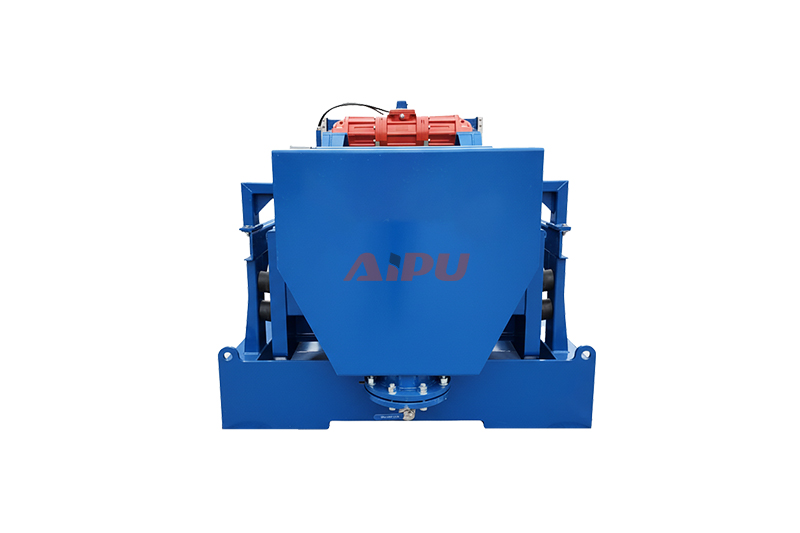
High-Recovery OBM Configuration: Emphasizes ultra-fine screens (250+ mesh) and high G-force vibration. Evolves into a Vertical Cuttings Dryer (VCD) design, which uses a vertical, rotating basket for extreme drying.
5. Design Considerations for Operation & Maintenance
-
Accessibility: Components like hydrocyclone clusters, screen panels, and pump seals are designed for quick, tool-less access.
-
Corrosion Protection: Full epoxy paint coating or stainless-steel components for offshore/sour service.
-
Spill Containment: Integrated drip pans and spill decks to contain leaks.
-
Modularity: Faulty modules (e.g., a shaker basket) can be disconnected and replaced without major dismantling.
Conclusion
The mud cleaner's design is a sophisticated response to a complex separation challenge. It embodies a systems-engineering approach, integrating mechanical separation (hydrocyclones), screening technology, fluid dynamics, and structural engineering into a single, robust package. Its modularity and configurability are its greatest strengths, allowing it to be precisely tailored to the economic and performance demands of any drilling fluid system—from protecting barite in a deepwater weighted mud to maximizing dryness of cuttings in an environmentally sensitive OBM operation. The ongoing evolution in screen technology, vibration mechanics, and control systems continues to enhance its efficiency and solidify its role as a cornerstone of modern solids control.
Related Products