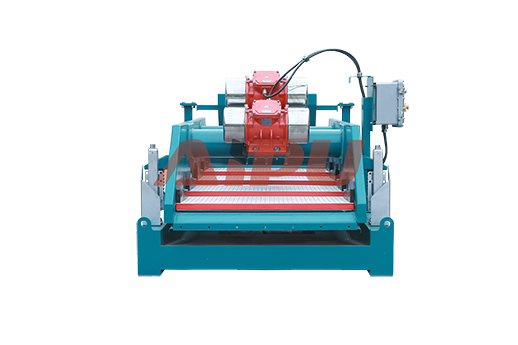
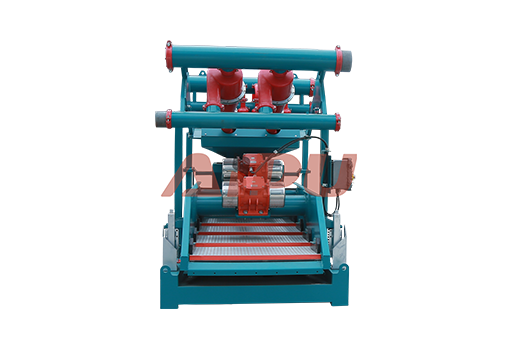
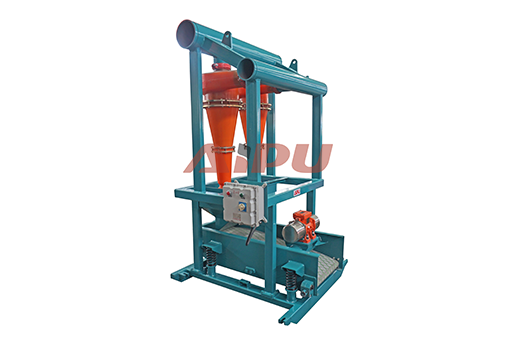
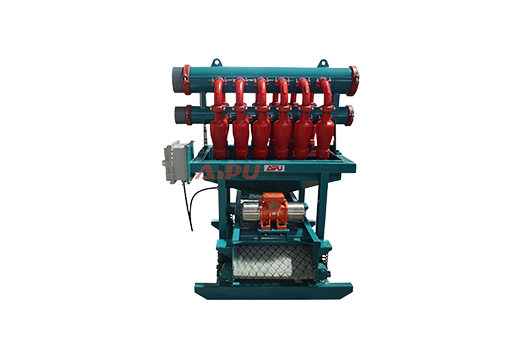
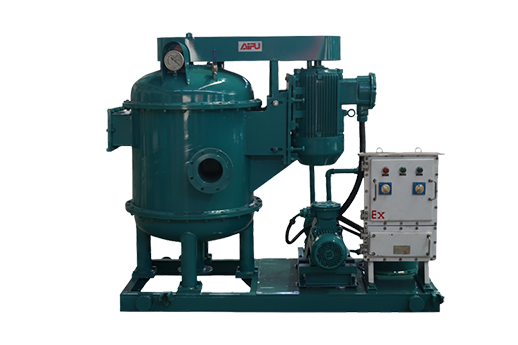
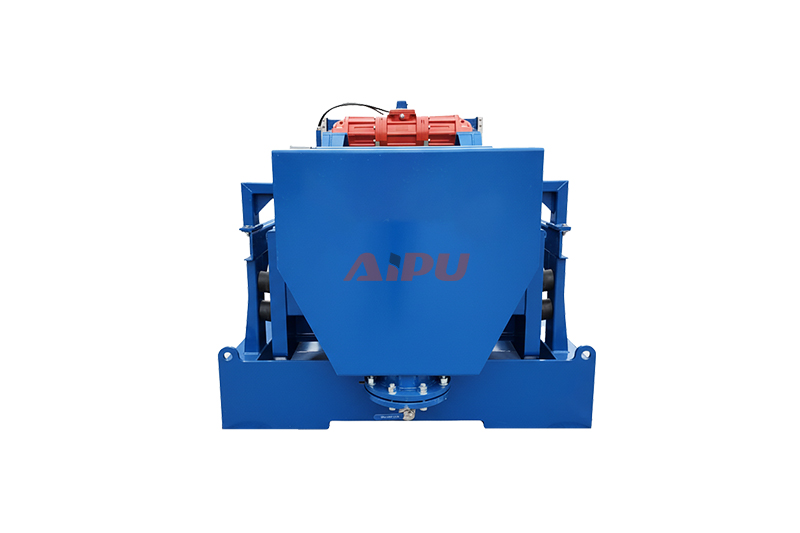
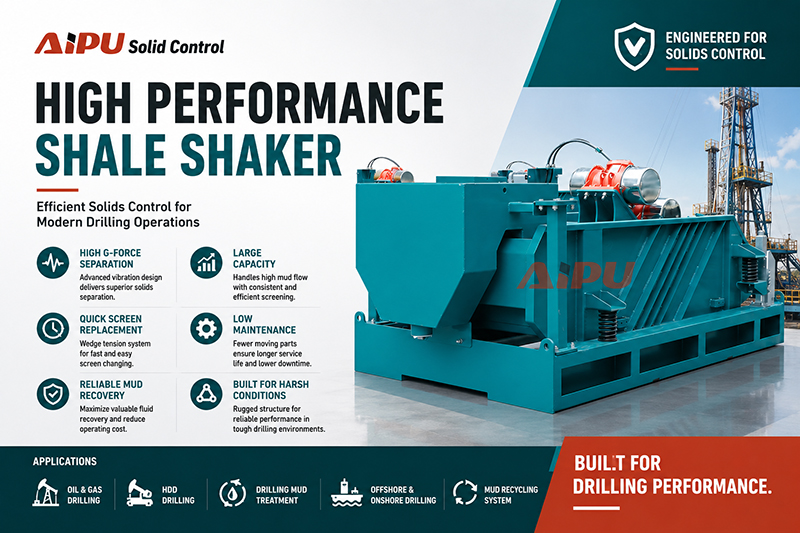
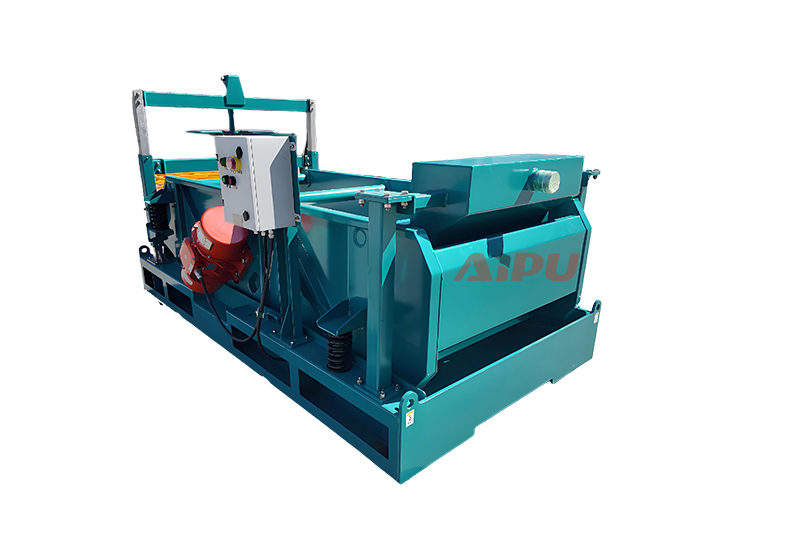
compact mud cleaner for drilling rigs
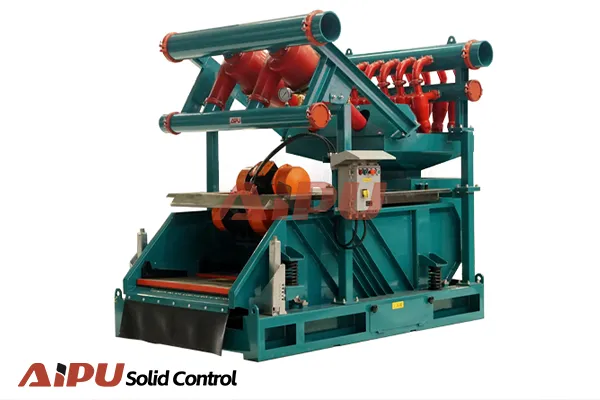
Compact mud cleaners represent a specialized engineering solution designed to deliver high-efficiency solids control within the stringent space and weight constraints of modern drilling rigs, particularly offshore platforms, mobile land rigs, and remote operations.
Design Philosophy & Key Drivers for Compactness
The core design objectives are:
-
Minimized Footprint: Reduce deck space and weight load, critical for offshore rigs where space is premium.
-
Integrated Functionality: Combine multiple processes (desanding, desilting, screening) into a single, skid-mounted unit.
-
Modular Mobility: Facilitate easy transport, quick rig-up/rig-down, and compatibility with modular drilling systems.
-
Maintained Performance: Achieve separation efficiency comparable to larger, traditional systems through optimized design.
Core Design Features of Compact Mud Cleaners
-
Unified, Vertical Stack Design:
-
Layout: Hydrocyclone clusters are mounted directly over a single, high-G fine-screen shaker in a vertical arrangement. This eliminates the need for separate, sprawling tanks and connecting pipework.
-
Manifold Integration: Feed, overflow, and underflow pathways are internally routed within the skid frame, reducing external piping.
-
-
High-Efficiency, Small-Diameter Hydrocyclones:
-
Use of advanced, high-capacity 4" or 5" cones that provide greater separation force per unit volume.
-
Denser clustering of cones to handle required flow rates in a smaller manifold footprint.
-
-
Advanced Screen Technology:
-
High-G, Linear Motion Shakers: Generate greater acceleration (up to 7-8 G's) to move solids efficiently across a smaller screen area.
-
Composite, Non-Blinding Panels: Allow for finer mesh (e.g., 200+ for OBM) without sacrificing flow capacity, maximizing recovery from a smaller surface area.
-
-
Integrated Power & Control Systems:
-
All motors (shaker, charge pump) and the central control panel are mounted on-board.
-
Features Variable Frequency Drives (VFDs) for precise control of pump speed and shaker intensity from a single point.
-
-
Skid-Based Construction:
-
A single, robust, sealed skid contains all components. It includes lifting eyes, forklift slots, and often a drip pan for spill containment.
-
Pre-fabricated and pre-wired for "plug-and-play" installation.
-
Typical Applications and Rig Types
-
Offshore Jack-Up, Semi-Submersible & Drillship Rigs:
-
Primary Driver: Extreme space and weight limitations. Compact cleaners are essential for fitting into the limited deck area of the mud processing module.
-
-
Land Rigs with Modular Design:
-
Benefit: Allows for faster mobilization and reduced trucking loads. Ideal for exploration drilling and pad drilling where equipment is frequently moved.
-
-
Platform & Workover Rigs:
-
Benefit: Can be retrofitted into existing, cramped mud rooms to upgrade solids control capabilities.
-
-
High-Pressure, High-Temperature (HPHT) & Critical Wells:
-
Benefit: Provides precise, reliable fine-solids control necessary for maintaining ultra-stable mud properties in a self-contained package.
-
Operational Advantages and Trade-Offs
Advantages:
-
Space Savings: Can reduce the footprint of the solids control system by 30-50% compared to traditional setups.
-
Reduced Hook-Up Time: Pre-assembled design cuts rig-up time and connection errors.
-
Improved Safety: Neater layout with contained piping reduces trip hazards and leak points.
-
Scalability: Multiple compact units can be run in parallel to handle high flow rates if needed.
Considerations & Trade-Offs:
-
Screen Area: The total screening area may be less than a dedicated, large shaker. This necessitates more precise feed control to avoid overloading.
-
Maintenance Access: Dense component packing can sometimes make maintenance more challenging, though well-designed models prioritize accessibility.
-
Capital Cost: Often higher per unit due to advanced engineering and integrated design, but offset by reduced rig-up costs and space savings.
Example Configuration: A Compact Weighted-Mud Unit
-
Feed: Takes suction directly from the shaker tank.
-
Process: A single bank of 4" hydrocyclones processes the feed. The underflow is distributed to an integrated fine-mesh (150-200) linear motion shaker.
-
Output:
-
Clean Overflow & Screen Throughs: Return barite and fluid to the active system.
-
Dry, Fine Solids Discharge: Conveyed to a cuttings collection system.
-
-
Footprint: May be as small as 4m (L) x 2.5m (W) x 2.5m (H), excluding safe working space.
Conclusion
The compact mud cleaner is a direct response to the evolving demands of the drilling industry for efficiency, mobility, and space optimization. It embodies the principle of "more performance per square meter." By integrating proven separation technologies into a streamlined, robust package, it enables operators to achieve superior mud cleaning and recycling standards even in the most space-constrained environments. Its deployment is a strategic choice that balances separation science with the practical realities of rig design, contributing directly to reduced waste, lower fluid costs, and more efficient drilling operations worldwide. For modern rigs, especially in offshore and fast-move applications, it is not merely an alternative but often the default solution for effective fine-solids control.
Related Products