The Mud Cleaner: Technical Deep Dive into Configuration, Efficiency, and Optimal Operation
Beyond its basic definition, the true value of a mud cleaner in a drilling system is unlocked through a detailed understanding of its technical configurations, efficiency metrics, and operational best practices. This article provides a technical deep dive for engineers, procurement specialists, and rig supervisors, detailing how to specify, operate, and maintain a mud cleaner for peak performance, with a focus on the engineered solutions from Aipu Solids Control.
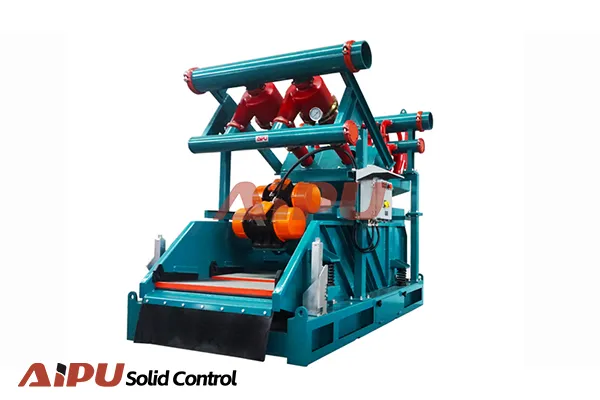
Deconstructing Mud Cleaner Components and Configurations
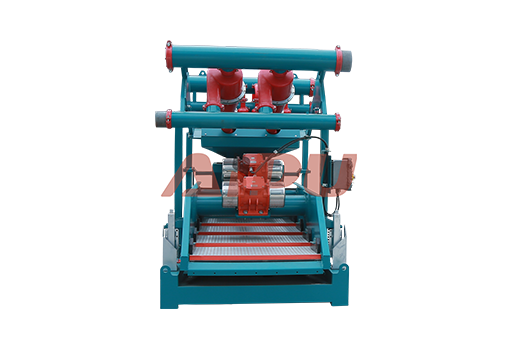
A mud cleaner's efficiency is determined by the synergy of its core subsystems:
-
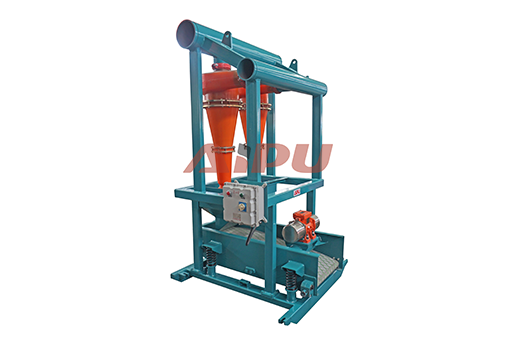
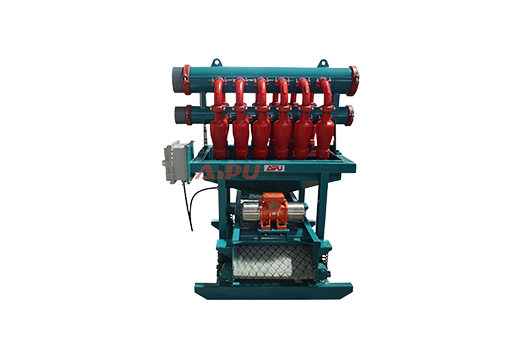
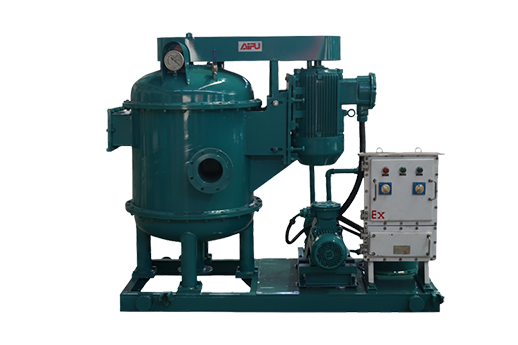
Hydrocyclone Array – The Heart of Separation:
-
Cone Sizing and Capacity: The size (diameter) of the cones dictates the separation cut point and individual flow capacity. A standard configuration uses 10-inch cones for desanding (90-120 m³/h each) and 4-inch cones for desilting (12-15 m³/h each).
-
Manifold Design: A well-designed manifold ensures even feed distribution to each cone, preventing overload and optimizing overall separation efficiency.
-
Material Science: Cones are typically made from cast polyurethane or lined with wear-resistant materials. The quality of the polyurethane directly affects abrasion resistance and service life.
-
-
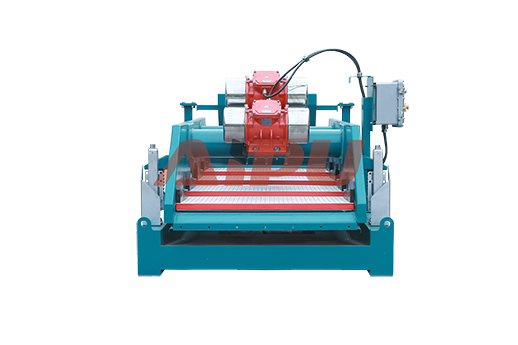
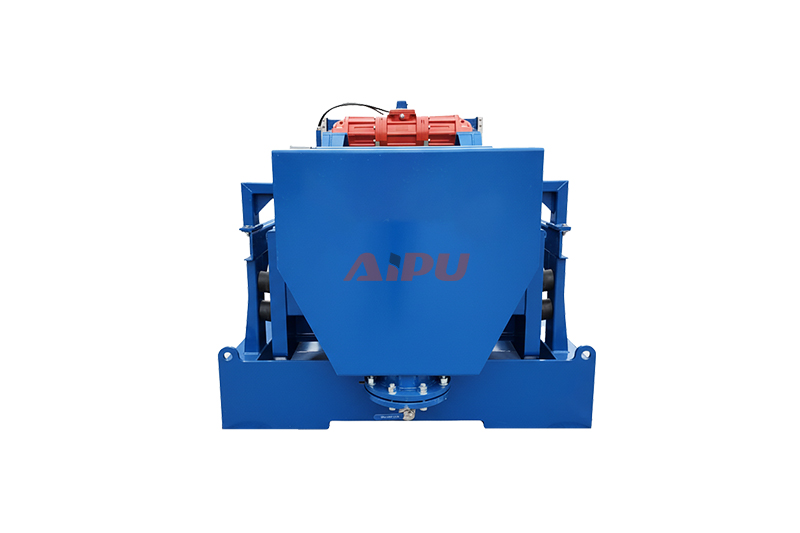
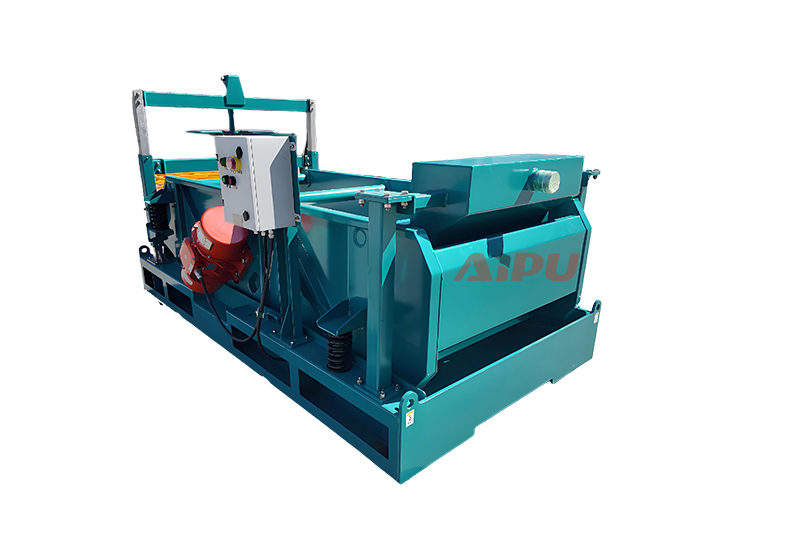
The Bottom Shaker – The Key to Recovery:
-
Screen Panel Technology: Modern composite screens offer higher fluid throughput and better anti-blinding properties than traditional steel-backed screens. The mesh size (e.g., 120-200) must be fine enough to capture solids but open enough to allow rapid dewatering.
-
Vibration Mechanics: The shaker must provide sufficient vibratory force (G-force) and a suitable motion (linear or elliptical) to convey solids while allowing fluid to pass through efficiently.
-
-
Structural and Auxiliary Systems:
-
Feed and Suction Pumps: Adequate pump pressure (typically 0.25-0.45 MPa) is critical for hydrocyclone operation.
-
Support Structure and Hopper: The unit must be robust to handle vibration and facilitate easy access for maintenance.
-
Measuring Mud Cleaner Efficiency: Key Performance Indicators (KPIs)
Evaluating a mud cleaner goes beyond its stated flow rate. Key KPIs include:
-
Solids Removal Efficiency: The percentage of target-sized particles (e.g., 15-44μm for desilting) removed from the feed stream.
-
Fluid Recovery Rate: The volume of clean drilling fluid recovered by the bottom shaker from the hydrocyclone underflow. A high recovery rate minimizes liquid waste.
-
Dewatering Performance: The dryness of the discharged solids, often measured by weight-percent solids. Drier cuttings reduce disposal costs.
-
Operational Uptime & Maintenance Intervals: Reliability and ease of maintenance directly impact total cost of ownership.
Advanced Operational Strategies and Best Practices
To maximize the return on a mud cleaner investment, consider these operational strategies:
-
Phased Configuration: During top-hole drilling with high solids volumes, operators might use only the desander cones. In later phases, both desander and desilter cones can be engaged for finer control. Modular mud cleaners facilitate this adaptation.
-
Integration with the Fluid System: The mud cleaner should be placed correctly in the tank sequence, receiving fluid from the shale shaker compartment and discharging clean fluid to the centrifuge feed or suction compartment.
-
Monitoring and Adjustment: Regular checks of feed pressure, underflow pattern (a "spray" discharge indicates proper operation), and screen condition are essential for optimal performance.
Navigating Specifications: A Guide to Interpreting Mud Cleaner Models
Understanding model nomenclature is crucial. For example, a Hunter240B mud cleaner from Aipu indicates a base capacity targeting 240 m³/h. The specifications will detail:
-
Cone Array: e.g.,
10"×2(two 10-inch desander cones) and4"×12(twelve 4-inch desilter cones). -
Bottom Shaker Type: e.g., A Hunter-MG4 shaker with 2.7 m² of screen area.
-
Motor Power: Specified for both the hydrocyclone feed pump and the shaker vibrators.
Aipu Solids Control: Delivering Technical Excellence in Mud Cleaning
Aipu Solids Control designs its mud cleaners with a focus on technical precision and operational practicality, ensuring each unit delivers on its performance specifications.
Technical Highlights of Aipu Mud Cleaners:
-
Optimized Hydrocyclone Design: Aipu utilizes high-efficiency polyurethane cones with precise internal geometries to maximize centrifugal separation and throughput.
-
Flexible, Heavy-Duty Construction: The support structure is engineered for stability. Configurations like the "B" series in Hunter models offer different shaker options (e.g., Hunter-D series for linear motion, Hunter-MG for elliptical) to match processing needs.
-
Clear and Actionable Specifications: Aipu provides detailed technical parameters, from separation points (15-74μm) to working pressures, empowering clients to make informed selections.
Why Technical Teams Trust Aipu:
-
Design Transparency and Customization: Aipu works closely with client engineering teams to tailor configurations. This includes selecting motor brands, adjusting electrical systems for local voltage/frequency, and choosing appropriate surface treatments for corrosive environments.
-
Focus on Operational Reliability: Features like clamp-type cone connections allow for quick replacement, minimizing downtime. Durable construction ensures consistent performance across extended drilling campaigns.
-
Backed by Empirical Data: The performance of Aipu equipment is proven in over 300 field deployments across more than 30 countries, providing a wealth of real-world data that informs continuous product improvement and reliable operation.
-
Holistic System View: Aipu engineers understand that a mud cleaner is one node in a larger system. They provide expertise on how to integrate the unit for maximum contribution to overall solids control efficiency.
In the technically demanding world of drilling, the mud cleaner is a precision instrument for cost management. A deep technical understanding of its components and operation, combined with a partnership with a technically proficient manufacturer like Aipu Solids Control, enables drilling teams to optimize fluid performance, protect capital equipment, and achieve significant operational savings.
Related Products