What is a Mud Cleaner? The Essential Component in Drilling Fluids Solids Control
What is a Mud Cleaner? The Essential Component in Drilling Fluids Solids Control
In the complex ecosystem of drilling operations, maintaining the properties of drilling fluid (mud) is paramount. Efficient solids control is the backbone of this process, and a key player in this system is the mud cleaner. This article provides a comprehensive look at mud cleaners, their function, and their indispensable role in modern drilling.
Understanding the Mud Cleaner
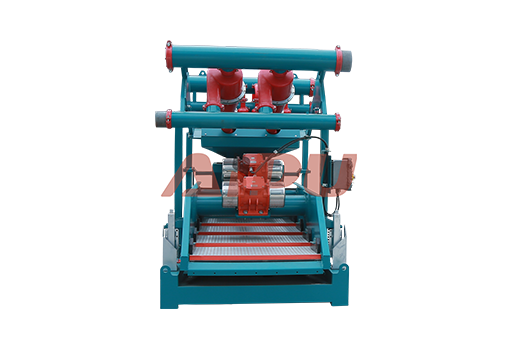
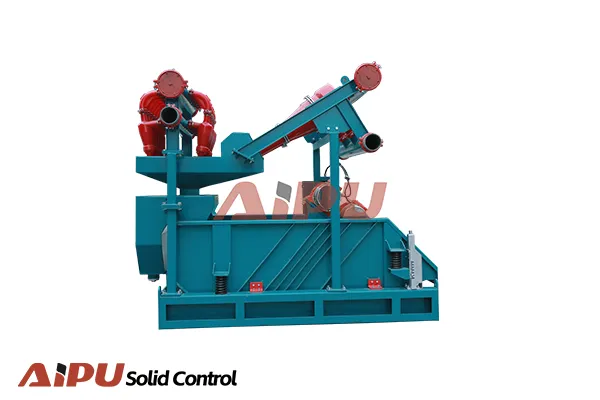
A mud cleaner is a hybrid solids control device that combines a desander cone (or a set of cones) with a fine-mesh vibrating screen. It is strategically placed in the solids control equipment sequence after the shale shakers and degassers, but before the centrifuges. Its primary mission is to remove fine, abrasive solids (typically in the 15-75 micron range) that are too small for shale shakers to capture but can be detrimental if left in the drilling fluid system.
How Does a Mud Cleaner Work?
The operation is a two-stage process:
-
Hydrocyclone Separation: The weighted drilling fluid, laden with fine solids, is pumped under pressure into the hydrocyclone cones. The centrifugal force inside the cone throws the heavier solids to the walls and down to the apex (underflow), while the cleaned fluid moves upward and exits through the vortex finder (overflow).
-
Screen Filtration: The underflow from the hydrocyclones, which is a slurry of solids and valuable liquid, is discharged directly onto a fine-mesh vibrating screen (usually 150-200 mesh). The screen recovers the liquid phase and any ultra-fine barite (weighting material), returning them to the active mud system. The discarded dry solids are conveyed away.
Key Components and Design
-
Hydrocyclone Assembly: A bank of 10-inch or 4-inch cones designed to generate high centrifugal forces.
-
Vibrating Screen: A high-frequency, fine-mesh screen mounted beneath the hydrocyclones to process their underflow.
-
Manifold and Feed Header: Evenly distributes the mud to each hydrocyclone.
-
Collection Troughs and Tanks: Directs separated fluids back to the mud system.
Why is the Mud Cleaner Critical?
-
Protects Downstream Equipment: By removing fine abrasives, it reduces wear on centrifugal pumps and centrifuge components.
-
Preserves Drilling Fluid Properties: Uncontrolled fine solids increase viscosity, yield point, and filter cake thickness, harming drilling efficiency. Mud cleaners help maintain optimal fluid rheology.
-
Saves Weighting Material: The fine screen salvages valuable barite, significantly reducing mud costs.
-
Enhances Drilling Performance: Cleaner mud leads to better rate of penetration (ROP), reduced torque and drag, and improved hole stability.
-
Environmental Compliance: Efficient solids removal minimizes waste volume and associated disposal costs.
In summary, the mud cleaner is a versatile and economic workhorse in the solids control hierarchy. It fills the critical performance gap between shale shakers and centrifuges, ensuring that drilling fluid remains in peak condition for safe, efficient, and cost-effective drilling operations. Understanding its function is key to optimizing the entire solids control process.
Related Products