What Does a Shale Shaker Do? Core Functions & AIPU’s High-Performance Solutions
In oil and gas drilling, a shale shaker is the primary and most critical component of the solids control system—often called the “first line of defense” for drilling fluid purification. Its core purpose is to separate solid particles (drilling cuttings, sand, and debris) from drilling fluid (mud) as soon as the fluid returns to the surface, ensuring the fluid remains clean and functional for reuse. Beyond basic separation, shale shakers play a pivotal role in optimizing drilling efficiency, reducing operational costs, and minimizing environmental impact. Below is a detailed breakdown of what a shale shaker does, paired with insights into how AIPU’s (Shaanxi Aipu Solids Control Co., Ltd.) shale shakers excel at these functions.
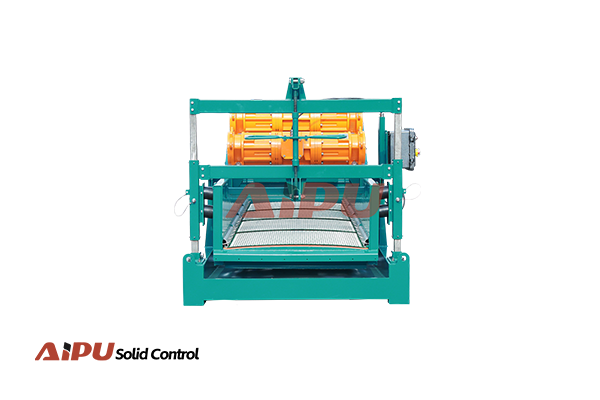
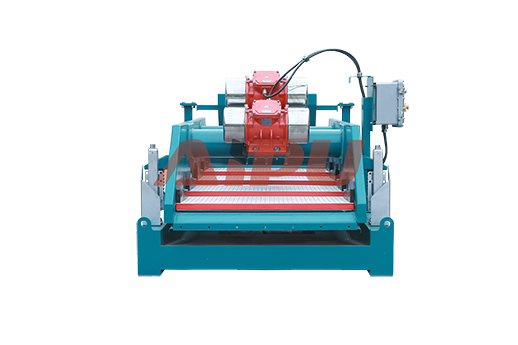
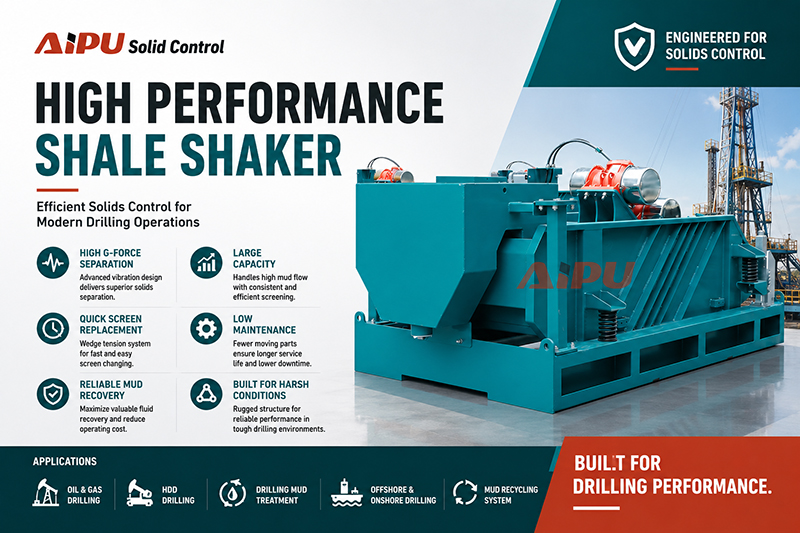
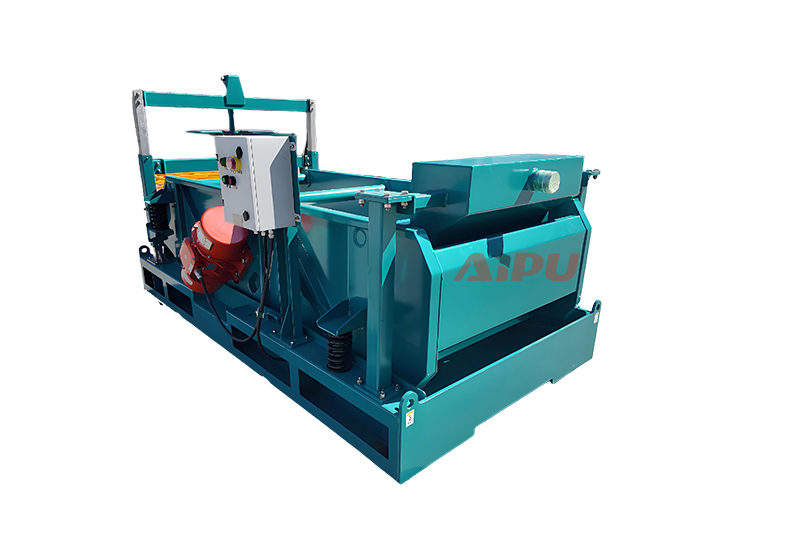
AIPU’s shale shakers (e.g., the HUNTER-MG series) elevate this function with high-G force vibration and a large screen area (up to 2.7m²). These features enable them to process 120m³/h to 420m³/h of drilling fluid, removing over 98% of particles larger than 74μm—far exceeding industry averages. The flexible deck angle adjustment (-1 to +5°) ensures even high-viscosity fluid flows smoothly, preventing screen clogging and maintaining consistent separation.
AIPU’s rigorous separation efficiency means downstream equipment handles only fine particles (typically <74μm), extending their service life by up to 50%. For example, AIPU’s Hunter-MGD Dual-Motion Shale Shaker (180m³/h capacity) produces drier cuttings and cleaner fluid, ensuring subsequent centrifuges and mud cleaners operate at peak performance with minimal maintenance.
AIPU’s shale shakers boost drilling fluid recycling rates to 94% by removing contaminants efficiently. This translates to significant savings: for a 100-day drilling project, an AIPU HUNTER-MG can save up to 1,700m³ of drilling fluid, cutting procurement costs by $50,000-$100,000. The company’s quick-replace screen design (available in steel or composite frames) also ensures consistent fluid quality by minimizing downtime during screen changes.
AIPU’s shale shakers further reduce costs with energy-efficient motors (Ital-Vibras/Martin/Oli options) that cut power consumption by 15-20%, and durable, wear-resistant components (heat-treated baskets, corrosion-resistant coatings) that lower annual maintenance costs by 30% compared to industry standards.
AIPU’s shale shakers excel at adaptability: the Hunter-MGD model switches seamlessly between vibration modes (via 2 specialized motors) to handle fluctuating fluid properties and cuttings volumes. Customization options (e.g., dual-tandem configurations, ATEX/IEC-certified electrical systems, H2S-resistant steel) allow AIPU’s shakers to meet the unique demands of any project, from small onshore wells to large offshore drilling operations.
1. Primary Solid-Liquid Separation: The Core Task
The fundamental job of a shale shaker is to separate solid cuttings (produced when the drill bit grinds rock formations) from drilling fluid. As contaminated drilling fluid flows onto the shale shaker’s vibrating screen, the screen’s mesh filters out solid particles while allowing clean fluid to pass through and return to the circulation system.AIPU’s shale shakers (e.g., the HUNTER-MG series) elevate this function with high-G force vibration and a large screen area (up to 2.7m²). These features enable them to process 120m³/h to 420m³/h of drilling fluid, removing over 98% of particles larger than 74μm—far exceeding industry averages. The flexible deck angle adjustment (-1 to +5°) ensures even high-viscosity fluid flows smoothly, preventing screen clogging and maintaining consistent separation.
2. Protect Downstream Solids Control Equipment
Shale shakers reduce the burden on downstream equipment (desanders, desilters, centrifuges, etc.) by removing the majority of large and medium-sized solids first. Without effective pre-separation, fine particles would wear down or clog downstream machinery, leading to frequent breakdowns, costly repairs, and unplanned downtime.AIPU’s rigorous separation efficiency means downstream equipment handles only fine particles (typically <74μm), extending their service life by up to 50%. For example, AIPU’s Hunter-MGD Dual-Motion Shale Shaker (180m³/h capacity) produces drier cuttings and cleaner fluid, ensuring subsequent centrifuges and mud cleaners operate at peak performance with minimal maintenance.
3. Preserve Drilling Fluid Quality & Maximize Reuse
Drilling fluid is a high-cost, critical resource that cools the drill bit, lubricates the drill string, stabilizes wellbores, and carries cuttings to the surface. A shale shaker’s ability to purify the fluid directly impacts its reusability—reducing the need to purchase new fluid and lowering waste disposal costs.AIPU’s shale shakers boost drilling fluid recycling rates to 94% by removing contaminants efficiently. This translates to significant savings: for a 100-day drilling project, an AIPU HUNTER-MG can save up to 1,700m³ of drilling fluid, cutting procurement costs by $50,000-$100,000. The company’s quick-replace screen design (available in steel or composite frames) also ensures consistent fluid quality by minimizing downtime during screen changes.
4. Reduce Operational Costs & Environmental Impact
By maximizing fluid reuse and protecting equipment, shale shakers directly lower two major operational expenses: fluid procurement and maintenance. Additionally, drier separated cuttings (a hallmark of AIPU’s dual-motion technology) reduce waste volume by 40%, slashing transportation and disposal costs while complying with environmental regulations.AIPU’s shale shakers further reduce costs with energy-efficient motors (Ital-Vibras/Martin/Oli options) that cut power consumption by 15-20%, and durable, wear-resistant components (heat-treated baskets, corrosion-resistant coatings) that lower annual maintenance costs by 30% compared to industry standards.
5. Adapt to Diverse Drilling Conditions
Drilling environments vary widely—from offshore platforms to desert wells, and from low-viscosity water-based mud to heavy oil-based mud. A high-quality shale shaker must adapt to these changes to maintain performance.AIPU’s shale shakers excel at adaptability: the Hunter-MGD model switches seamlessly between vibration modes (via 2 specialized motors) to handle fluctuating fluid properties and cuttings volumes. Customization options (e.g., dual-tandem configurations, ATEX/IEC-certified electrical systems, H2S-resistant steel) allow AIPU’s shakers to meet the unique demands of any project, from small onshore wells to large offshore drilling operations.
How AIPU Shale Shakers Excel at Their Core Functions
AIPU’s decade of expertise in solids control systems ensures its shale shakers don’t just perform basic separation—they optimize every aspect of the process. Backed by APIQ1, ISO, and HSE certifications, AIPU’s products deliver consistent, reliable performance in the harshest conditions. Whether it’s the HUNTER-MG’s high throughput, the Hunter-MGD’s adaptability, or the brand’s global service support, AIPU’s shale shakers redefine what a shale shaker can do—driving efficiency, reducing costs, and supporting sustainable drilling practices worldwide.Related Products