Strategies for Shale Shaker Efficiency Improvement: Maximizing Performance and Reducing Costs
Efficiency is the cornerstone of effective solids control in drilling operations. As the primary equipment in mud systems, shale shakers directly impact drilling fluid quality, equipment longevity, and operational costs. This article explores actionable strategies to enhance shale shaker efficiency, leveraging advanced technologies, operational best practices, and data-driven innovations—with insights from industry leader AIPU’s engineering breakthroughs.
1. Advanced Screening Technology Optimization
High-G Force Utilization
-
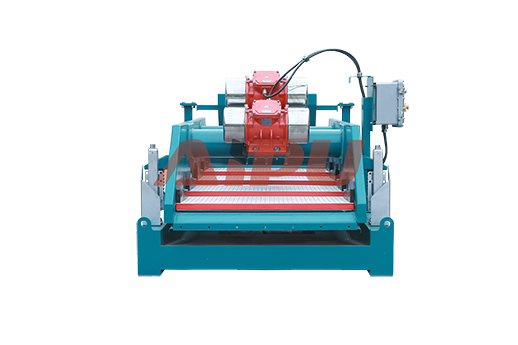
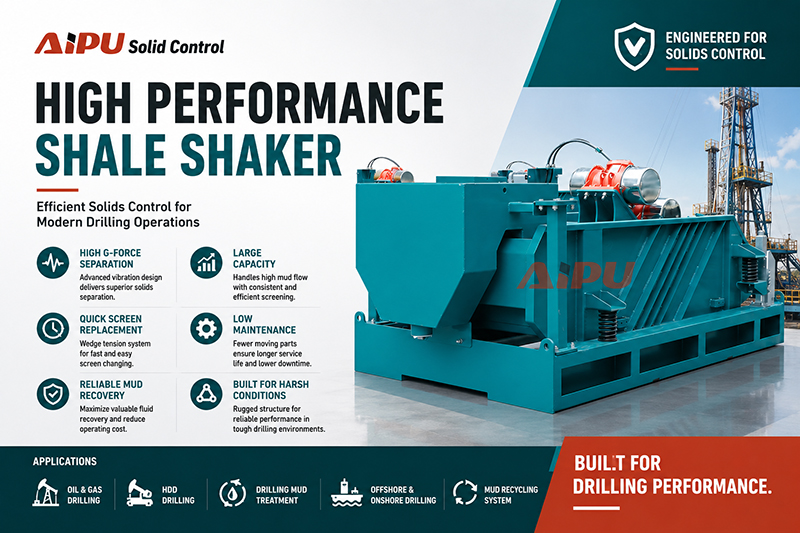
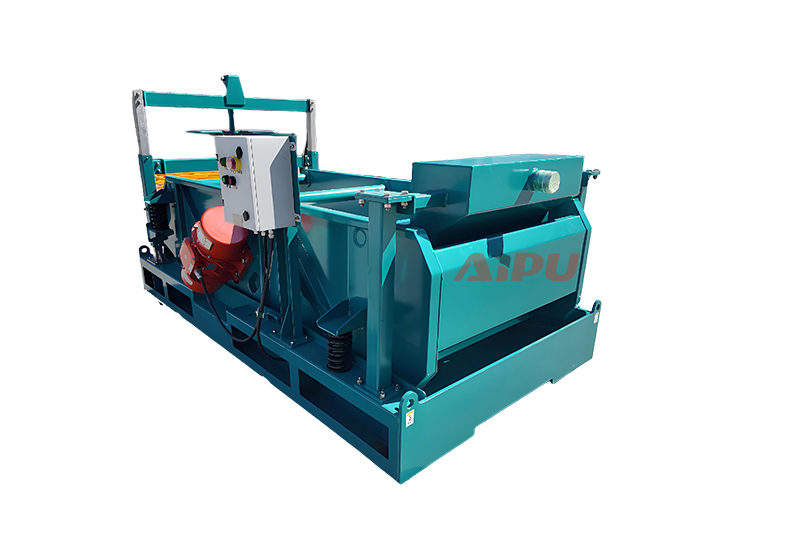
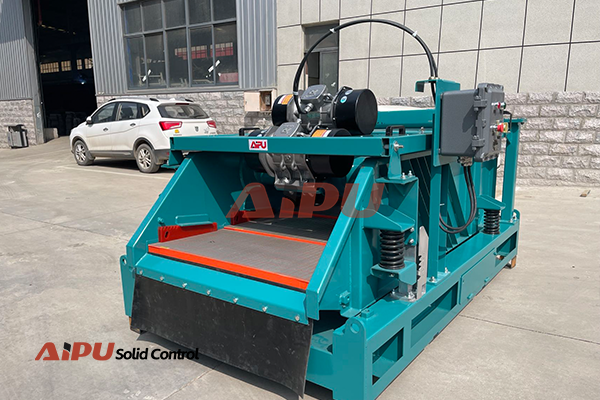
Modern shale shakers like AIPU’s Hunter-MG series employ vibrations up to 7 G-force, significantly improving solids separation for particles as fine as 44 microns.
-
Benefit: Higher G-forces increase fluid throughput while maintaining separation precision, reducing screen blinding and downtime.
Dual-Motion Flexibility
-
AIPU’s Hunter-MGD model allows operators to switch between linear motion (for high-volume processing) and elliptical motion (for sticky solids).
-
Application: Adapting vibration patterns in real-time to formation changes minimizes particle re-entry into mud.
Screen Selection and Layering
-
Combine coarse (40-80 mesh) and fine (150-200 mesh) screens in multi-deck systems to achieve staged separation.
-
AIPU Innovation: Quick-replace composite screens with tensioning systems ensure optimal contact with vibrations, boosting liquid recovery by 15%.
2. Operational Workflow Enhancements
Flow Rate Management
-
Maintain consistent feed rates within the shaker’s designed capacity (e.g., 180 m³/h for Hunter-MG5). Overloading causes fluid loss, while underloading wastes energy.
-
Tool Integration: Use AIPU’s mud agitators and centrifugal pumps to stabilize inflow and prevent surge-related inefficiencies.
Deck Angle Adjustments
-
Adjustable deck angles (-1° to +5° in AIPU shakers) control solids retention time. Steeper angles accelerate discharge but risk fluid loss; flatter angles improve drying but may reduce throughput.
-
Best Practice: Monitor cuttings dryness and adjust angles incrementally based on real-time observations.
Pre-Screening and Fluid Conditioning
-
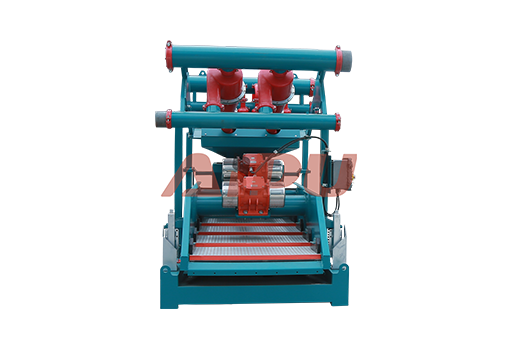
Install pre-cleaners (e.g., gumbo removal systems) upstream to prevent screen clogging. Use chemical additives to reduce mud viscosity and enhance screening efficiency.
3. Maintenance and Lifecycle Management
Preventive Maintenance Protocols
-
Daily Checks: Inspect screen integrity, motor mounts, and vibration motors for wear. AIPU’s quick-release designs enable sub-10-minute screen changes.
-
Data Tracking: Record screen life, motor performance, and G-force metrics to predict failures. For example, AIPU’s Hunter series offers IoT-ready sensors for predictive analytics.
Component Durability Upgrades
-
AIPU uses heat-treated baskets, stainless steel fasteners, and abrasion-resistant coatings to extend shaker lifespan in corrosive environments.
-
Cost Impact: Reduced part replacement frequency cuts operational expenses by up to 20%.
4. System-Level Integration for Holistic Efficiency
Synergy with Downstream Equipment
-
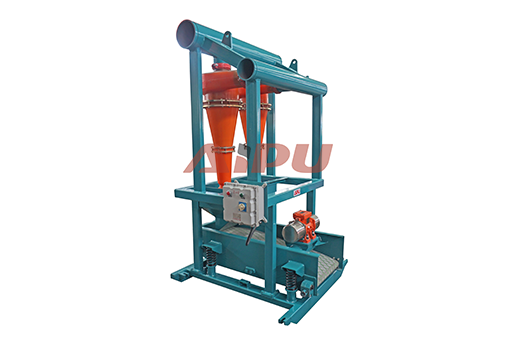
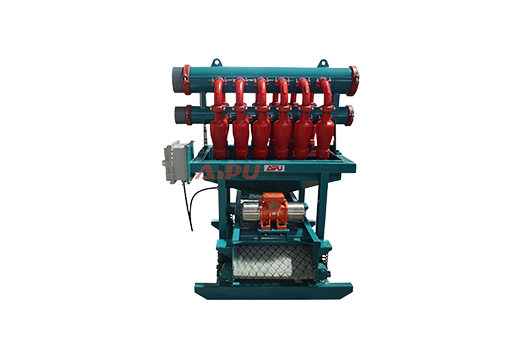
Pair shale shakers with desanders (e.g., AIPU’s APCS series) and centrifuges (e.g., APLW series) to create a multi-stage purification chain. This prevents overloading of finer separation units.
-
Case Study: In AIPU’s ZJ90 system, optimized sequencing reduces total waste volume by 30% while improving mud reuse rates.
Energy Efficiency Innovations
-
AIPU’s hydraulic-driven centrifuges and VFD-controlled motors adjust power consumption based on real-time load, lowering energy use by 15–25%.
5. AIPU’s Engineering Solutions for Peak Efficiency
Customization for Specific Formations
-
AIPU tailors screen mesh, motor power (e.g., Ital-Vibras 1.5–1.94 kW motors), and deck configurations to match regional drilling challenges—from sticky clay in Asia to abrasive sands in the Middle East.
Intelligent Control Systems
-
Automated feedback mechanisms adjust vibration intensity and deck angle based on mud density sensors. AIPU’s future roadmap includes AI-driven analytics for predictive maintenance.
Field-Proven Performance Metrics
-
Hunter-MG4 users report a 40% reduction in screen change frequency and 18% lower mud consumption due to optimized fluid recovery.
6. Environmental and Cost Impacts
Waste Reduction
-
High-efficiency screening produces drier cuttings, reducing transportation and disposal costs by up to 35%.
ROI Calculation
-
Investing in advanced shakers like AIPU’s Hunter series yields payback within 6–12 months via mud savings, reduced downtime, and extended equipment life.
Conclusion
Shale shaker efficiency is not merely a technical metric—it is a strategic lever for cost control, environmental compliance, and operational excellence. By integrating advanced technologies (e.g., high-G forces, dual-motion systems), optimizing workflows, and adopting proactive maintenance, operators can achieve transformative gains. AIPU’s innovations demonstrate that the future of shale shaker performance lies in smarter, adaptive, and integrated solutions tailored to the evolving demands of global drilling.
Related Products