What is a Shale Shaker: A Comprehensive Guide
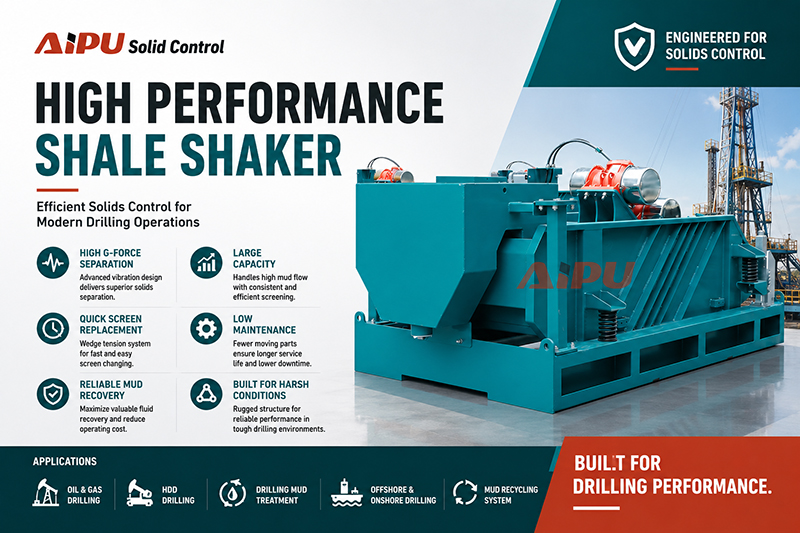
A shale shaker is a critical piece of equipment in the drilling industry, serving as the primary and first stage of the solids control system on a drilling rig. Its primary function is to remove large, coarse drill cuttings – the broken bits of rock – from the drilling fluid (commonly called "mud") that circulates during the drilling process. By efficiently separating solids from the liquid, it ensures the drilling fluid can be reused, maintaining its essential properties and ensuring safe, efficient, and cost-effective drilling operations.
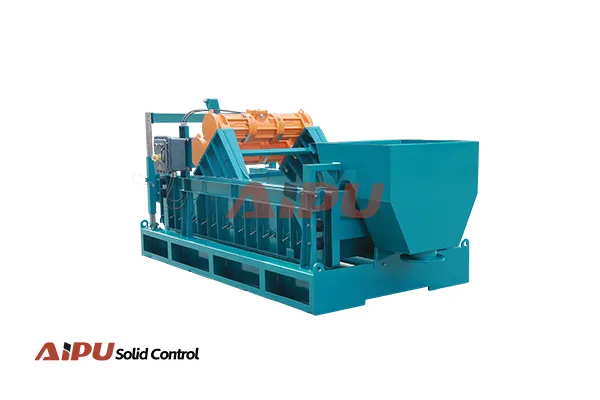
How Does a Shale Shaker Work?
The operating principle is based on vibratory screening.
-
Inflow: The drilling fluid, laden with cuttings of various sizes, is pumped from the wellbore onto the shaker screen, a mesh panel stretched over a vibrating basket.
-
Vibration: Powerful, high-speed vibrators (typically linear or elliptical motion motors) shake the screen basket at a high frequency. This vigorous agitation fluidizes the mud.
-
Separation: Liquid and particles smaller than the screen mesh (screen size) pass through the screen and are collected in a tank below for further processing. Larger solid cuttings are unable to pass through and are conveyed along the sloped, vibrating screen deck.
-
Discharge: The separated drill cuttings are transported to the end of the screen and discharged over the side into a dedicated collection pit or container, while the cleaned fluid flows forward for further treatment or immediate reuse.
Key Components and Structure
-
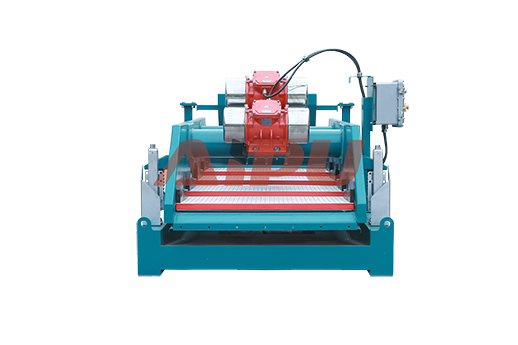
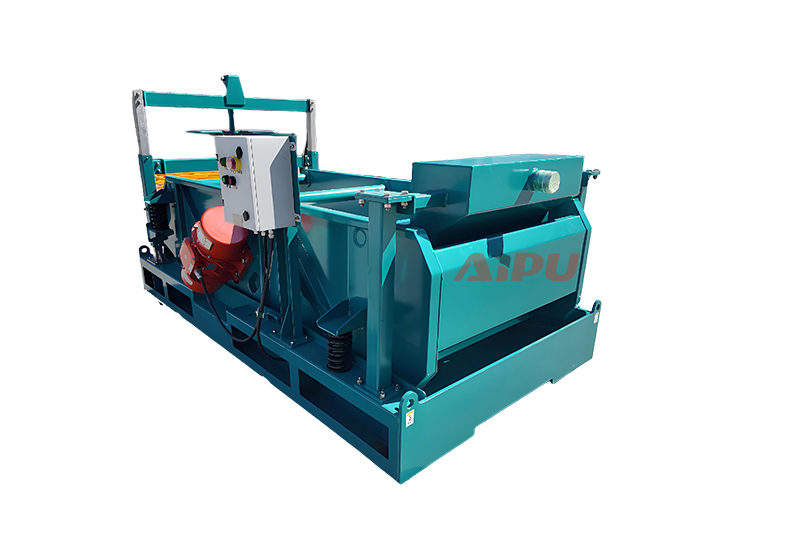
Screen Basket: The angled bed that holds the screening surface. Its slope and vibration pattern determine the solids conveyance.
-
Shaker Screens: The replaceable mesh panels, crucial for separation efficiency. They are defined by mesh count (number of openings per linear inch) and API screen designation. Screens can be single-layer or multi-layer composite panels.
-
Vibrator Motors: Generate the high-frequency, high "G-force" vibration. Linear motion shakers are common for finer screening, while elliptical motion shakers are often used for heavier fluid loads.
-
Feed Box/Diverter: Where the mud first hits the screen, distributing the flow evenly to prevent screen wear and maximize screen area usage.
-
Base/Skid: The sturdy frame that supports the entire unit and integrates it into the solids control system, often called the "mud tank" or "possum belly."
Types of Shale Shakers
Shakers are primarily categorized by their motion and screen configuration:
-
Elliptical Motion Shakers: The traditional type, using a circular/elliptical motion. Good for high flow rates and rugged conditions, but generally offer coarser separation.
-
Linear Motion Shakers: Use a straight-line, uphill vibration. Provide better solids conveyance and finer screening, making them the industry standard for most modern applications.
-
Balanced Elliptical Motion Shakers: A hybrid offering a controlled elliptical motion, balancing fluid handling capacity with fine screening.
-
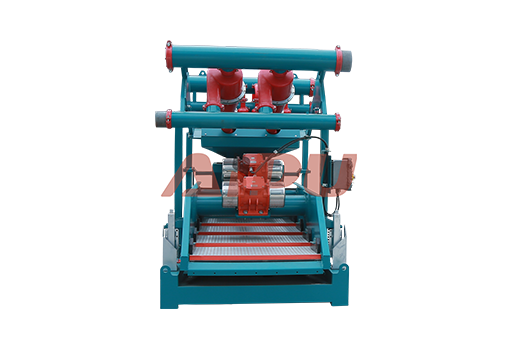
Multi-Deck Shakers: Feature stacked screens (e.g., a coarse screen on top of a fine screen) to increase separation efficiency and screen life.
Why is the Shale Shaker So Important?
The shale shaker is the workhorse of solids control, and its performance directly impacts the entire drilling operation:
-
Maintains Drilling Fluid Properties: Clean mud maintains its designed density, viscosity, and chemical properties, essential for wellbore pressure control, lubrication, and cuttings transport.
-
Protects Downstream Equipment: By removing large cuttings first, it prevents the overloading and rapid wear of more sensitive equipment like desanders, desilters, and centrifuges.
-
Reduces Costs: Efficient solids removal extends drilling fluid life, significantly reducing the need for costly fluid dilution or disposal. It also minimizes equipment wear and downtime.
-
Enhances Drilling Efficiency: Cleaner mud improves Rate of Penetration (ROP), reduces the risk of drill string sticking, and ensures better wellbore stability.
-
Environmental Compliance: Effective separation allows for proper disposal of drill cuttings and responsible management of drilling fluids, meeting environmental regulations.
Conclusion
In summary, a shale shaker is a vibrating sieve that performs the initial and vital solid-liquid separation in the drilling fluid cycle. It is a deceptively simple yet technologically advanced device foundational to modern drilling. Its effective operation is non-negotiable for safe, efficient, economical, and environmentally sound drilling. From exploratory wells to major production fields, the shale shaker remains the indispensable first line of defense in maintaining the integrity and performance of the drilling fluid system.
Related Products