What Is a Shale Shaker? The Ultimate Guide to Solids Control Equipment in Drilling Operations
In the demanding environment of oil and gas drilling, maintaining the integrity of drilling fluid (mud) is essential for safety, efficiency, and cost control. One piece of equipment stands out as the cornerstone of the entire solids control system: the shale shaker. Often described as the “first line of defense” on a drilling rig, the shale shaker plays a pivotal role in separating drill cuttings from circulating mud, ensuring the fluid remains reusable and downstream equipment is protected.
This comprehensive guide answers the question “What is a shale shaker?” in detail, covering its definition, working principle, types, key components, importance in drilling operations, maintenance best practices, and future trends. Whether you are a drilling engineer, rig operator, or industry professional, this article provides the in-depth knowledge needed to understand and optimize shale shaker performance.
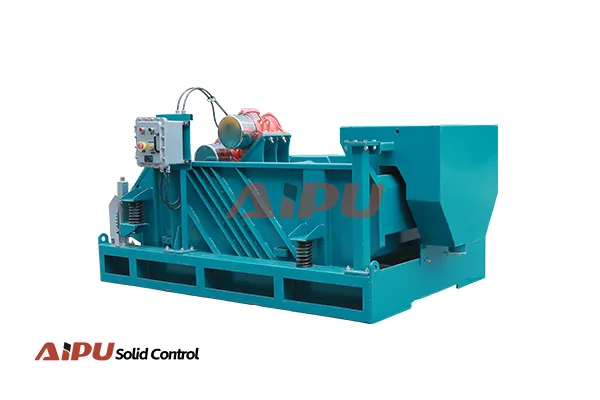
Understanding the Basics: What Is a Shale Shaker?
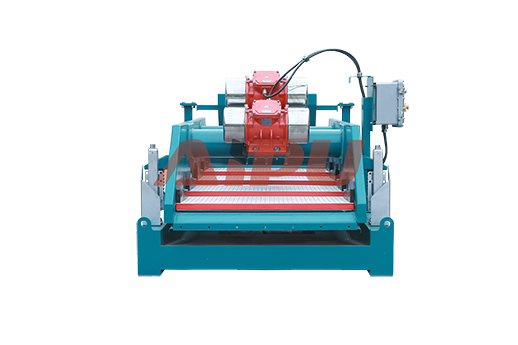
A shale shaker is a vibrating screening device installed on drilling rigs across the oil and gas, mining, coal cleaning, and geothermal industries. It forms the first phase of the solids control system, mechanically removing large drilled solids (cuttings) from the returning drilling fluid before the mud is recirculated back into the wellbore.
Without an effective shale shaker, drill cuttings would remain in the mud, leading to increased viscosity, abrasion of pumps and bits, reduced drilling rates, and higher disposal costs. In short, the shale shaker directly impacts wellbore stability, equipment longevity, and overall project economics.
How Does a Shale Shaker Work?
The operating principle of a shale shaker is straightforward yet highly engineered:
Mud Inlet and Distribution — Drilling fluid carrying rock cuttings flows from the wellbore through a flow line or possum belly into the shale shaker’s feeder (often a weir-type feeder). The fluid is evenly distributed across the screening surface.
Vibrational Separation — High-frequency vibrations generated by electric motors cause the screen basket to oscillate. This motion propels solids across the screen while allowing the liquid phase (mud) to pass through the mesh openings into the hopper below.
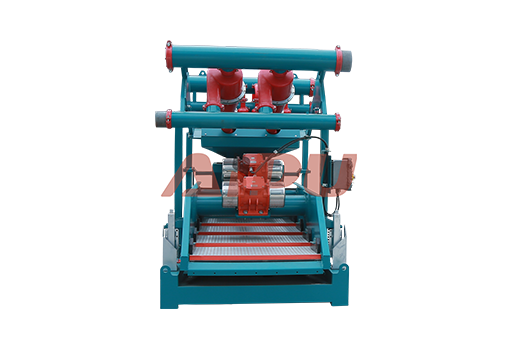
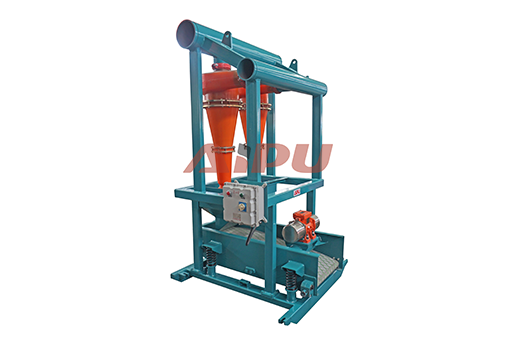
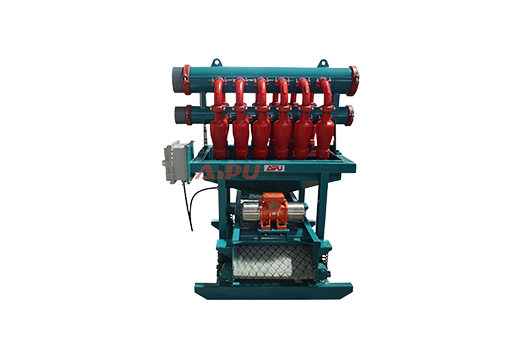
Solids Discharge — Larger cuttings travel to the end of the shaker deck and are discharged as “dry” solids for further treatment or disposal. The cleaned mud (underflow) is collected in the sand trap or mud tanks for secondary processing by desanders, desilters, or centrifuges.
The effectiveness depends on G-force (typically 4–7 G’s), screen mesh size, deck angle, and mud properties. Modern shakers can handle flow rates exceeding 1,000 gallons per minute (GPM) under optimal conditions.
Types of Shale Shakers: Choosing the Right Technology
Shale shakers are categorized by deck configuration and motion type. Understanding these differences helps operators select the best model for specific drilling conditions.
By Deck Configuration:
- Single-Deck Shale Shaker — Simplest and most cost-effective; ideal for low-volume or land rigs.
- Double-Deck Shale Shaker — Two stacked screens allow progressive separation (coarser on top, finer below); common on modern offshore and high-rate land rigs.
- Triple-Deck Shale Shaker — Highest capacity for ultra-deep or high-solids drilling; offers maximum throughput.
By Motion Type:
- Linear Motion — Most popular today. Two counter-rotating motors create a straight-line “throw” that moves solids aggressively forward. Excellent for high G-force and fine screening.
- Elliptical / Balanced Elliptical Motion — Provides a gentler, oval-shaped motion that reduces screen wear while maintaining good conveyance. Often used in sensitive formations.
- Circular Motion — Older design still found on some legacy rigs; less efficient with sticky clays.
- Dual-Motion Shakers — Advanced models that switch between linear and elliptical modes for optimal performance across varying mud weights and formations.
Key Components of a Shale Shaker
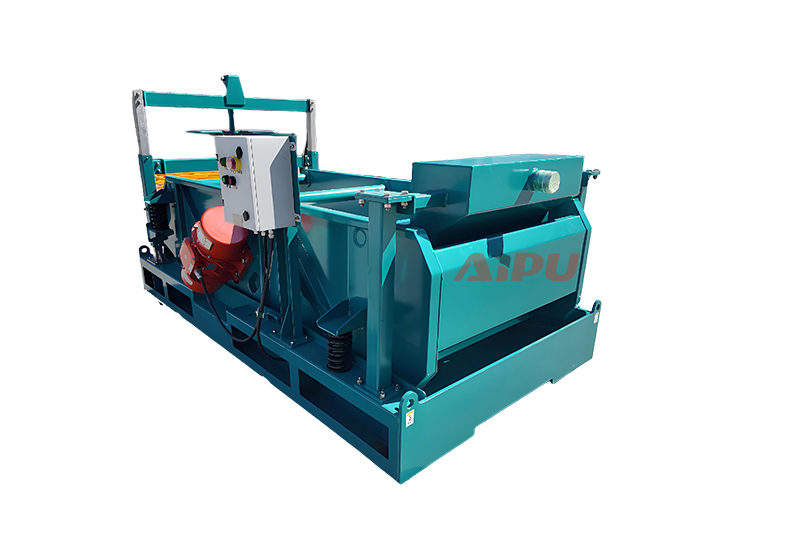
- A professional-grade shale shaker consists of several integrated parts:
- Hopper (Base) — Collects processed mud (underflow) and directs it to the next stage.
- Screen Basket / Bed — Holds the shaker screens and transfers vibrational energy evenly.
- Vibrator Motors — Usually explosion-proof electric motors that generate the required G-force.
- Shaker Screens — The “heart” of the unit. Available in hook-strip flat, pyramid, steel-frame, polyurethane, or composite designs. Screen performance is rated by API mesh size (e.g., API 80, API 200), which determines the cut point for particle removal.
- Feeder — Ensures uniform mud distribution to prevent screen flooding or dry spots.
- Deck Angle Adjuster — Allows operators to optimize the slope (usually 0–5°) for better conveyance or fluid capacity.
Why Shale Shakers Are Critical in Solids Control
The shale shaker is universally regarded as the most important device in the solids control system because every subsequent piece of equipment relies on the cleanliness of the mud it processes.
Key Benefits Include:
- Protects expensive downstream equipment (mud pumps, bits, desilters, centrifuges) from abrasive wear.
- Maintains optimal mud rheology, weight, and viscosity for efficient drilling.
- Reduces non-productive time (NPT) and drilling costs by enabling higher penetration rates.
- Minimizes environmental impact through better cuttings management and reduced waste volume.
- Improves overall rig safety by preventing stuck pipe and well control issues.
A well-maintained shale shaker can recover up to 80–90% of drilling fluid while removing the majority of drilled solids larger than the screen mesh.
Shale Shaker Screens: The Science of Separation
Screen selection is perhaps the single most important operational decision. Modern composite screens offer higher open area, longer life, and better resistance to blinding compared to traditional metal screens. Operators should always match screen API number to the formation being drilled and mud type (water-based vs. oil-based).
Best Practices for Shale Shaker Maintenance and Operation
- To maximize uptime and performance, follow these proven maintenance guidelines:
- Daily Checks: Inspect screens for tears, blinding, or proper tension. Clean with high-pressure water only—never use brushes or bars that can damage the mesh.
- Vibration Motors: Monitor for unusual noise or heat; lubricate according to manufacturer schedules.
- Structural Integrity: Check welds, bolts, rubber mounts, and deck angle mechanisms weekly.
- Screen Replacement: Change screens proactively when cut points degrade rather than waiting for failure.
- Operational Tips: Avoid flooding the shaker; adjust deck angle and G-force as mud properties change; ensure even flow distribution.
Consistent preventive maintenance can extend screen life by 30–50% and reduce overall solids control costs significantly.
Future Trends in Shale Shaker Technology
Innovation continues to evolve the shale shaker landscape:
- Smart sensors for real-time G-force, flow rate, and screen performance monitoring.
- Automated deck angle adjustment and screen tensioning systems.
- Eco-friendly designs with reduced noise and power consumption.
- Integration with AI-driven solids control optimization software.
These advancements promise even greater efficiency for deepwater, unconventional, and high-pressure/high-temperature (HPHT) drilling operations.
Conclusion: The Shale Shaker – Small Machine, Massive Impact
The shale shaker may appear as a simple vibrating sieve, but it is a sophisticated, high-performance machine that underpins every successful drilling operation. By efficiently removing drill cuttings at the very first stage of solids control, it protects equipment, preserves expensive drilling fluid, lowers costs, and supports environmental compliance.
Investing in the right shale shaker technology and maintaining it rigorously is not optional — it is a strategic necessity for any modern drilling program. Understanding what a shale shaker is and how to optimize its performance can be the difference between a profitable well and an expensive one.
FAQs
Q1: What is the primary function of a shale shaker?
A: To separate drill cuttings from drilling mud using vibration and screens as the first step in solids control.
Q2: How many shale shakers are typically used on a rig?
A: Most rigs use 2–4 units in parallel to handle total flow rates safely.
Q3: Can a shale shaker handle oil-based mud (OBM)?
A: Yes, with the correct screen type and motion; composite screens perform especially well with OBM.
Q4: What is the difference between linear and elliptical motion shakers?
A: Linear motion offers higher conveyance and G-force; elliptical provides gentler handling for sticky formations.
Related Products