What Is a Drilling Fluid Shale Shaker? A Comprehensive Overview
In the world of oil and gas exploration, the term "drilling fluid shale shaker" is fundamental to the vocabulary of drilling engineers, mud specialists, and rig operators. But for those new to the industry or seeking a deeper technical understanding, a clear definition is essential. This article provides a thorough explanation of what a drilling fluid shale shaker is, its critical role in the drilling process, and the technology that makes it indispensable.
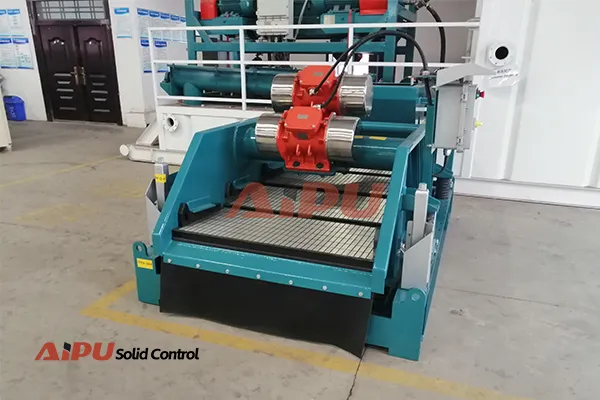
Definition of a Drilling Fluid Shale Shaker
A drilling fluid shale shaker is a primary solids control device used on drilling rigs to remove large solid particles—commonly referred to as drill cuttings—from the drilling fluid (also known as drilling mud) as it circulates out of the wellbore. It is the first piece of mechanical treatment equipment in the mud cleaning chain and is positioned directly at the flow line where mud returns from the well.
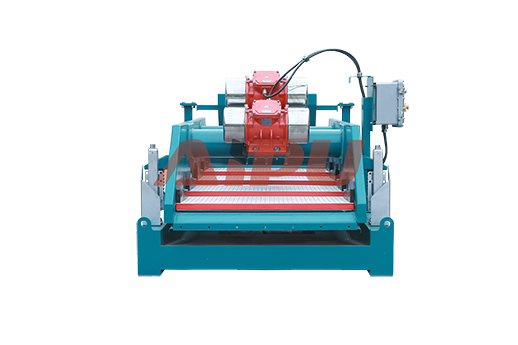
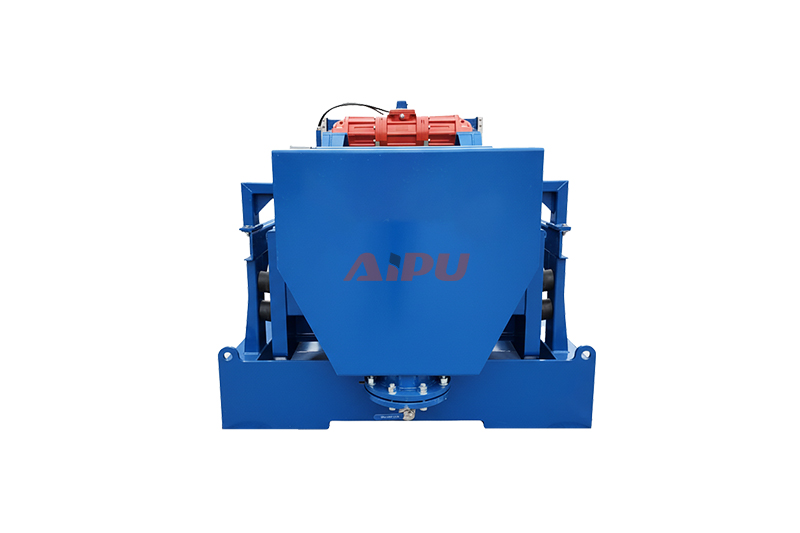
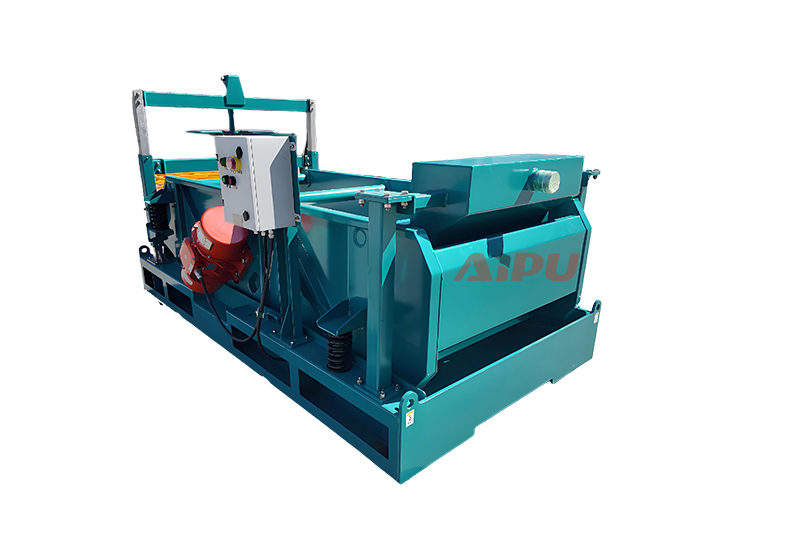
In essence, the shale shaker is a vibrating sieve. It consists of one or more vibrating screen decks mounted on a basket, powered by high-frequency vibratory motors. The drilling fluid, laden with formation cuttings, flows onto the screens. The vibration facilitates the passage of liquid and fine particles through the mesh, while the larger cuttings are retained on the screen surface and conveyed to a discharge point for disposal or further treatment.
The Anatomy of a Shale Shaker
To fully understand what a drilling fluid shale shaker is, it helps to visualize its core components:
-
Feed Box / Feeder: Distributes the returning mud evenly across the width of the screen, ensuring maximum utilization of the screening area.
-
Screen Basket: The frame that holds the screen panels and vibrates as a unit. It is typically constructed from heavy-duty steel to withstand high G-forces and abrasive materials.
-
Screen Panels: The replaceable filtering media. Modern shakers use pretensioned screens with precise API-defined mesh sizes to target specific cut points.
-
Vibratory Motors: The power source that creates the oscillating motion. These motors are strategically positioned to generate either linear or elliptical vibration patterns.
-
Deck Angle Adjustment: A mechanism allowing operators to change the slope of the basket, optimizing the balance between fluid retention and solids conveyance.
Where Does It Fit in the Drilling Fluid System?
Understanding the position of the shale shaker within the broader context of a drilling rig clarifies its purpose. Drilling fluid is pumped down the drill string, through the drill bit, and back up the annulus to the surface. As it exits the well, it passes through a flow line directly onto the shale shaker. After the shaker removes the coarse solids, the partially cleaned mud flows into the active mud tank system. From there, it may pass through finer solids control equipment—desanders, desilters, and centrifuges—before being recirculated downhole.
This placement makes the shale shaker the gatekeeper of the mud system. Its performance dictates the efficiency and longevity of all subsequent equipment and directly impacts overall drilling economics.
Why Is a Drilling Fluid Shale Shaker So Important?
The importance of this equipment cannot be overstated. Its functions include:
-
Protecting Downstream Equipment: Removing abrasive cuttings prevents accelerated wear on high-cost mud pumps, drill bits, and downhole tools.
-
Maintaining Mud Properties: Excessive drilled solids degrade drilling fluid rheology, increasing viscosity and chemical treatment costs. The shaker helps preserve the engineered properties of the mud.
-
Reducing Drilling Costs: By recovering valuable drilling fluid and reducing the volume of waste requiring disposal, the shaker contributes to significant operational savings.
-
Ensuring Operational Safety: Effective solids removal reduces the risk of stuck pipe incidents and improves wellbore stability.
AIPU Hunter-MG Series: Defining Modern Shale Shaker Technology
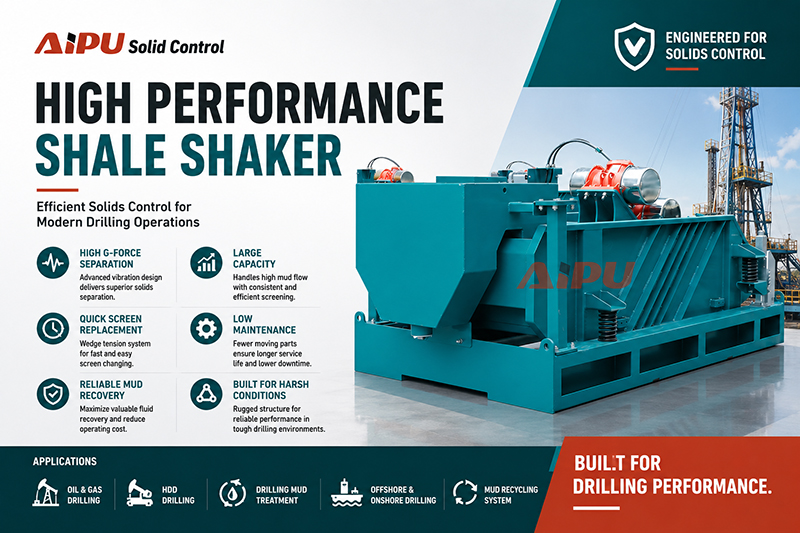
When exploring what a high-performance drilling fluid shale shaker looks like in practice, the AIPU Hunter-MG series provides a definitive example. Designed with over two decades of industry expertise, these shakers incorporate advanced features tailored to the demanding conditions of global drilling operations.
Robust Construction and High Capacity
The Hunter-MG lineup includes models ranging from the compact Hunter-Mini (1.35 m² screen area, 50 m³/h capacity) to the heavy-duty Hunter-MG4T (8.1 m² screen area, 420 m³/h capacity). This range ensures that regardless of rig size or mud flow rate, there is a Hunter-MG shaker configured for the task. The use of high-quality materials, strict sand-blasting procedures, and anti-corrosion coatings guarantees durability in the harshest environments.
Advanced Vibration Technology
Central to the definition of a modern shale shaker is its vibration technology. The Hunter-MG series utilizes powerful vibratory motors from globally trusted brands such as Italvibras, Martin, and Oli. These motors deliver consistent G-forces (typically 6.0–7.0G) and double amplitudes of 5–6 mm, ensuring efficient solids stratification and fluid throughput.
For operations requiring maximum adaptability, the Hunter-MGD dual-motion shaker offers a unique capability: the ability to switch between balanced elliptical motion and linear motion during operation. This advanced design concept, achieved with only two motors, allows the shaker to adapt instantly to changing formation characteristics—whether dealing with sticky, reactive clays or hard, abrasive rock.
Operational Flexibility
A defining characteristic of the Hunter-MG series is its adjustable deck angle (-1° to +5°), which enables real-time optimization of solids conveyance speed and fluid retention time. Additionally, screen panels are available in both steel-framed and composite-framed options, and electrical systems can be customized for 380V/50Hz or 460V/60Hz power supplies.
Conclusion
So, what is a drilling fluid shale shaker? It is far more than a simple vibrating screen. It is a precision-engineered, first-stage solids control device that safeguards the entire drilling operation. By removing harmful drill cuttings from the circulating mud, it protects expensive equipment, preserves vital fluid properties, and reduces both costs and environmental impact. The AIPU Hunter-MG series embodies the modern standard for this essential technology, delivering the reliability and performance that drilling contractors demand.
Related Products