Revolutionize Your Drilling with Modern Systems
In the high - stakes world of drilling operations, the solids control system plays a pivotal role in optimizing performance, especially when facing extreme pressure conditions. This system is designed to separate and manage solid particles from the drilling fluid, ensuring smooth and efficient drilling processes.
Importance of Solids Control Under Pressure
Under pressure, the drilling environment becomes more challenging. Excessive solids in the drilling fluid can lead to increased wear and tear on drilling equipment, reduced drilling rates, and even wellbore instability. A well - functioning solids control system helps maintain the properties of the drilling fluid, such as density and viscosity. By removing unwanted solids, it prevents blockages in the drill bit and other critical components, allowing for continuous and effective drilling. This not only saves time but also reduces the overall cost of the drilling operation.
Components of a Solids Control System
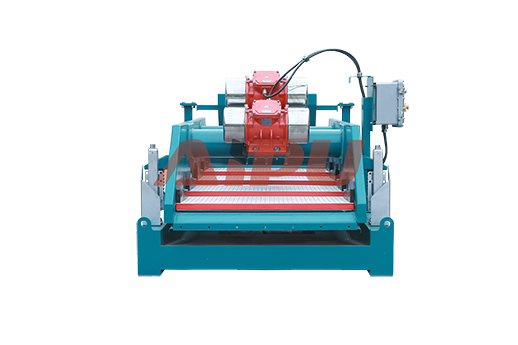
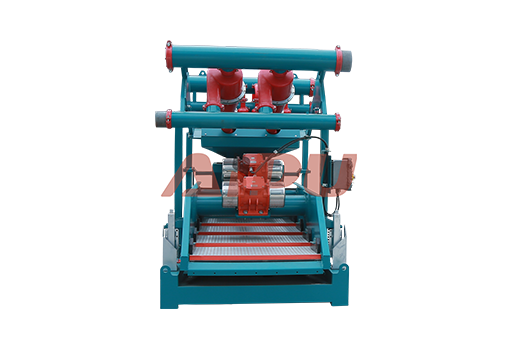
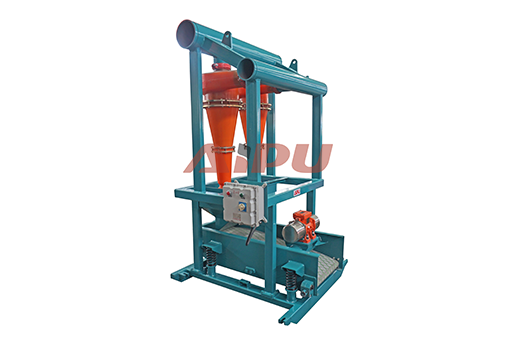
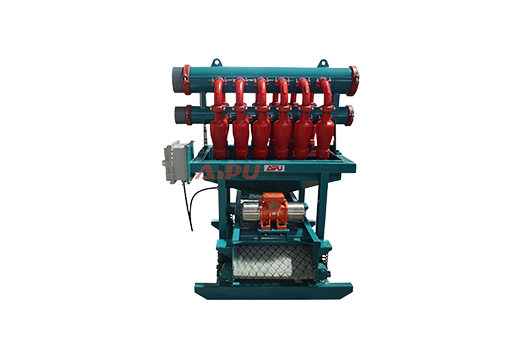
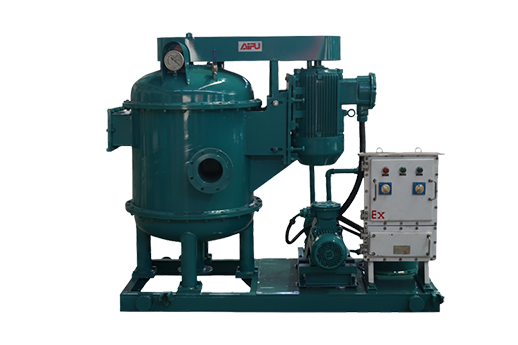
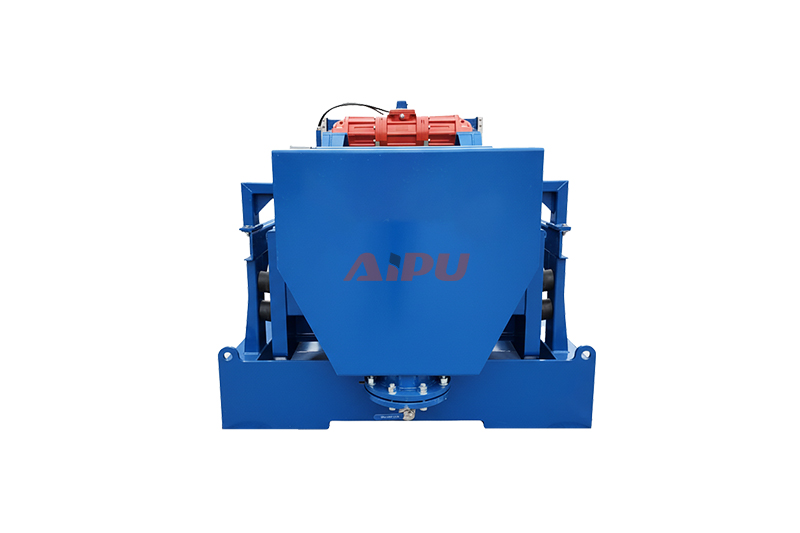
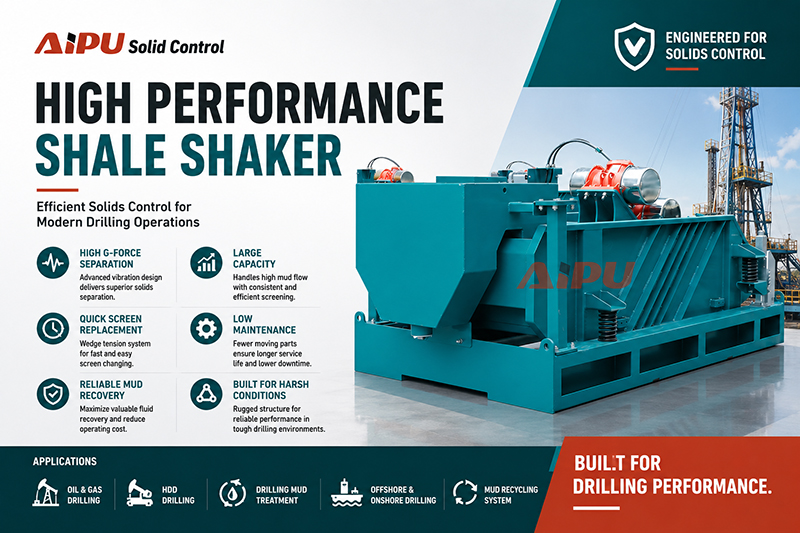
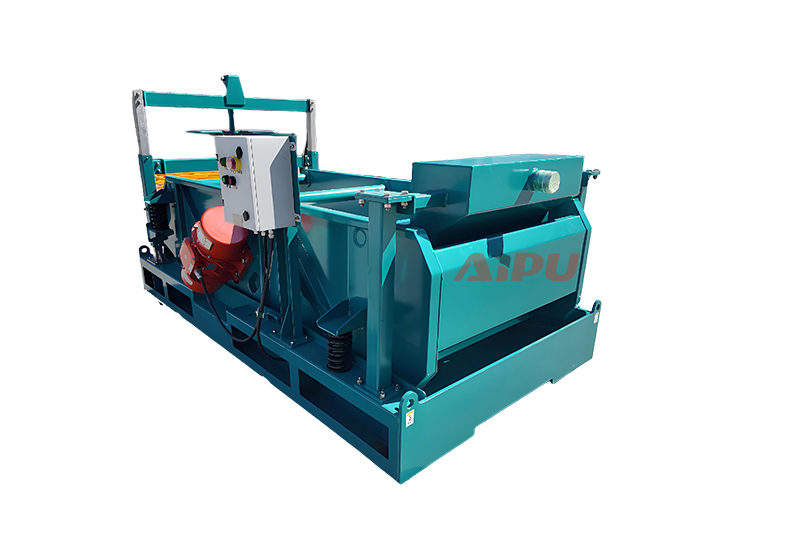
A typical solids control system consists of several key components. The shale shaker is the first line of defense, using vibrating screens to separate large solid particles from the drilling fluid. Next, the desander and desilter units are used to remove medium - sized particles. These hydrocyclone - based devices rely on centrifugal force to separate solids from the fluid. The centrifuge is another crucial component, capable of separating fine particles that other equipment may miss. Each component is carefully designed to work in tandem, ensuring comprehensive solids removal.
Challenges in Solids Control Under Pressure
Operating a solids control system under pressure presents unique challenges. High - pressure conditions can cause the drilling fluid to behave differently, making it more difficult to separate solids. Additionally, the equipment itself may be subject to greater stress, increasing the risk of mechanical failures. The presence of high - pressure gases can also complicate the solids control process, as they can affect the flow and separation efficiency. To overcome these challenges, advanced monitoring and control technologies are required to adjust the system in real - time.
Optimization Strategies
To optimize the solids control system under pressure, several strategies can be employed. Regular maintenance of the equipment is essential to ensure its proper functioning. This includes inspecting and replacing worn - out screens, checking the integrity of hydrocyclones, and lubricating moving parts. Advanced automation can also be used to monitor and adjust the system parameters, such as flow rate and vibration intensity. Moreover, using high - quality drilling fluids with appropriate additives can improve the solids separation efficiency. By implementing these strategies, drilling operators can achieve better performance and reduce the risk of costly downtime.
In conclusion, a well - optimized solids control system is essential for achieving high - performance drilling under pressure. By understanding its importance, components, challenges, and optimization strategies, drilling teams can ensure the success of their operations.

Importance of Solids Control Under Pressure
Under pressure, the drilling environment becomes more challenging. Excessive solids in the drilling fluid can lead to increased wear and tear on drilling equipment, reduced drilling rates, and even wellbore instability. A well - functioning solids control system helps maintain the properties of the drilling fluid, such as density and viscosity. By removing unwanted solids, it prevents blockages in the drill bit and other critical components, allowing for continuous and effective drilling. This not only saves time but also reduces the overall cost of the drilling operation.
Components of a Solids Control System
A typical solids control system consists of several key components. The shale shaker is the first line of defense, using vibrating screens to separate large solid particles from the drilling fluid. Next, the desander and desilter units are used to remove medium - sized particles. These hydrocyclone - based devices rely on centrifugal force to separate solids from the fluid. The centrifuge is another crucial component, capable of separating fine particles that other equipment may miss. Each component is carefully designed to work in tandem, ensuring comprehensive solids removal.
Challenges in Solids Control Under Pressure
Operating a solids control system under pressure presents unique challenges. High - pressure conditions can cause the drilling fluid to behave differently, making it more difficult to separate solids. Additionally, the equipment itself may be subject to greater stress, increasing the risk of mechanical failures. The presence of high - pressure gases can also complicate the solids control process, as they can affect the flow and separation efficiency. To overcome these challenges, advanced monitoring and control technologies are required to adjust the system in real - time.
Optimization Strategies
To optimize the solids control system under pressure, several strategies can be employed. Regular maintenance of the equipment is essential to ensure its proper functioning. This includes inspecting and replacing worn - out screens, checking the integrity of hydrocyclones, and lubricating moving parts. Advanced automation can also be used to monitor and adjust the system parameters, such as flow rate and vibration intensity. Moreover, using high - quality drilling fluids with appropriate additives can improve the solids separation efficiency. By implementing these strategies, drilling operators can achieve better performance and reduce the risk of costly downtime.
In conclusion, a well - optimized solids control system is essential for achieving high - performance drilling under pressure. By understanding its importance, components, challenges, and optimization strategies, drilling teams can ensure the success of their operations.
Related Products