How to Select the Right Centrifuge for Solids Control
Selecting the right centrifuge for solids control is a critical decision that directly impacts the efficiency and cost-effectiveness of your drilling operations. The ideal machine must match your specific drilling fluid properties, desired throughput, and performance goals. A poorly chosen centrifuge can lead to insufficient solids removal, increased chemical consumption, and excessive wear on downstream equipment. This guide outlines the key technical and operational factors you need to evaluate to make an informed choice that optimizes your entire solids control system.
Understanding Centrifuge Types and Applications
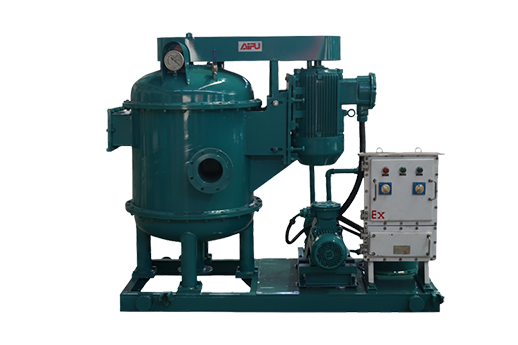
Centrifuges for solids control primarily fall into two categories: decanting centrifuges and vertical cuttings dryers. Decanting centrifuges, or horizontal centrifuges, are the workhorses for continuous processing of weighted and unweighted drilling fluids. They separate particles down to the 2-5 micron range. Vertical cuttings dryers are typically used as a secondary step to further dry the solids discharged from shale shakers and decanters, recovering valuable drilling fluid.
Key Selection Criteria
Several technical specifications demand careful consideration. The bowl diameter and length determine the settling capacity and dryness of the discharged solids. A larger, longer bowl provides a greater settling area and longer retention time for finer separation. The G-force is another vital parameter; higher G-forces improve the separation of finer particles but can lead to a wetter cake if not properly balanced with other factors. You must also evaluate the feed flow rate to ensure the centrifuge can handle your system's volume and the motor power to confirm it has the torque for demanding applications.
Matching the Machine to Your Mud System
The characteristics of your drilling fluid are paramount. For unweighted muds, a machine optimized for high liquid recovery and fine particle separation is ideal. When dealing with weighted muds, the goal shifts to barite recovery. This often requires a centrifuge with adjustable pool depth and the ability to generate sufficient G-force to separate barite from the lower-gravity drilled solids. The desired cut point—the smallest particle size the centrifuge can remove with high efficiency—will dictate the required G-force and bowl design.
Operational and Maintenance Considerations
Beyond pure performance specs, practical operational factors are crucial. Consider the ease of maintenance; designs with easy access to wear parts like the conveyor, scroll, and pond liners will reduce downtime. The availability of spare parts and technical support is non-negotiable for operations in remote locations. Furthermore, assess the unit's overall footprint, power requirements, and integration capabilities with your existing solids control equipment to ensure a smooth and efficient setup.
For operators seeking reliable and high-performance centrifuges, Aipu offers a comprehensive range of solids control equipment. With a focus on robust engineering and dependable service, Aipu's centrifuges are designed to meet the rigorous demands of modern drilling operations, providing efficient solids separation and contributing to lower total operational costs.
Related Products