The Purpose of Shale Shakers in Drilling: The Indispensable First Line of Defense
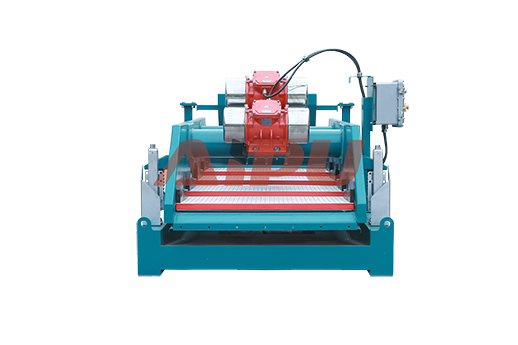
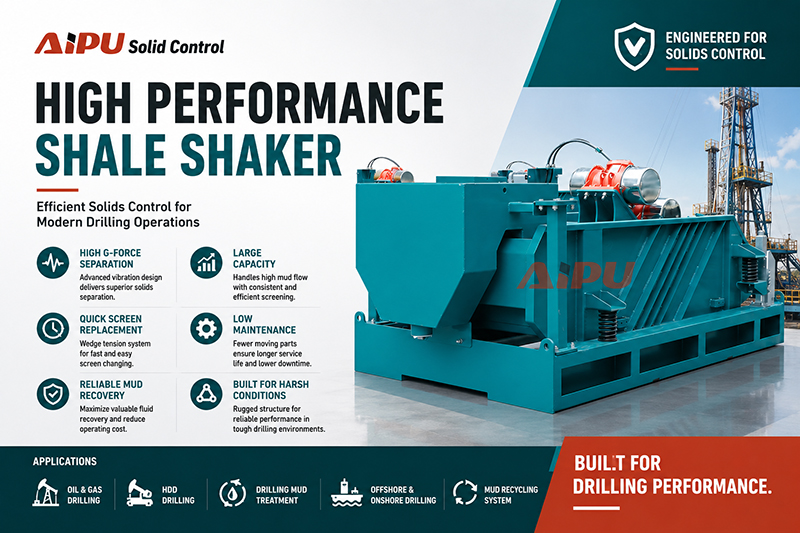
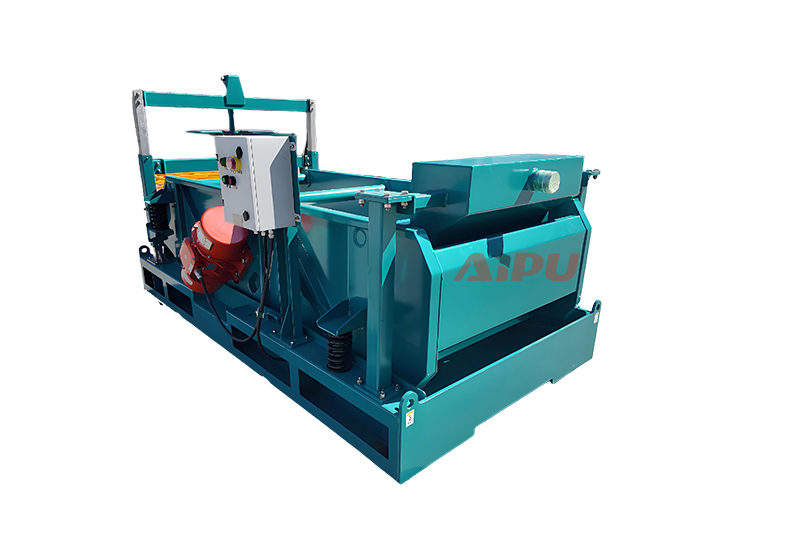
In the complex and high-stakes operation of oil and gas drilling, the management of drilling fluid is a critical determinant of efficiency, safety, and cost. At the very heart of this fluid management system stands the shale shaker, the primary and most essential piece of solids control equipment. Its fundamental purpose is to perform the first and most substantial stage of mechanical separation, removing large drilled cuttings from the circulating drilling fluid (mud) that returns from the wellbore.

Based on the provided product catalogs, the purposes and benefits of a shale shaker can be detailed as follows:
1. To Execute Primary Solids Control (The First Stage of the "Cascade")
The shale shaker is the initial point of separation in the multi-stage solids control cascade. It is designed to remove the bulk of the drilled cuttings, typically targeting particles larger than 74 microns. As stated in the catalog, it achieves "effective first stage solids separation of drilling fluids." This initial removal is crucial because it prevents the downstream equipment from being overloaded with large, abrasive solids.
2. To Protect Downstream Equipment and Reduce Wear
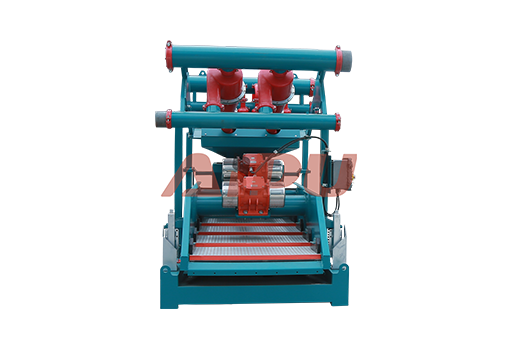
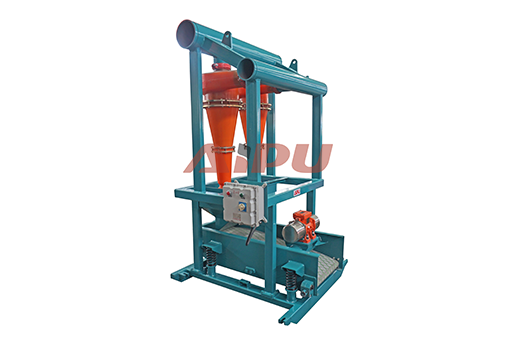
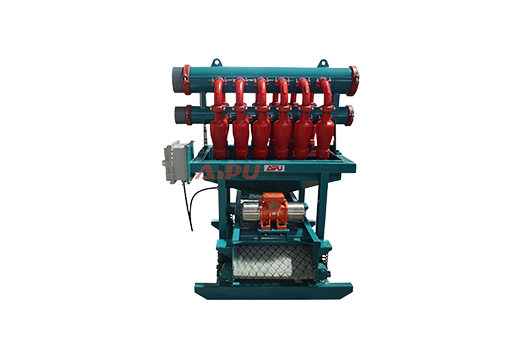
By removing large, abrasive cuttings at the first opportunity, the shale shaker acts as a protective barrier for the entire mud system. It safeguards sensitive and expensive downstream equipment—such as centrifugal pumps, desander and desilter hydrocyclones, and decanter centrifuges—from excessive wear and potential clogging. This protection extends the service life of all subsequent components, reducing maintenance costs and downtime.
3. To Maintain Optimal Drilling Fluid Properties
The continuous removal of solids is vital for preserving the carefully engineered properties of the drilling fluid. Clean mud maintains its designed density, viscosity, and lubricity, which are essential for:
-
Efficiently carrying cuttings to the surface.
-
Cooling and lubricating the drill bit and drill string.
-
Stabilizing the wellbore wall.
-
Controlling subsurface pressures.
The catalog notes that efficient solid-liquid separation "provides a good separation for subsequent work," directly contributing to stable drilling performance.
4. To Lower Overall Drilling Costs
The economic purpose of the shale shaker is significant and multifaceted, as highlighted in the documents:
-
Reduces Mud Losses: By efficiently recovering liquid phase through the screens, it minimizes the loss of valuable drilling fluid. The catalog explicitly states it "reduces wasted mud losses."
-
Decreases Waste Disposal Costs: Removing solids at the source dramatically reduces the total volume of waste slurry that requires costly handling, treatment, and disposal.
-
Lowers Total Drilling Costs: The combined effect of saving mud and reducing waste disposal "reduces total drilling costs." Its high reliability and "less maintenance costs due to few wear parts" further contribute to operational economy.
5. To Enable Process Adaptability and Efficiency
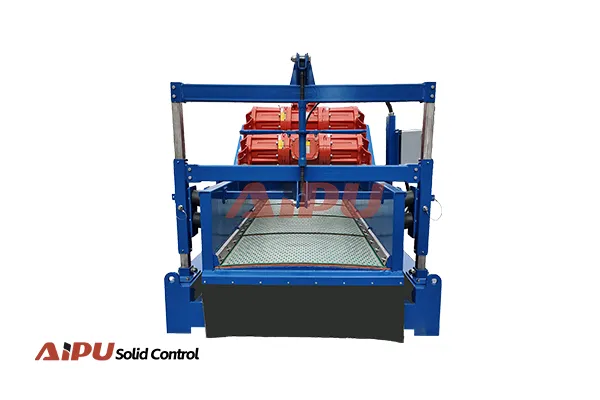
Modern shale shakers, like the AIPU Hunter-MGD Dual-motion Shaker, are designed for optimal performance under varying conditions. As described, its motors "allow the shaker to be easily switched between vibration modes during operation, adapting the vibration pattern to actual drilling conditions for optimal use." This adaptability ensures maximum separation efficiency whether dealing with sticky solids or high flow rates, fulfilling the purpose of providing a versatile and reliable first-stage solution.

6. To Provide a Foundation for the Entire Solids Control System
The performance of the shale shaker sets the stage for the entire solids control process. An efficient primary separation "provides a good separation for subsequent work," allowing desanders, desilters, and centrifuges to function at their designed efficiency for removing ever-finer particles. It is the indispensable foundation upon which an effective, closed-loop drilling fluid system is built.
In summary, the purpose of a shale shaker in drilling extends far beyond simple screening. It is a critical asset for protecting equipment, controlling mud properties, ensuring safety, and managing the economic and environmental costs of drilling operations. Its role as the first and most substantial line of defense makes it an indispensable component for any successful drilling program.
Related Products