Shale Shaker Function in Drilling: The First Line of Defense for Mud Systems
In the complex ecosystem of an oil and gas drilling rig, every piece of equipment has a specific purpose. However, few components are as universally critical as the shale shaker. Understanding the precise shale shaker function in drilling is essential for optimizing rig performance, reducing operational costs, and ensuring environmental compliance. This article explores the multifaceted role of the shale shaker and demonstrates why it remains the cornerstone of modern solids control technology.
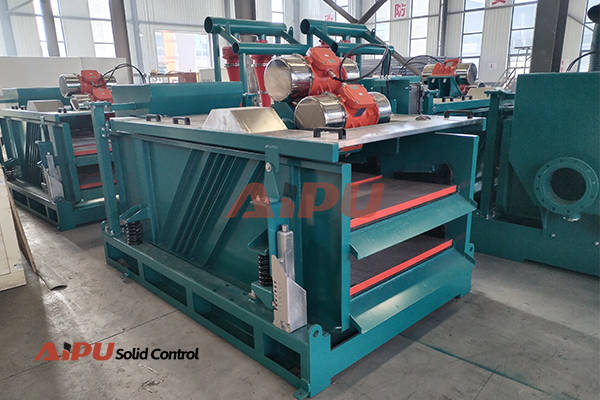
Primary Function: Removal of Large Drill Cuttings
The most immediate and vital function of a shale shaker is the removal of coarse solids from the drilling fluid as it returns from the wellbore. During the drilling process, the drill bit crushes and grinds rock formations, generating a continuous stream of rock fragments known as drill cuttings. These solids are carried to the surface suspended in the drilling mud.
Without intervention, these abrasive particles—ranging from fine sand to coarse gravel—would recirculate back downhole. The shale shaker intercepts this flow and separates solids typically larger than 74 microns (API 200 mesh) using high-frequency vibration and precision mesh screens. By performing this function at the very first stage of the mud return line, the shale shaker prevents the bulk of drilled solids from ever reaching the active mud system.
Secondary Functions: Protecting Downstream Assets
The shale shaker's role extends far beyond simple solids removal. It serves as a protective barrier for the entire solids control system and drilling operation.
1. Safeguarding Downhole and Surface Equipment
Recirculated cuttings are highly abrasive. They accelerate wear on mud pumps, drill bits, downhole motors, and wellbore casing. By extracting the majority of these solids early, the shale shaker significantly extends the service life of expensive capital equipment and reduces non-productive time (NPT) associated with equipment failure.
2. Optimizing Downstream Solids Control Efficiency
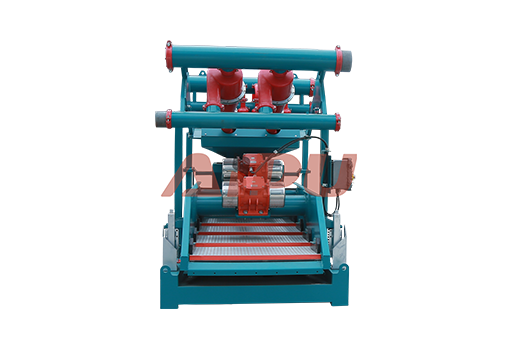
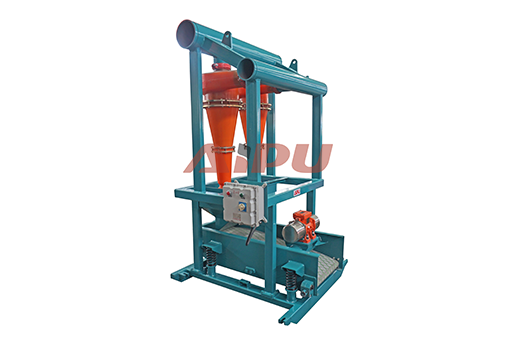
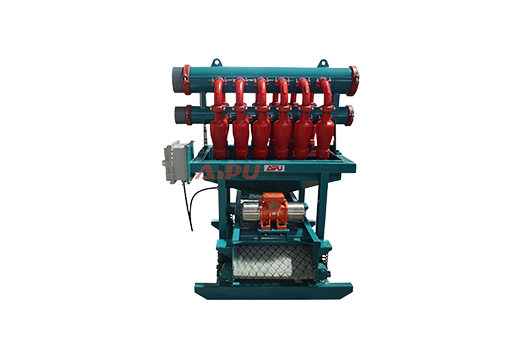
The efficiency of hydrocyclones (desanders and desilters) and centrifuges is directly dependent on the particle load entering their feed streams. A shale shaker that performs its function effectively reduces the solids burden on these downstream devices, allowing them to operate within design parameters and achieve finer cut points. This synergistic relationship is critical for maintaining a balanced mud system.
3. Enhancing Drilling Fluid Properties and Stability
Drilling fluid is an engineered product designed to maintain specific density, viscosity, and gel strength. The accumulation of fine drilled solids degrades these properties, leading to increased plastic viscosity, thicker filter cakes, and higher chemical treatment costs. By removing solids at the source, the shale shaker helps preserve the designed rheology of the mud, resulting in better hole cleaning, improved rate of penetration (ROP), and reduced risk of differential sticking.
4. Minimizing Drilling Fluid Loss and Waste Volume
A secondary but economically significant function is fluid conservation. The vibrating screen deck allows the liquid phase of the mud to pass through while retaining solids. This process recovers a high percentage of expensive drilling fluid (especially critical in oil-based mud systems) and reduces the total volume of waste cuttings that require costly treatment and disposal.
The Economic and Environmental Function
The shale shaker also fulfills a crucial economic function. By reducing mud losses, lowering dilution requirements, and protecting equipment, it directly impacts the total drilling cost per foot. Furthermore, its role in environmental stewardship cannot be overstated. Effective solids removal at the shaker stage minimizes the volume of hazardous waste generated, helping operators meet stringent local and international discharge regulations.
AIPU Hunter-MG Series: Engineered for Optimal Functionality
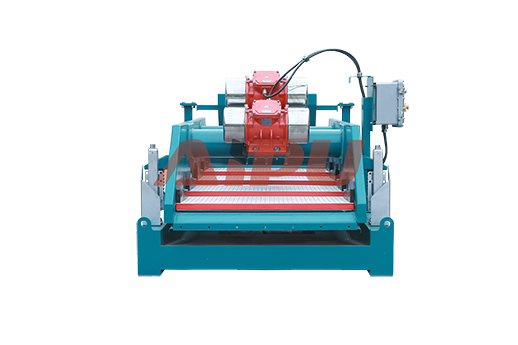
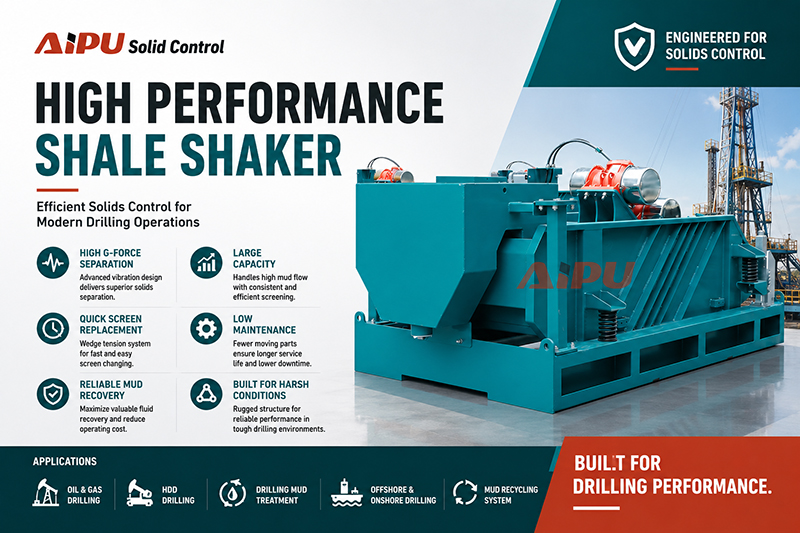
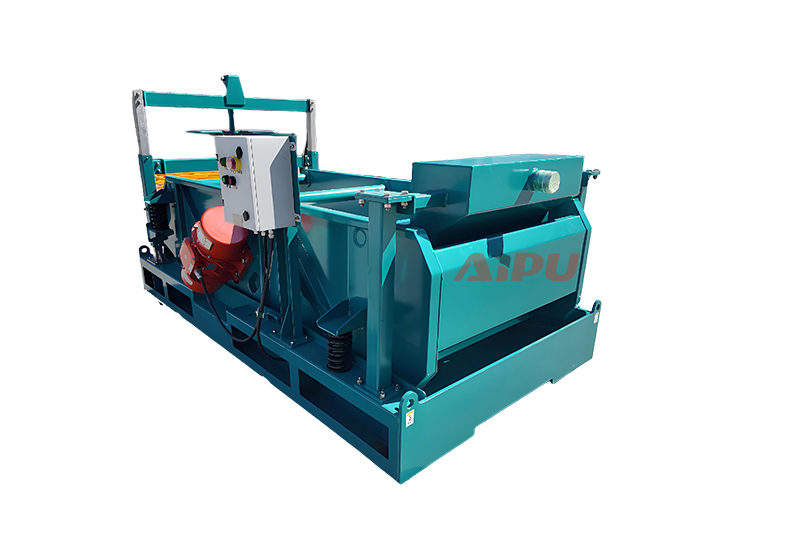
To fulfill these demanding functions in harsh drilling environments, a shale shaker must be robust, reliable, and adaptable. The AIPU Hunter-MG shale shaker series is specifically engineered to deliver on all fronts, ensuring that the primary and secondary functions of solids separation are executed with maximum efficiency.
High-Capacity Performance Across Applications
The Hunter-MG lineup provides a model for virtually any rig configuration and flow rate requirement:
-
Hunter-Mini: Compact design with 1.35 m² screen area and 50 m³/h capacity, ideal for small rigs or mining applications.
-
Hunter-MG3/MG4/MG5: Mid-range workhorses offering 2.0 m² to 3.4 m² screen area and capacities from 120 m³/h to 180 m³/h, suitable for standard land rigs.
-
Hunter-MG4T: A high-volume solution with 8.1 m² screen area capable of processing 420 m³/h, designed for large-scale, high-rate drilling operations.
Adaptable Design for Varied Drilling Conditions
The function of a shale shaker is not static; it must adapt to changing lithology and mud properties. AIPU Hunter-MG shakers feature an adjustable deck angle ranging from -1° to +5°, allowing operators to fine-tune solids conveyance speed and fluid retention time in real time. This adjustability ensures optimal performance whether drilling through reactive clays or hard, abrasive sandstone.
Advanced Motion Technology: The Hunter-MGD
For drilling programs that encounter a wide range of formation types, the Hunter-MGD dual-motion shaker elevates functionality to a new level. Using specialized motors, this model can switch seamlessly between balanced elliptical motion (ideal for sticky, hydrated clays) and linear motion (best for fast drilling and coarse solids removal). This dual capability, achieved with just two motors, represents an internationally advanced design concept that provides unparalleled versatility.
Reliable Components and Flexible Configuration
The core function of a shale shaker relies on the quality of its vibration source. Hunter-MG shakers offer motor options from globally recognized brands like Italvibras, Martin, and Oli. Electrical systems can be customized for 380V/50Hz or 460V/60Hz power supplies, and screen panels are available in steel-framed or composite-framed options to match specific operational needs. All models adhere to strict manufacturing standards, featuring abrasion and corrosion-resistant coatings for extended service life.
Conclusion
The function of a shale shaker in drilling is multifaceted and indispensable. It is the gatekeeper of the mud system, responsible for removing destructive solids, protecting downstream investments, preserving fluid properties, and minimizing environmental footprint. A high-performance shaker like the AIPU Hunter-MG series does more than just shake mud—it provides a stable foundation for efficient, cost-effective, and safe drilling operations. By investing in reliable shale shaker technology, drilling contractors ensure that this critical function is performed flawlessly, contributing directly to project success and profitability.
Related Products