Role of Shale Shaker in Solids Control: The Foundation of Efficient Drilling Fluid Management
In the demanding environment of oil and gas drilling, effective solids control is not merely a best practice—it is an operational and economic necessity. At the heart of every well-designed solids control system lies the shale shaker. While desanders, desilters, mud cleaners, and centrifuges all perform essential functions, none of them can operate efficiently without a properly functioning shale shaker upstream. Understanding the role of shale shaker in solids control is fundamental for drilling engineers, rig managers, and anyone responsible for optimizing drilling performance and minimizing well costs. This article provides a comprehensive examination of that role, from first-stage separation to system-wide impact.
Defining Solids Control and the Shale Shaker's Position
Solids control refers to the systematic process of removing drilled solids—rock fragments and formation debris—from the circulating drilling fluid system. The goal is to maintain the drilling fluid's engineered properties while minimizing waste volume and maximizing fluid recovery. A typical solids control system is arranged in a sequential hierarchy, with each stage designed to remove progressively finer particles:
-
Shale Shaker (Primary Stage): Removes coarse solids, typically >74–100 microns.
-
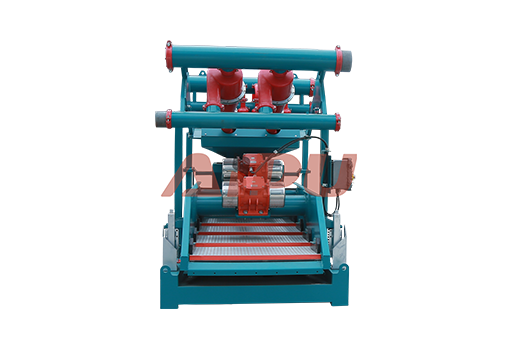
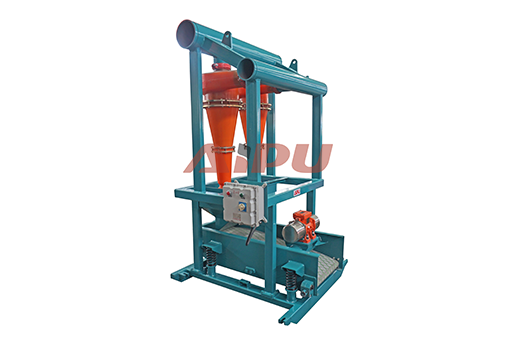
Desander (Secondary Stage): Removes medium-sized solids, typically 44–74 microns.
-
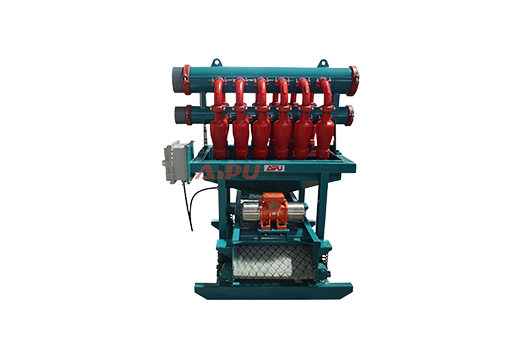
Desilter (Tertiary Stage): Removes fine solids, typically 15–44 microns.
-
Decanter Centrifuge (Fourth Stage): Removes ultra-fine solids, typically 2–7 microns.
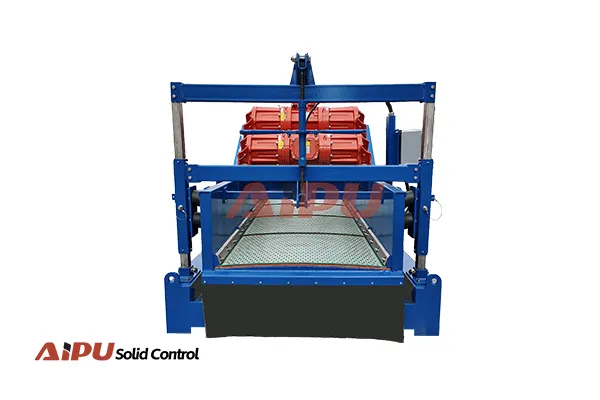
The shale shaker occupies the first and most critical position in this sequence. It is the initial barrier that intercepts the returning mud stream directly from the wellbore flow line. Its performance—or lack thereof—dictates the efficiency and longevity of every subsequent piece of equipment in the solids control chain.
The Fundamental Role: Primary Solids Separation
The primary role of the shale shaker in solids control is the rapid, continuous removal of coarse drill cuttings from the drilling fluid. When mud returns from the wellbore, it carries a wide distribution of particle sizes, from fine silts and clays to coarse gravel-sized cuttings. If these large solids are allowed to enter the active mud system, they will:
-
Recirculate downhole and accelerate bit wear.
-
Erode mud pump liners, pistons, and valves.
-
Damage downhole tools such as MWD/LWD equipment and mud motors.
-
Degrade drilling fluid rheology, increasing viscosity and chemical treatment costs.
By applying controlled, high-frequency vibration (typically 6.0–7.5 G) to angled screen decks, the shale shaker fluidizes the mud layer and drives the liquid phase through precise mesh openings. The larger solids are retained on the screen surface and conveyed to a discharge point. This initial separation removes the bulk of the solid volume and protects the entire downstream system from abrasive overload.
Secondary Roles: Enhancing System Efficiency and Economics
Beyond primary separation, the shale shaker fulfills several secondary but equally vital roles within the solids control framework:
1. Reducing Solids Load on Downstream Equipment
Hydrocyclones (desanders and desilters) and centrifuges are designed to process fluids with a relatively low concentration of coarse solids. When a shale shaker underperforms, these devices become overloaded. Desander and desilter cones experience accelerated wear, particularly at the apex discharge, and centrifuges suffer from increased torque and reduced separation efficiency. An effective shale shaker ensures that downstream equipment operates within its design envelope, extending service life and reducing maintenance costs.
2. Maximizing Drilling Fluid Recovery
In oil-based mud (OBM) and synthetic-based mud (SBM) systems, the cost of drilling fluid is a significant line item in the well budget. The shale shaker's screens are engineered to pass the liquid phase while retaining only the undesirable solids. By optimizing screen selection and deck angle, operators can maximize the recovery of valuable base fluid and minimize losses over the discharge end. This directly reduces the need for expensive dilution and makeup fluid.
3. Minimizing Waste Volume and Disposal Costs
The volume of drilling waste generated is directly proportional to the efficiency of solids control. A shale shaker that removes cuttings effectively and discharges them with low retained fluid content reduces the total volume of waste requiring treatment, transport, and disposal. This is a critical environmental and economic consideration, particularly in areas with stringent regulations or high disposal fees.
4. Preserving Drilling Fluid Properties
Drilling fluid is an engineered system. The accumulation of fine and ultra-fine drilled solids alters its density, viscosity, and gel strength. This degradation leads to thicker filter cakes, increased risk of differential sticking, and higher consumption of thinners and dispersants. By removing solids at the first opportunity, the shale shaker helps maintain the designed rheological profile of the mud, contributing to better hole cleaning, improved ROP, and reduced non-productive time.
The Shale Shaker's Role Across Different Solids Control Configurations
The specific role of the shale shaker can vary slightly depending on the overall solids control strategy:
-
In Unweighted Mud Systems: The shale shaker is the first step in a sequence designed to remove as many solids as possible to control mud density and viscosity.
-
In Weighted Mud Systems: The shale shaker removes coarse, low-gravity solids while allowing valuable weighting agents (like barite) to pass through for recovery by downstream centrifuges. In this configuration, the shaker's cut point is carefully managed to balance solids removal with barite conservation.
-
In Closed-Loop Systems: The shale shaker is essential for minimizing fluid losses and enabling the recovery and reuse of expensive base fluids, a cornerstone of environmentally responsible drilling.
AIPU Hunter-MG Series: Engineered to Excel in Solids Control
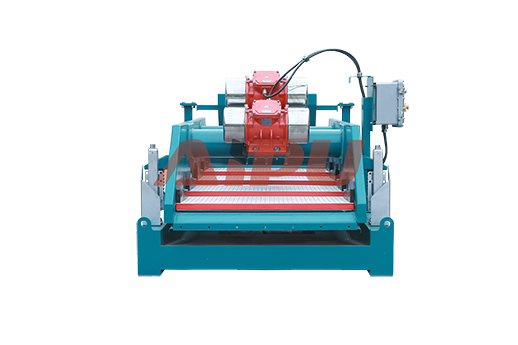
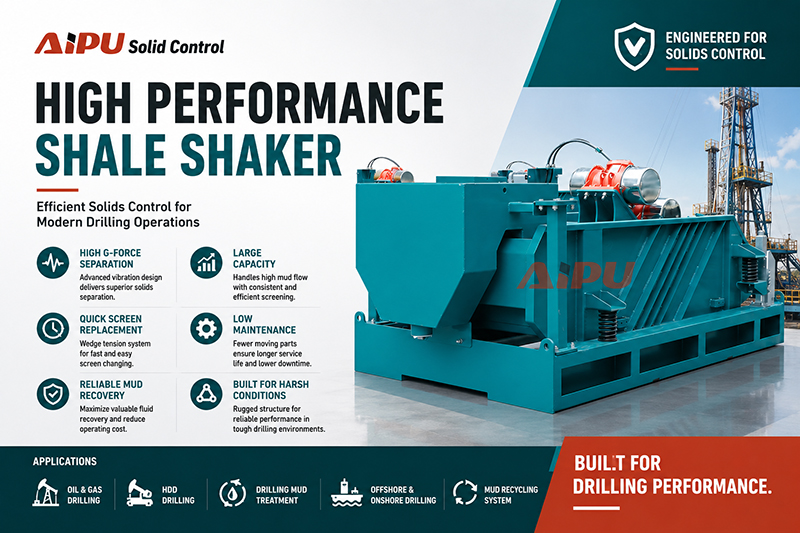
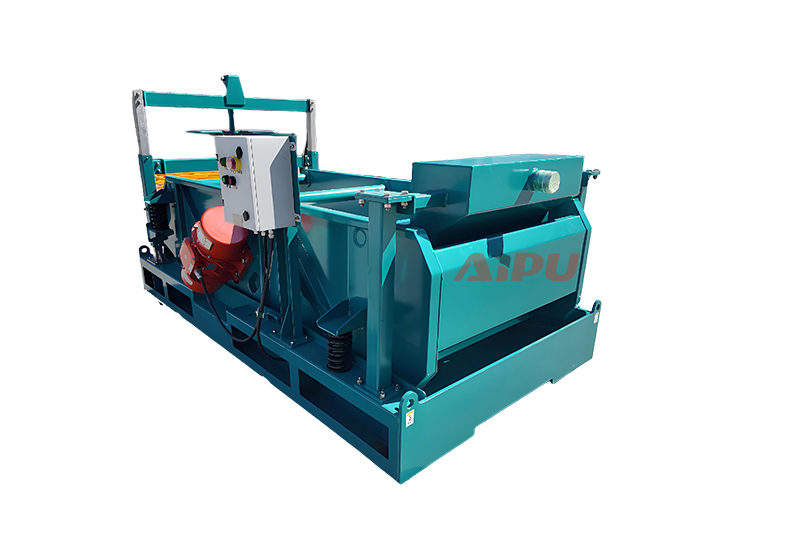
The effectiveness of a solids control system hinges on the performance of its primary shaker. The AIPU Hunter-MG series shale shaker is purpose-built to fulfill this critical role with reliability and precision. Leveraging over 20 years of industry experience, Aipu Solid Control Co., Ltd has engineered a range of shakers that deliver superior separation efficiency across diverse drilling applications.
Models Configured for System Optimization
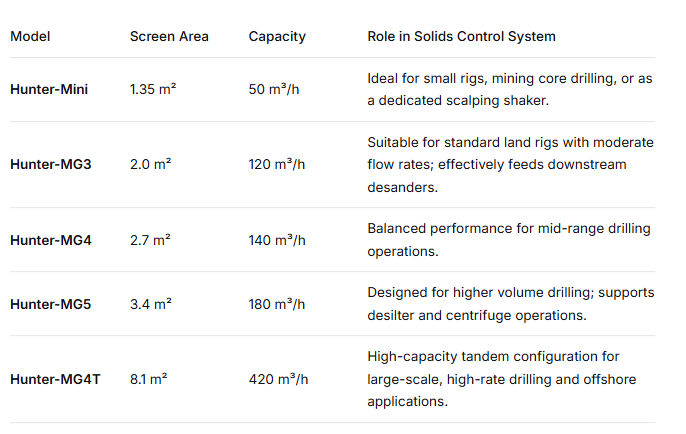
The Hunter-MG lineup provides a model for every solids control requirement, ensuring that the shaker is correctly sized for the anticipated flow rate and rig configuration:
Advanced Features That Elevate Solids Control Performance
-
Adjustable Deck Angle (-1° to +5°): The ability to modify basket inclination in real time allows operators to fine-tune fluid retention and solids conveyance. In a weighted mud system, a flatter angle can be used to maximize barite recovery; in fast surface hole drilling, a steeper angle ensures rapid cuttings removal.
-
Premium Vibratory Motors: Equipped with motors from internationally recognized brands such as Italvibras, Martin, and Oli, Hunter-MG shakers generate consistent G-forces (6.0–7.0G) and double amplitudes (5–6 mm) essential for effective stratification and fluid throughput.
-
Dual-Motion Capability (Hunter-MGD): For solids control systems that must handle highly variable formation types, the Hunter-MGD offers the unique advantage of switching between linear motion (optimal for coarse, abrasive solids) and balanced elliptical motion (optimal for sticky, hydrated clays that cause screen blinding). This adaptability ensures peak shaker performance regardless of downhole conditions.
-
Flexible Screen Options: Both steel-framed and lightweight composite-framed screen panels are available, allowing users to tailor screen selection to the specific demands of the solids control program.
Reliable Integration and Long-Term Value
Hunter-MG shakers are designed for seamless integration with Aipu's complete line of solids control and waste management equipment. Their robust construction—featuring strict sand-blasting and heavy-duty anti-corrosion coatings—ensures durability in the harshest drilling environments. With customizable electrical systems (380V/50Hz or 460V/60Hz) and optional ATEX/IECEX certifications, the Hunter-MG series provides a reliable, long-term foundation for any solids control strategy.
Conclusion
The role of the shale shaker in solids control cannot be overstated. It is the gatekeeper of the drilling fluid system, the first line of defense against abrasive wear, and the primary determinant of downstream equipment efficiency. By removing the bulk of drilled solids immediately upon their return to the surface, a high-performance shaker like the AIPU Hunter-MG series protects capital assets, preserves valuable fluid properties, minimizes waste, and ultimately reduces the total cost of well construction. In the hierarchy of solids control, the shale shaker is not just the first step—it is the foundation upon which all other separation success is built.
Related Products