Shale Shaker Position in Solids Control System: Understanding Its Strategic Placement and Critical F
In the meticulously engineered hierarchy of a drilling fluids processing system, every component has a designated place and purpose. The shale shaker position in solids control system is not arbitrary—it is strategically determined by the physics of particle separation and the practical realities of drilling operations. Positioned as the very first treatment device in the surface mud return line, the shale shaker serves as the primary gatekeeper that determines the effectiveness of the entire solids control chain. This article examines precisely where the shale shaker sits within the system, why this placement is critical, and how it interfaces with downstream equipment to create a cohesive, efficient separation process.
The Solids Control System Hierarchy: A Sequential Framework
To understand the shale shaker's position, one must first visualize the complete solids control system as a sequential, multi-stage process. Drilling fluid returning from the wellbore carries a wide distribution of solid particle sizes—from large, gravel-sized cuttings to sub-micron colloidal clays. No single device can efficiently separate this entire range. Therefore, the system is arranged in a descending order of particle size removal:
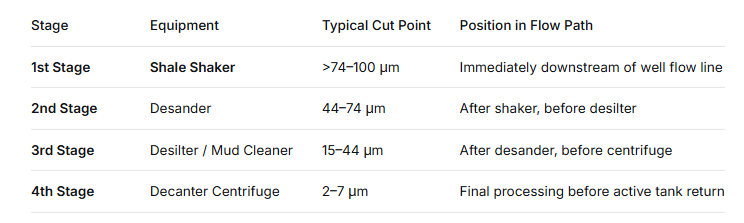
This sequential arrangement ensures that each device receives fluid with a progressively reduced solids load, allowing it to operate within its optimal performance envelope.
The Exact Position of the Shale Shaker in the System
The shale shaker occupies the first position in this hierarchy. It is physically located at the termination of the well's flow line—the large-diameter pipe that carries drilling mud and cuttings from the wellbore annulus to the surface processing equipment. In a typical rig layout, the flow line discharges directly into a distribution box or feeder mounted atop the shale shaker.
This placement is not coincidental; it is dictated by several compelling operational and engineering considerations:
1. Immediate Removal of the Largest, Most Damaging Solids
The largest cuttings—those that can cause immediate and catastrophic wear to pumps and downstream equipment—must be removed before they enter any other processing vessel. Placing the shaker first ensures that these coarse, abrasive particles are intercepted at the earliest possible moment, preventing them from settling in tanks, clogging hydrocyclone inlets, or damaging centrifugal pump impellers.
2. Gravity-Assisted Flow Integration
The shale shaker is positioned to utilize gravity flow from the well's flow line. Mud exits the well under residual annular pressure and flows downhill to the shaker. This eliminates the need for an intermediate transfer pump, reducing energy consumption and eliminating a potential source of mechanical shear that could degrade cuttings into finer, harder-to-remove particles.
3. Foundation for Downstream Efficiency
By removing the bulk of the solid volume and mass at the very beginning of the surface system, the shale shaker reduces the solids loading on every subsequent device. Desanders and desilters are designed to process relatively clean fluids with low solids concentrations. Without a properly positioned and functioning shaker, these downstream units would quickly become overwhelmed, suffering accelerated wear and drastically reduced separation efficiency.
The Flow Path: Before and After the Shale Shaker
Understanding the shale shaker's position also requires understanding what happens immediately before and after it in the process stream:
Upstream: The Wellbore and Flow Line
-
Source: The mixture of drilling fluid and formation cuttings originates at the drill bit and travels up the annulus.
-
Transport: The flow line conveys this mixture directly to the shale shaker's feed box. At this point, the fluid is at its highest solids concentration of any point in the surface system.
At the Shale Shaker
-
Separation: The vibrating screen deck performs the primary solid-liquid separation.
-
Two Streams Exit:
-
Liquid Underflow: The cleaned drilling fluid, now substantially free of coarse solids, passes through the screens and gravity-flows into the sand trap or directly into the active mud tank compartment.
-
Solids Overflow: The separated drill cuttings are conveyed off the discharge end of the shaker into a cuttings box, screw conveyor, or secondary drying shaker for further processing or disposal.
-
Downstream: The Next Stage
-
Sand Trap / Settling Tank: The fluid passing through the shaker screens often flows first into a small settling compartment called a sand trap. Here, any solids that managed to bypass the shaker or pass through damaged screens can settle out.
-
Desander Feed: From the sand trap or active tank, the partially cleaned mud is picked up by a centrifugal pump and fed under pressure to the desander hydrocyclones for the next stage of separation.
Why the First Position Matters: Consequences of Misplacement
If the shale shaker were positioned elsewhere—for example, after hydrocyclones—the system would fail catastrophically. Coarse cuttings would enter the centrifugal pumps feeding the desanders and desilters, causing rapid erosion of pump casings and impellers. Hydrocyclone inlets and apex orifices would plug continuously. The entire solids control process would grind to a halt. The shaker's first position is non-negotiable for effective solids management.
AIPU Hunter-MG Series: Engineered for the Optimal Position
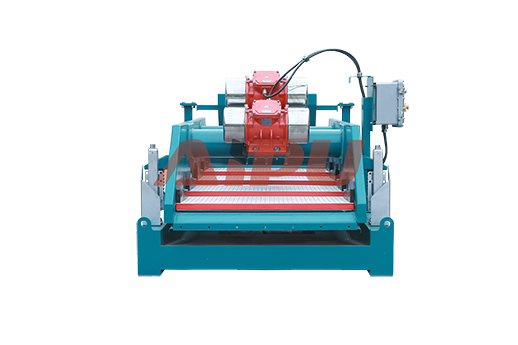
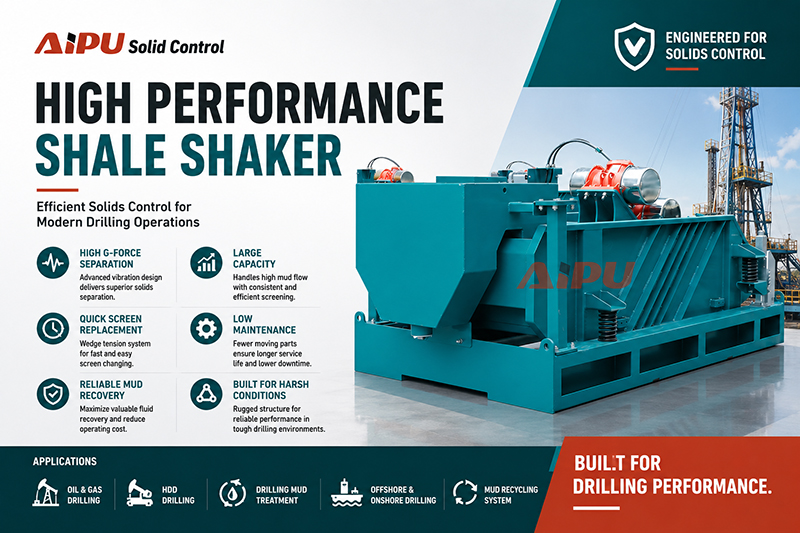
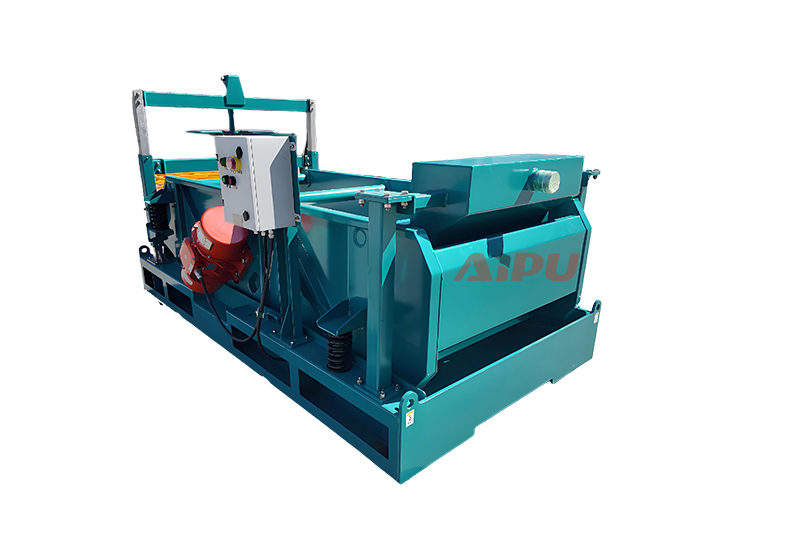
Given the critical nature of the shale shaker's position as the first line of defense in the solids control system, the equipment selected for this role must deliver uncompromising performance and reliability. The AIPU Hunter-MG series shale shaker is specifically engineered to excel in this demanding first-stage application. Manufactured by Aipu Solid Control Co., Ltd, a company with over 20 years of specialized industry experience, the Hunter-MG lineup provides the robust separation capability required at the very start of the mud cleaning process.
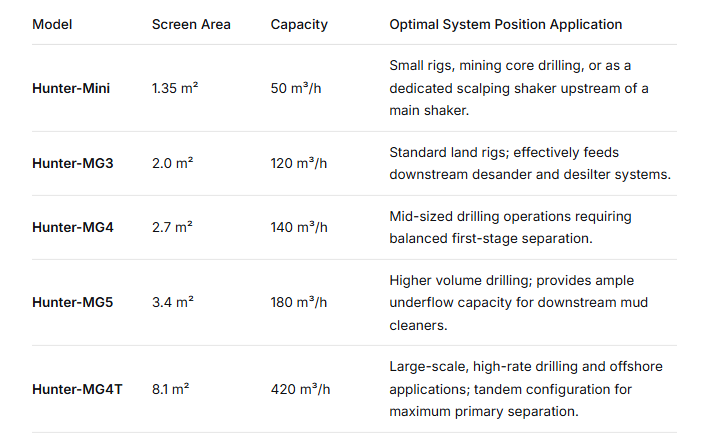
Model Selection for System Integration
The Hunter-MG series offers a range of models designed to integrate seamlessly into the first position of any solids control system, regardless of rig size or flow rate:
Features That Optimize First-Position Performance
The Hunter-MG series incorporates design features that specifically enhance its effectiveness in the critical first position:
-
Adjustable Deck Angle (-1° to +5°): The ability to modify the basket inclination in real time allows operators to fine-tune the shaker's response to changing downhole conditions. A flatter angle maximizes fluid recovery in expensive oil-based mud systems; a steeper angle accelerates cuttings removal during fast, unconsolidated drilling. This adaptability is essential for a device that must handle the full, unprocessed mud stream.
-
Premium Vibratory Motors: Equipped with motors from globally trusted brands such as Italvibras, Martin, and Oli, Hunter-MG shakers deliver the consistent, high-frequency G-forces (6.0–7.0G) necessary to fluidize the heavy, solids-laden mud arriving directly from the wellbore.
-
Dual-Motion Capability (Hunter-MGD): For systems that must process highly variable formation types, the Hunter-MGD offers the unique ability to switch between linear motion (ideal for abrasive, coarse cuttings) and balanced elliptical motion (ideal for sticky, reactive clays). This ensures that the first-position shaker remains optimally configured regardless of the lithology being drilled.
-
Flexible Screen Options: Both steel-framed and composite-framed API-compliant screen panels are available, allowing users to select the optimal screen type and mesh size for the specific formation being drilled.
Seamless Integration with Downstream AIPU Equipment
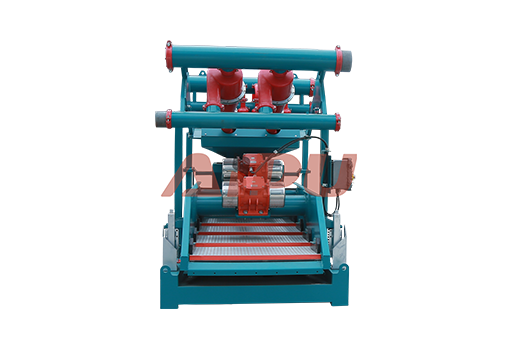
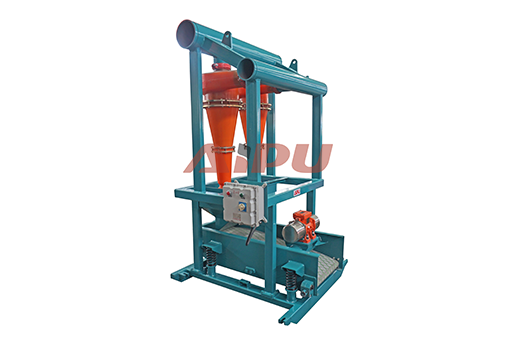
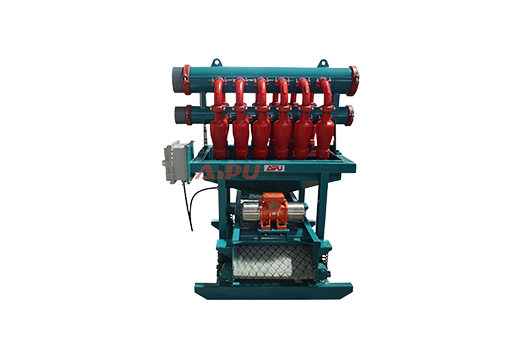
Because the Hunter-MG shaker occupies the first position, its design facilitates smooth integration with the rest of the Aipu solids control product line. The underflow is directed to compartments designed to feed Aipu desanders (APCS series), desilters (APCN series), mud cleaners (Hunter120/240/320 series), and ultimately Aipu centrifuges (APLW series). This cohesive system approach ensures that the entire solids control train operates with maximum efficiency and reliability.
Conclusion
The shale shaker position in solids control system is unequivocally at the forefront—the first piece of mechanical treatment equipment to encounter the returning drilling fluid. This strategic placement is essential for intercepting large, damaging drill cuttings before they can wreak havoc on downstream pumps, hydrocyclones, and centrifuges. By fulfilling its role as the primary separation stage, the shale shaker establishes the foundation for all subsequent solids removal efforts. Selecting a robust, high-performance shaker for this position, such as the AIPU Hunter-MG series, is a fundamental prerequisite for achieving a balanced, efficient, and cost-effective drilling fluid management program.
Related Products