How to Extend Shale Shaker Lifespan: Proven Strategies for Maximizing Equipment Longevity and ROI
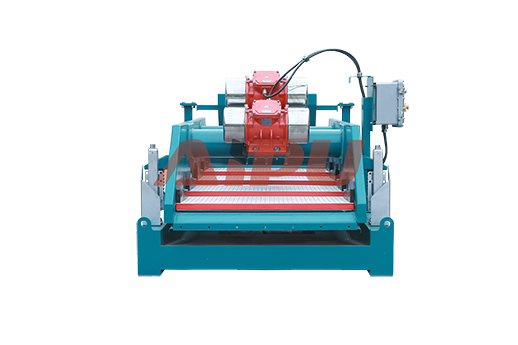
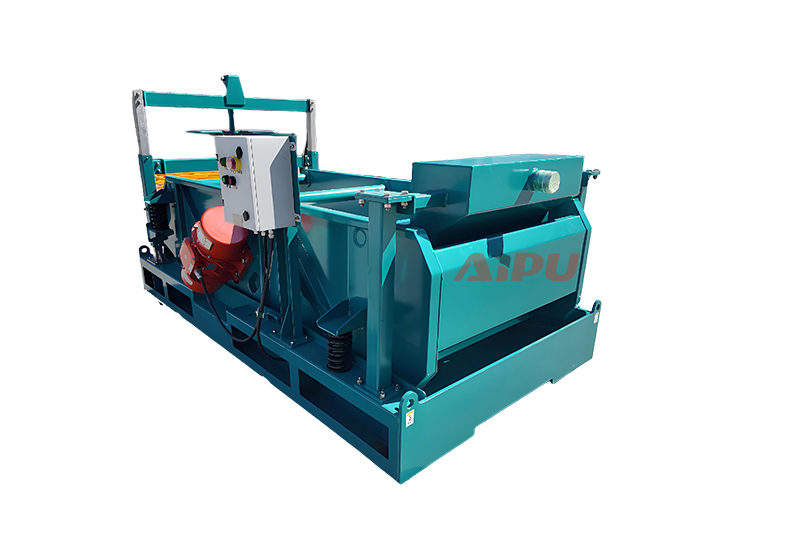
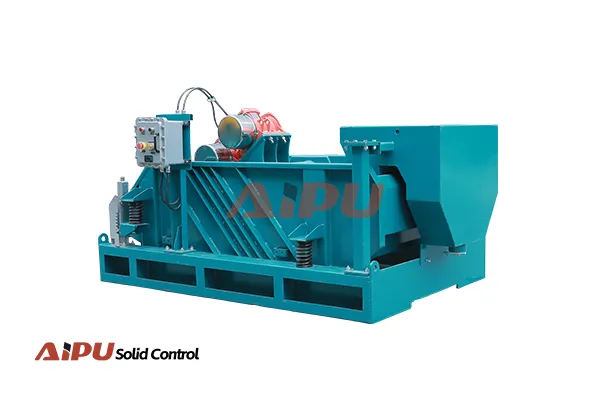
In the demanding environment of oil and gas drilling, the shale shaker endures relentless punishment. High-frequency vibration, abrasive drill cuttings, corrosive drilling fluids, and continuous operation subject this critical equipment to extreme stress. A shale shaker represents a significant capital investment, and maximizing its service life is not just a maintenance goal—it is a strategic imperative that directly impacts operational costs, non-productive time (NPT), and overall drilling economics. Understanding how to extend shale shaker lifespan requires a comprehensive approach encompassing proper operation, disciplined maintenance, and the selection of equipment engineered for durability. This article provides actionable strategies for prolonging shaker life and highlights how the AIPU Hunter-MG series incorporates design features that inherently resist wear and extend service intervals.
1. Proper Screen Selection and Management
Screen panels are consumable items, but their condition and proper use profoundly affect the longevity of the entire shaker basket and support structure.
Select the Correct Screen for the Formation
-
Match Mesh to Lithology: Using screens that are too fine for the formation being drilled can cause excessive fluid pooling, increased basket weight, and accelerated structural fatigue. Conversely, screens that are too coarse allow abrasive solids to recirculate, increasing wear on downstream equipment.
-
Utilize Quality Screen Panels: The AIPU Hunter-MG series is compatible with both steel-framed and composite-framed API screen panels. Composite screens offer lighter weight, reducing the dynamic load on the basket and vibration isolation system, while steel frames provide rugged durability for abrasive applications. Selecting the appropriate frame material for the specific drilling environment reduces unnecessary stress on the shaker.
Inspect and Replace Screens Promptly
-
Avoid Running with Damaged Screens: Torn or punctured screens allow coarse solids to bypass separation, but they also create uneven flow distribution that can cause localized overloading and accelerated basket wear.
-
Proper Tensioning: Loose screens vibrate independently of the basket, causing impact damage to screen wedges, support rails, and the basket deck. Always ensure screens are properly tensioned and wedged according to manufacturer specifications.
2. Optimize Operational Parameters to Reduce Mechanical Stress
Operating the shale shaker within its designed parameters is fundamental to extending its lifespan.
Maintain Appropriate G-Force and Vibration Settings
-
Avoid Excessive G-Force: While higher G-force improves separation in some conditions, operating consistently above 7.5 G dramatically accelerates fatigue cracking in the basket structure and welds. The Hunter-MG series is engineered to deliver optimal separation at a balanced 6.0–7.0 G, providing effective solids removal without subjecting the basket to unnecessary peak stresses.
-
Use the Correct Motion for the Formation: In sticky, reactive clay formations, forcing a linear motion shaker to operate with blinded screens increases the effective weight on the basket and motors. The Hunter-MGD dual-motion shaker allows operators to switch to balanced elliptical motion, which prevents screen blinding and maintains smooth, efficient operation without overloading the drive system.
Adjust Deck Angle Appropriately
-
Prevent Solids Accumulation: Operating with an excessively flat or negative deck angle in high-volume drilling can cause cuttings to accumulate on the deck, adding hundreds of kilograms of dead weight to the vibrating basket. This dramatically increases stress on springs, mounts, and the basket structure. Use the adjustable deck angle (-1° to +5° on Hunter-MG models) to maintain a balanced solids conveyance rate that prevents accumulation.
3. Implement a Rigorous Preventive Maintenance Program
A disciplined maintenance schedule is the single most effective way to extend shale shaker lifespan.
Daily Visual Inspections
-
Check for Cracks in the Basket and Support Structure: Pay close attention to weld joints, motor mounting plates, and areas around the feed box. Early detection of fatigue cracks allows for repair before catastrophic failure occurs.
-
Inspect Vibration Isolation Springs and Mounts: Damaged or sagging springs alter the basket's natural frequency, causing erratic vibration that accelerates wear on all components. Replace springs in matched sets according to the manufacturer's recommended interval.
-
Monitor Motor Condition: Listen for unusual bearing noise and check motor surface temperatures. Overheating indicates inadequate lubrication, excessive loading, or electrical imbalance.
Weekly and Monthly Maintenance Tasks
-
Lubricate Bearings per Manufacturer Specifications: The vibratory motors on Hunter-MG shakers—available from premium brands like Italvibras, Martin, and Oli—are designed for extended service intervals when properly lubricated. Use only the specified grease type and quantity to avoid over-greasing, which can damage bearing seals.
-
Inspect and Tighten All Fasteners: Vibration inevitably loosens bolts and fasteners over time. Establish a torque-check schedule for motor mounting bolts, screen wedge bolts, and basket-to-skid connections.
-
Check Electrical Connections: Loose or corroded electrical connections increase resistance and heat, potentially damaging motors and control components. Ensure all junction boxes are sealed against moisture and corrosive atmospheres. Hunter-MG electrical systems are customizable for 380V/50Hz or 460V/60Hz and can be supplied with ATEX/IECEX certifications for hazardous area reliability.
4. Protect Against Corrosion and Environmental Attack
Drilling fluids—particularly oil-based mud and brines—are highly corrosive. The shaker's structural integrity depends on effective corrosion protection.
Utilize Advanced Coatings and Surface Preparation
-
Specify Equipment with Robust Corrosion Protection: The AIPU Hunter-MG series undergoes strict sand-blasting procedures prior to coating application. This surface preparation removes mill scale and contaminants, ensuring maximum adhesion of the subsequent heavy-duty anti-corrosion coating system. This multi-layer protection resists the aggressive chemical attack common in drilling operations, significantly extending the structural life of the basket and skid.
-
Wash Down Regularly, But Carefully: Remove accumulated mud and cuttings from the basket and skid to prevent corrosive poultices from forming. However, avoid directing high-pressure wash-down spray directly at motor seals, bearing housings, or electrical enclosures.
Select Materials Appropriate for the Service Environment
-
H₂S Service Considerations: For sour gas drilling environments, standard carbon steel can suffer sulfide stress cracking. The Hunter-MG series can be configured with H₂S-resistant materials upon request, ensuring the shaker remains fit for service in demanding sour applications.
5. Manage Feed Distribution and Flow Rate
How the shaker is fed directly impacts its mechanical longevity.
Ensure Uniform Feed Distribution
-
Avoid Concentrated Flow: A mud stream that impacts only the center of the screen deck creates a localized high-stress zone, accelerating screen wear and fatiguing the basket structure in that area. The Hunter-MG feed box is designed to distribute flow evenly across the full screen width, promoting uniform loading and extending both screen and basket life.
Operate Within Rated Capacity
-
Do Not Exceed Design Flow Rate: Consistently operating a shaker beyond its rated capacity forces the basket to handle excessive weight and can cause the mud pool to overflow, leading to fluid ingress into bearings and electrical components. Select a shaker model—such as the Hunter-MG4T with 420 m³/h capacity—that is appropriately sized for the maximum anticipated flow rate.
6. Address Screen Blinding Proactively
Screen blinding forces the shaker to work harder, increasing the load on motors and the basket structure.
Use Dual-Motion Technology to Combat Blinding
-
Switch to Elliptical Motion in Sticky Formations: The Hunter-MGD dual-motion shaker provides a unique solution to the blinding problem. When drilling reactive clays or gumbo, switching from linear to balanced elliptical motion prevents clay adhesion to screen wires. This maintains open screen area, reduces the effective weight on the basket, and eliminates the need for operators to manually clean screens—a practice that can damage the mesh and injure personnel.
Select Anti-Blinding Screen Technologies
-
The Hunter-MG series supports a wide range of screen options, including composite screens with surface treatments designed to resist clay adhesion.
7. Proper Storage and Off-Season Preservation
When a rig is stacked or the shaker is not in active service, proper preservation is essential.
-
Thoroughly Clean and Dry: Remove all drilling fluid residues and thoroughly dry the basket, skid, and all components.
-
Protect Machined Surfaces and Bearings: Apply a corrosion-preventive compound to exposed metal surfaces. Rotate motor shafts periodically to redistribute bearing grease and prevent brinelling.
-
Store Under Cover: Whenever possible, store the shaker under shelter to protect it from rain, UV exposure, and temperature extremes.
Conclusion: Longevity Through Design and Diligence
Extending the lifespan of a shale shaker is not the result of any single action but rather a combination of informed operation, disciplined maintenance, and investment in durable equipment. The strategies outlined above—from proper screen management and optimized vibration settings to rigorous corrosion protection and proactive blinding control—collectively ensure that this critical solids control asset delivers reliable performance year after year.
The AIPU Hunter-MG series shale shaker embodies these longevity principles in its very design. With features like a heavy-duty welded basket, strict sand-blasting and multi-layer anti-corrosion coatings, adjustable deck angles, premium vibratory motors from Italvibras, Martin, and Oli, and the unique dual-motion capability of the Hunter-MGD, these shakers are engineered to withstand the harshest drilling environments. By pairing a well-built shaker with a robust maintenance culture, drilling contractors can maximize their return on investment and minimize the total cost of ownership over the life of the equipment.
Related Products