What is drilling mud storage tank
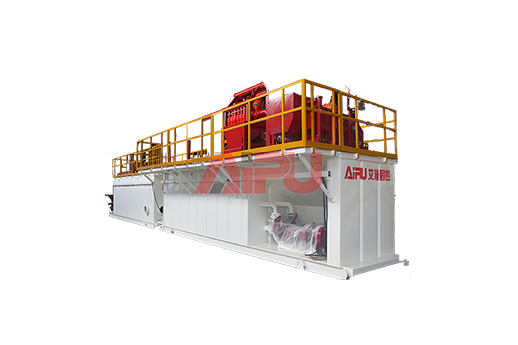
A drilling mud storage tank, also known as a mud tank or mud pit, is an essential component of the solid control system in oil and gas drilling operations. It serves as a large, rectangular or cylindrical container designed to store, mix, and condition drilling fluid (commonly called "mud") during the drilling process.
Key Functions of Mud Tanks
- Storage and Circulation: Holds drilling mud for continuous circulation through the wellbore
- Mud Conditioning: Provides space for adding chemicals and maintaining mud properties
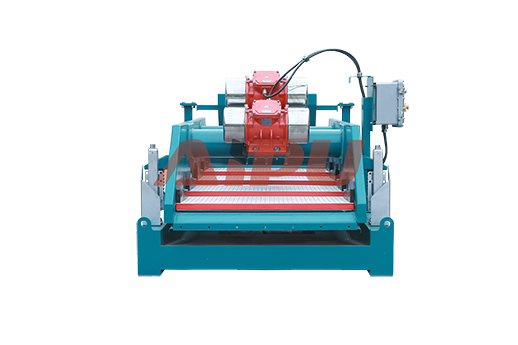
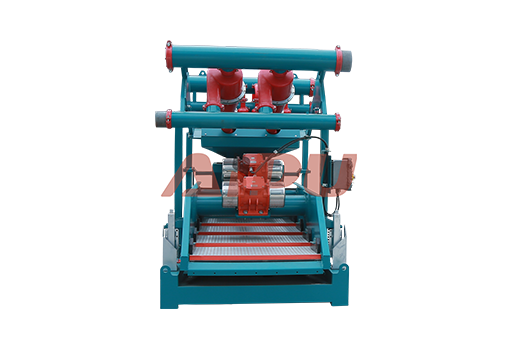
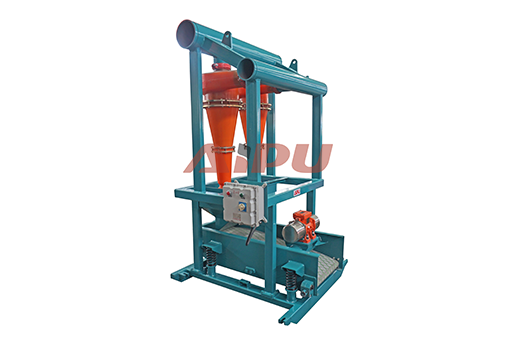
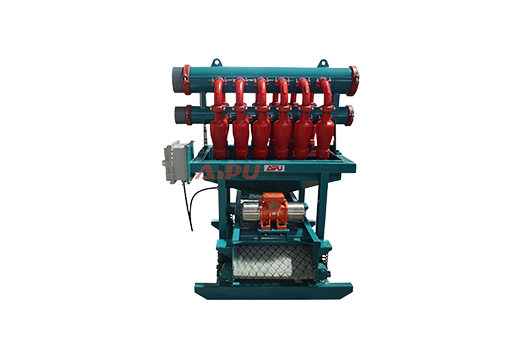
- Solids Separation: Works with shale shakers, desanders, and desilters to remove drilled cuttings
- Volume Control: Allows monitoring of mud returns to detect potential well control issues
Types of Mud Tanks
Mud tanks come in various configurations:
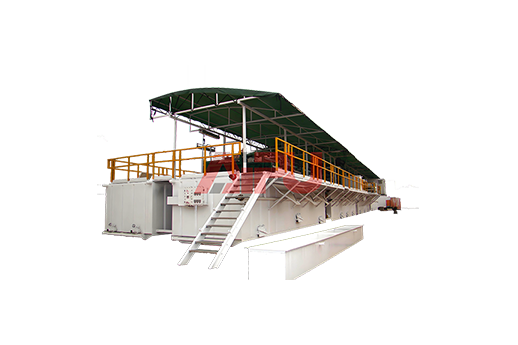
- Open Top Tanks: Traditional design with removable covers
- Closed Loop Systems: Environmentally sealed for zero discharge operations
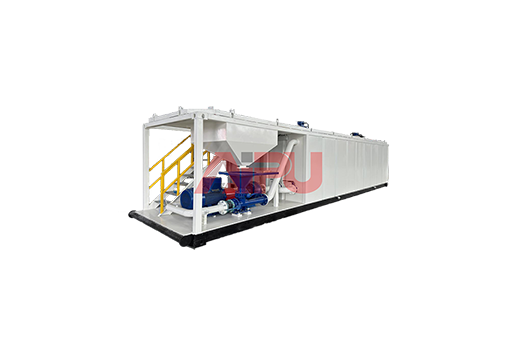
- Portable Skid-Mounted Tanks: For mobile drilling rigs and workover operations
- Customized Systems: Designed for specific well conditions and drilling programs
Role in Solid Control Systems
Mud tanks form the foundation of the solids control equipment train. They receive processed mud from:
- Shale shakers (primary solids removal)
- Desanders and desilters (secondary solids removal)
- Centrifuges (fine solids removal)
- Degassers (gas removal)
The cleaned mud is then recirculated back to the mud pumps, creating a continuous loop that maintains optimal drilling fluid properties.
Design Features
Modern mud tanks include:
- Agitators: Prevent solids settlement and maintain uniform mud properties
- Weir Systems: Control flow between compartments
- Level Indicators: Monitor mud volume and detect losses/gains
- Heating Systems: For operations in cold environments
- Corrosion Protection: Special coatings for harsh drilling environments
Importance in Drilling Operations
Proper mud tank design and operation are critical for:
- Wellbore Stability: Maintaining proper mud weight and properties
- Drilling Efficiency: Reducing non-productive time due to mud-related issues
- Environmental Compliance: Preventing spills and contamination
- Cost Control: Minimizing mud losses and chemical consumption
In summary, drilling mud storage tanks are more than just containers – they are sophisticated processing units that play a vital role in safe, efficient, and environmentally responsible drilling operations.
Related Products