What is a Shale Shaker? The Essential Guide to the Primary Guard of Drilling Fluids
In the demanding world of oil and gas drilling, maintaining the quality of drilling fluid (or "mud") is paramount for efficiency, safety, and cost control. At the very forefront of this critical mission stands the shale shaker, the indispensable workhorse and primary defense line of any solids control system. This article delves into what a shale shaker is, how it works, its key features, types, and its vital role in modern drilling operations.
1. Definition and Core Function
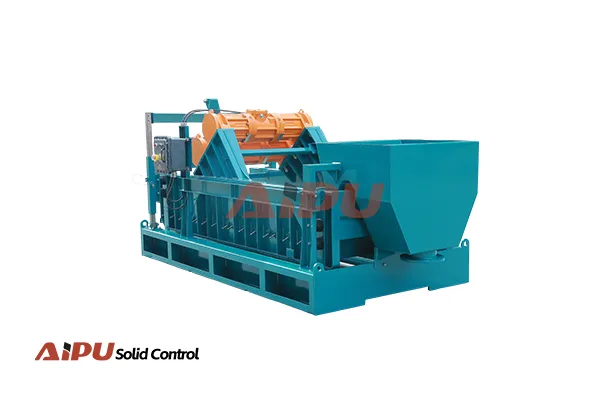
A shale shaker is a vibrating screening machine used as the first stage of solids removal in drilling fluid processing. Its primary function is to separate large, drilled cuttings (typically particles larger than 74 microns, or 200 mesh) from the circulating drilling fluid returning from the wellbore. By removing these coarse solids upfront, the shale shaker protects downstream equipment, maintains mud properties, and significantly reduces overall waste disposal volumes.
2. The Critical Role in the Solids Control Cascade
The shale shaker initiates the multi-stage "cascade" separation process. After the mud passes through the shale shaker, the partially cleaned fluid proceeds to secondary (desanders, degassers) and tertiary (desilters, mud cleaners) equipment, and finally to advanced equipment like centrifuges. The efficiency of this first stage directly impacts the performance and load on all subsequent stages. An effective shale shaker is the foundation for an efficient and economical solids control system.
3. How Does a Shale Shaker Work?
The operating principle is based on combined vibrational and screening mechanics:
-
Feeding: The mud-cuttings mixture from the flow line is evenly distributed across the width of the shaker's screening surface.
-
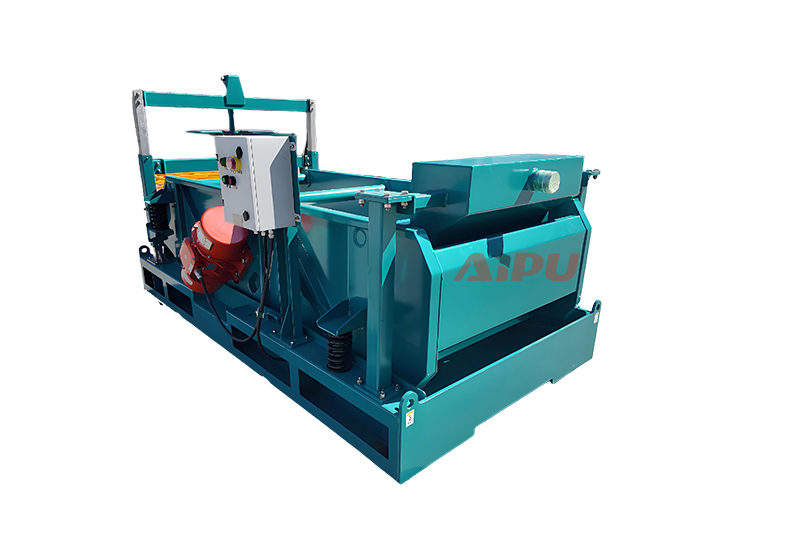
Vibration: Powerful, eccentrically weighted motors (vibrators) impart a high-frequency, oscillating motion to the screen deck(s). This motion can be linear, elliptical, or a combination (dual-motion).
-
Separation: The vibrating action propels the fluid and smaller particles through the screen mesh openings (the "undersize"), which returns to the active mud system. The larger solid particles (cuttings) are conveyed along the sloped screen surface and discharged off the end of the shaker into a collection bin (the "oversize").
-
Deck Angle: The slope (deck angle) of the screen panels is often adjustable. A steeper angle increases conveyance speed but may reduce liquid throughput, while a shallower angle increases fluid processing time.
4. Key Components and Technical Parameters
-
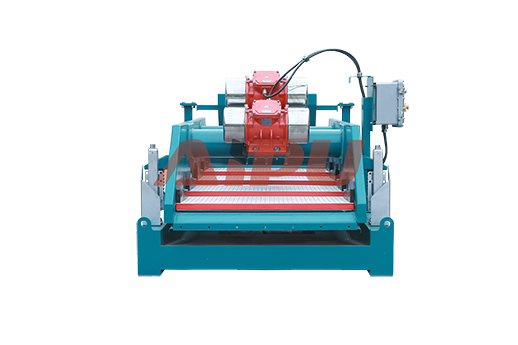
Screen Deck & Screens: The heart of the machine. Screens are tensioned panels with specific mesh sizes (measured in microns or mesh count). Larger screen area increases capacity. For example, the AIPU Hunter-MG4 shaker features a screen area of 2.7 m².
-
Vibrating Motors: Provide the necessary "G-force" (typically 4-7 Gs) for separation. Motors are often paired. The AIPU Hunter-MGD uses two 1.86kW motors to achieve dual-motion.
-
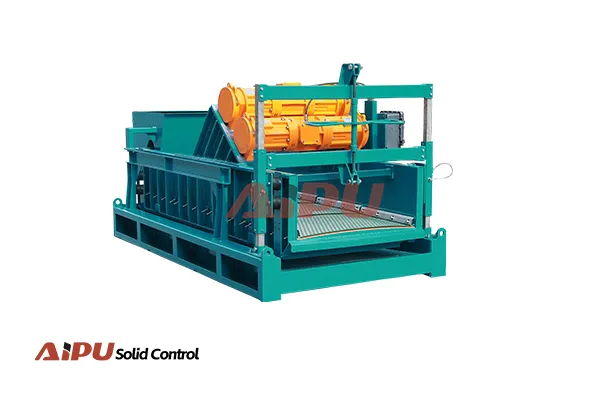
Deck Structure: Holds the screens. Can be single, double, or triple-deck configurations. Modern shakers like AIPU's Hunter series offer a flexible deck angle adjustment (e.g., -1° to +5°).
-
Base & Skid: Provides structural support and often integrates a sump for collected fluid.
-
Capacity: A critical specification, measured in cubic meters per hour (m³/h) of fluid the shaker can process. Capacities range widely; for instance, the AIPU Hunter-Mini handles 50 m³/h, while the Hunter-MG4T can process up to 420 m³/h.
5. Main Types of Shale Shakers
-
Linear Motion Shakers: Provide a straight-line, forward-moving vibration, excellent for conveying sticky solids and high-fluid-rate applications. Common in many configurations.
-
Elliptical/Balanced Elliptical Motion Shakers: Produce an elliptical vibration pattern, offering a good balance between solids conveyance and liquid throughput.
-
Dual-Motion Shakers: Advanced shakers that can switch between linear and elliptical motion modes during operation to adapt to changing drilling conditions. The AIPU Hunter-MGD is a prime example, using only two motors to achieve this versatile functionality, which is popular in complex drilling environments.
6. Key Features and Benefits
-
High Treating Capacity: Enables processing of the full mud circulation rate.
-
Effective Solids Removal: Protects valuable downstream equipment like pumps, hydrocyclones, and centrifuges from abrasive wear.
-
Reduces Waste & Costs: By removing solids early, it decreases the volume of waste mud for disposal and recovers valuable liquid phase for reuse.
-
Improved Drilling Efficiency: Cleaner mud leads to better rates of penetration (ROP), reduced downhole problems, and lower mud treatment costs.
-
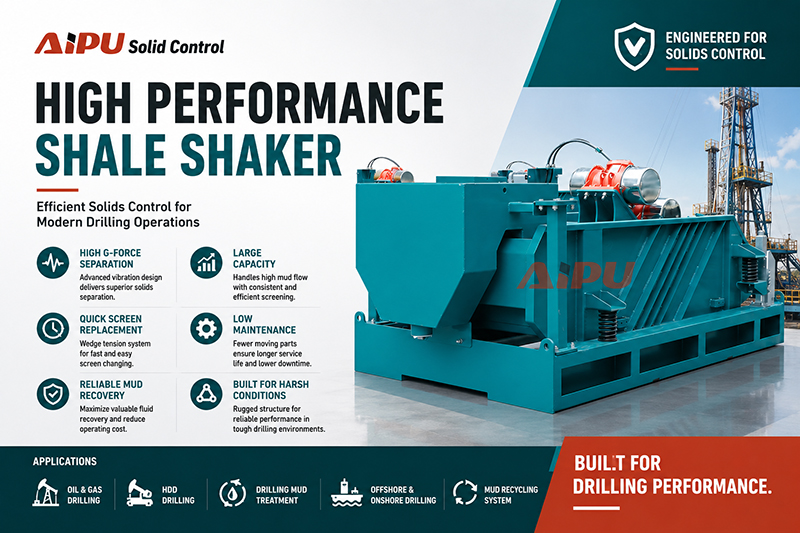
Robust & Low Maintenance: Designed with few wear parts, high-quality materials, and features like quick-change screen systems for minimal downtime (a feature highlighted in AIPU's catalog).
7. Selection and Operational Considerations
Choosing the right shale shaker depends on:
-
Drilling Program: Expected flow rates, mud type (water-based, oil-based), and formation characteristics.
-
Required Capacity: Must match or exceed the maximum circulating flow rate.
-
Screen Mesh: Selected based on the desired cut-point (often 74-120 mesh for primary separation).
-
Motion Type: Linear for high conveyance, elliptical for balanced performance, dual-motion for maximum adaptability.
-
Rig Space and Power: Physical footprint and available electrical power (e.g., 380V/50Hz or 460V/60Hz).
Conclusion
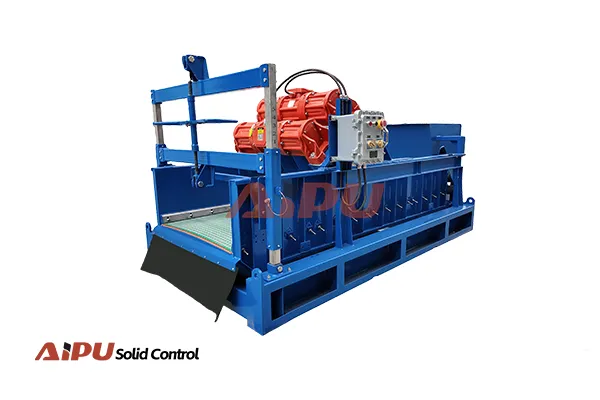
The shale shaker is far more than just a simple vibrating screen; it is the critical first step in responsible and efficient drilling fluid management. Its performance sets the tone for the entire solids control process, directly impacting operational costs, equipment longevity, and environmental compliance. From conventional linear models to advanced dual-motion shakers like the AIPU Hunter-MGD, continuous innovation in shaker technology ensures that this primary guard remains capable of meeting the ever-increasing challenges of modern drilling operations. Investing in a reliable, high-capacity shale shaker is the first and most crucial step towards achieving optimal drilling performance.
Related Products