What is a mud cleaner?
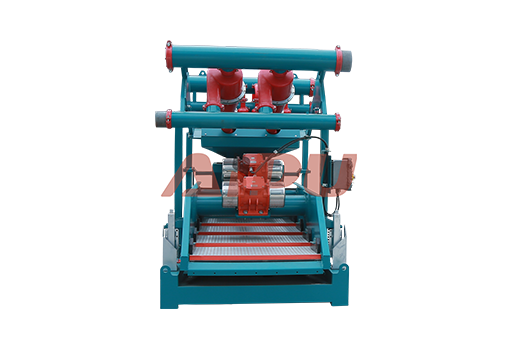
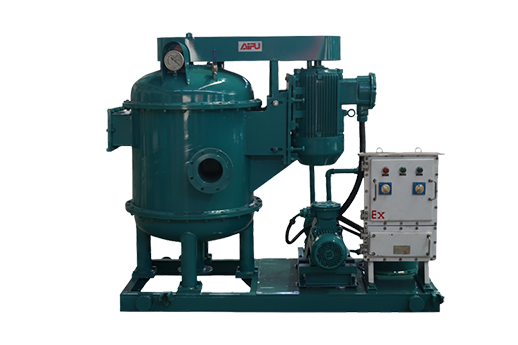
Based on the content from the provided product catalogs, a mud cleaner is a specialized solids control device that combines the functions of a desander and a desilter with a fine-screen shale shaker (often called an underflow screen) into a single, integrated unit.

Definition and Primary Function:
Its core purpose is to perform the second and third stages of solids control in the drilling fluid purification process. It is designed to remove fine solids particles in the size range of approximately 15 to 74 microns. As stated in the catalogs, it is used to "achieve effective 2nd and 3rd phase solids control" and is "widely used in oil and gas drilling mud process, waste management and other liquid-solid separation application."
Key Components and How It Works:
-
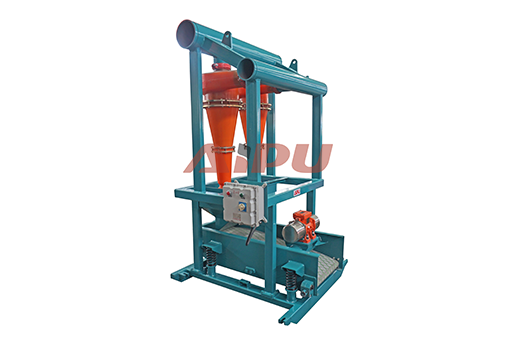
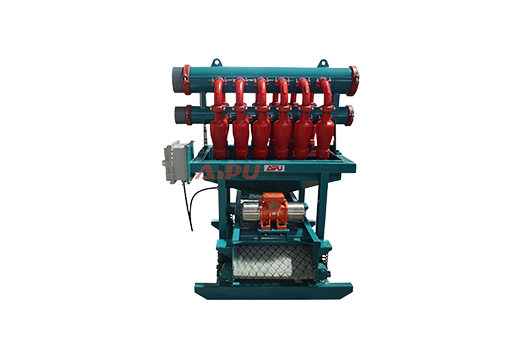
Hydrocyclone Banks: The unit contains two sets of hydrocyclones.
-
Desander Cones: Larger cones (e.g., 10" in diameter) that remove medium-sized solids (~44-74 μm).
-
Desilter Cones: Smaller cones (e.g., 4" in diameter) that remove finer solids (~15-44 μm).
-
-
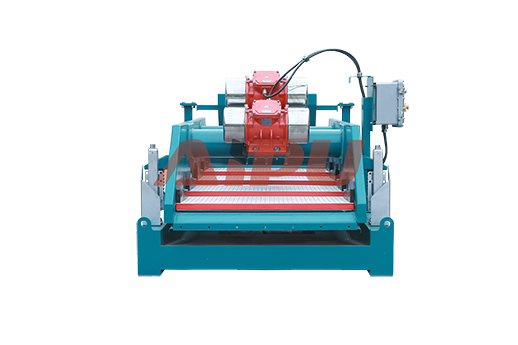
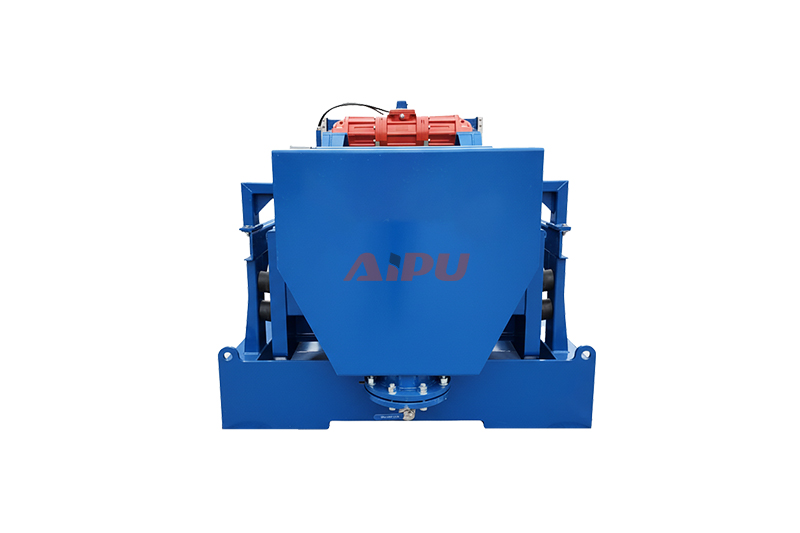
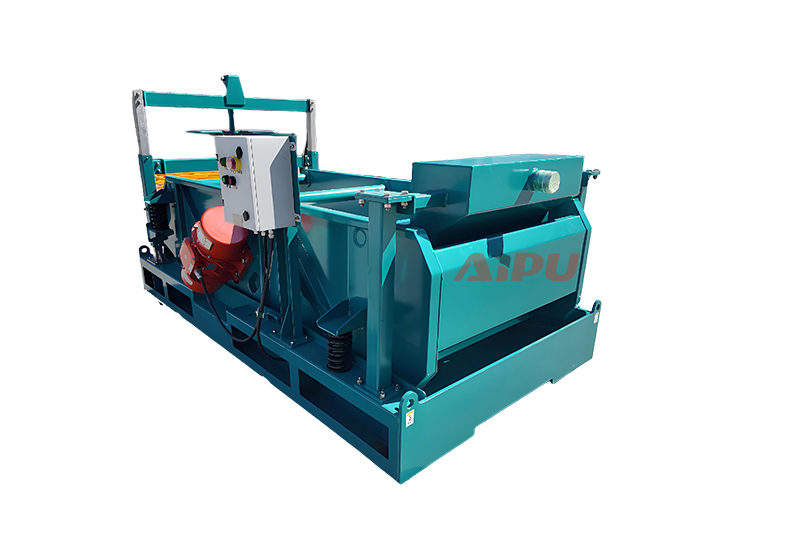
Underflow Shaker: The critical component that gives it the "cleaner" name. The separated solids and a small amount of liquid discharged from the bottom of the hydrocyclones (the "underflow") are fed onto a vibrating screen. This screen, typically a fine-mesh shale shaker like the Hunter-MG3 or Hunter-Mini (as listed in the configuration tables), further separates the liquid from the solids. The liquid is returned to the system, and the dried solids are discarded.
Technical Specifications and Configuration (from AIPU Hunter Series):
The catalogs provide detailed models, such as the Hunter120, Hunter240, and Hunter320 series. Their configuration depends on required capacity:
-
Capacity: Ranges from 120 m³/h to 320 m³/h.
-
Desilter Cones: Configured in multiples (e.g., 4"x8, 4"x12, or 4"x16 cones).
-
Desander Cones: Configured as needed (e.g., 10"x1, 10"x2, or 10"x3 cones).
-
Underflow Shaker: Paired with an appropriate model (e.g., Hunter-D3, Hunter-MG4).
-
Working Pressure: Typically operates at 0.25~0.45 MPa.
-
Separation Point: Effectively removes solids between 15~74 μm.
Purpose and Advantages:
-
Efficient Two-Stage Removal: It performs the work of both a desander and a desilter in a compact footprint, simplifying the solids control system layout.
-
Liquid Recovery and Drier Solids: The integrated underflow shaker recovers valuable drilling fluid from the hydrocyclone discharge, minimizing mud losses. It also produces drier cuttings for disposal, reducing waste volume and cost. The catalog notes it can "decrease much cost on process or waste."
-
Protects Downstream Equipment: By removing fine solids, it provides cleaner fluid for subsequent, more sensitive equipment like decanter centrifuges, improving their efficiency and lifespan. The catalog states it provides a "good condition for further centrifuge process."
-
Flexible Configuration: As highlighted in the "More Options" sections, mud cleaners can be customized with different shaker types, motor brands, electrical systems, and certifications (like ATEX/IECEx) to suit specific project requirements.
In summary, a mud cleaner is an efficient, integrated device that combines hydrocyclone and fine-screening technologies to remove a wide range of fine to medium solids from drilling fluid. Its key advantage is enhanced liquid recovery and waste reduction, making it a crucial component for cost-effective and environmentally conscious drilling operations.
Related Products