What is a Shearing Pump? The Polymer Hydration Accelerator in Drilling Fluid Systems
In the intricate chemistry of drilling fluid management, simply adding polymers to water or mud is rarely sufficient. High molecular weight polymers—essential for viscosity control, fluid loss prevention, and shale inhibition—require intense mechanical energy to fully hydrate and develop their intended properties. Without proper shearing, these polymers form partially hydrated globules known as "fish eyes" that not only waste expensive chemicals but can actually damage formations and plug equipment. This is where the shearing pump enters the solids control system, serving a specialized function distinct from all other equipment.
1. Definition and Core Function
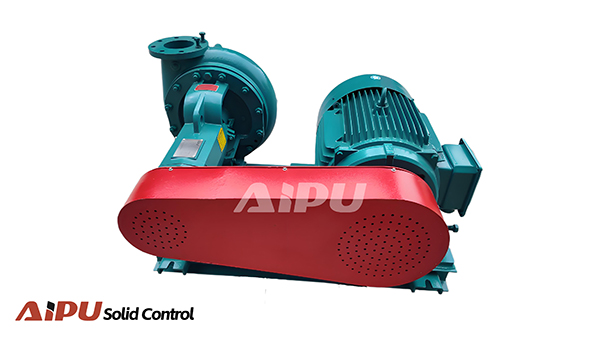
A shearing pump is a specialized high-energy mixing device designed to generate intense hydraulic shear forces for the rapid hydration and dispersion of polymers, bentonite, and other drilling fluid additives. Unlike centrifugal pumps that simply move fluid, or agitators that maintain suspension, shearing pumps actively tear apart polymer chains and clay particles, accelerating the hydration process that would otherwise take hours or even days under simple agitation.
The shearing pump solves a fundamental challenge in drilling fluid preparation: high molecular weight polymers have a natural tendency to clump when first wetted, forming a gelatinous outer layer that prevents water from reaching the dry interior. The intense shear forces generated by these pumps physically disrupt these clumps, exposing fresh surfaces to water and dramatically accelerating complete hydration.
2. The Problem Shearing Pumps Solve
Understanding why shearing pumps are necessary requires understanding what happens without them:
The Polymer Hydration Challenge:
Polymers used in drilling mud have extremely high molecular weights—often millions of Daltons. When dry polymer powder contacts water, the outer particles instantly begin hydrating and swelling, forming a viscous gel layer. This gel layer acts as a barrier, trapping dry polymer inside and preventing further water penetration. The result is partially hydrated globules—"fish eyes"—that:
-
Cause Formation Damage: These gel particles can invade formation pores, reducing permeability and impairing production. Once lodged, they are extremely difficult to remove.
-
Plug Shaker Screens: In the first circulation, these globules can blind shale shaker screens, causing fluid losses and requiring screen cleaning or replacement.
-
Waste Expensive Chemicals: Polymer trapped inside fish eyes never contributes to fluid properties, requiring over-addition to achieve desired rheology.
-
Create Inconsistent Mud: Partially hydrated polymers produce erratic rheology, making mud properties unpredictable and difficult to control.
-
Hard to Remove Solids: Insufficiently sheared polymers can actually make drilled solids harder to remove, as they coat particles and interfere with separation equipment.
Without Adequate Shear:
If polymers are not properly sheared before entering the drilling fluid system, they may:
-
Block shale shaker screens in the first cycle, causing large polymer losses
-
Increase drilling costs through chemical waste
-
Make large-sized solid particles in the drilling fluid hard and difficult to remove
-
Produce many "fish eyes" that damage formation, reduce permeability, and lower oil and gas production
3. How Does a Shearing Pump Work?
Shearing pumps operate on fundamentally different principles than standard centrifugal pumps:
The Mechanical Principle:
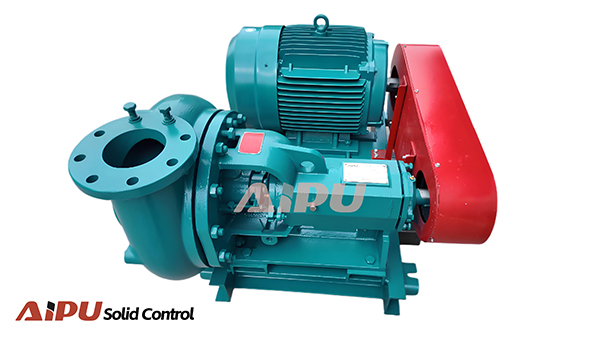
A shearing pump combines centrifugal force with intense mechanical and hydraulic shear through a specially designed rotor-stator configuration:
-
High-Speed Rotation: The pump impeller (rotor) rotates at extremely high speeds—typically 1,900-2,200 rpm, significantly faster than standard centrifugal pumps.
-
Tight Tolerances: The rotor operates within a closely machined stator (liner) with very small clearances, creating intense shear forces in the gap.
-
Multiple Shear Events: As fluid passes through the pump, it experiences thousands of high-energy shear events per second as it travels through the narrow clearances between rotating and stationary surfaces.
-
Hydraulic Cavitation: The high-speed rotation creates localized pressure drops that cause cavitation bubbles, which implode with tremendous force, further contributing to particle size reduction.
-
Mechanical Impact: Particles and polymer agglomerates are mechanically impacted against stationary surfaces, breaking them apart.
The Flow Path:
-
Fluid enters the pump suction
-
It is accelerated by the high-speed rotor
-
Fluid passes through the narrow clearance between rotor and stator, experiencing intense shear
-
Multiple stages of shear may occur depending on pump design
-
Discharged fluid contains fully dispersed, partially hydrated polymers ready for final hydration in the mud system
4. Key Technical Specifications
Based on industry-standard configurations like the APJQB series, shearing pumps are available in specific configurations optimized for drilling fluid preparation:

Key Design Features:
Mechanical Sealing:
These pumps adopt comprehensive mechanical sealing technology with innovative and unique design. The sealing performance is advanced both domestically and internationally, providing reliable operation and long service life. This is critical given the abrasive nature of drilling fluids and the high-speed operation.
High-Speed Operation:
Operating at 1,900-2,200 rpm—significantly faster than standard centrifugal pumps (typically 1,450-1,750 rpm)—generates the intense shear forces necessary for polymer hydration.
Robust Construction:
Heavy-duty construction with appropriate materials to withstand the mechanical stresses of high-speed operation and the abrasive nature of drilling fluid additives.
5. The Benefits of Proper Shearing
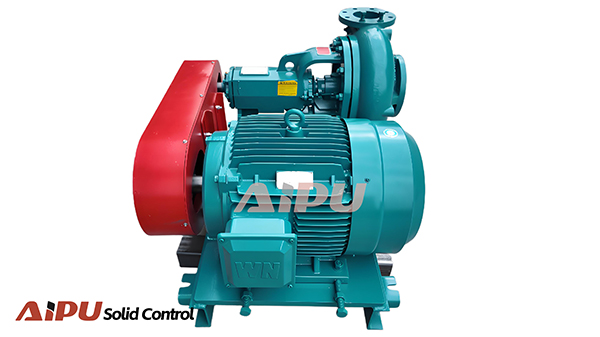
When polymers are properly sheared before entering the drilling fluid system, multiple benefits result:
Accelerated Hydration:
The intense shear greatly improves the hydration degree of polymer and clay particles. What might take hours under simple agitation occurs in minutes with proper shearing.
Bentonite Savings:
Proper shearing can save over 30% on bentonite consumption. By fully hydrating each particle, less total product is needed to achieve target rheology. The brochure specifically notes: "Greatly improve the hydration degree of soil particles and save over 30% of bentonite."
Elimination of Fish Eyes:
Complete dispersion eliminates the partially hydrated globules that cause formation damage and equipment problems. This protects the reservoir and ensures consistent fluid properties.
Improved Filter Cake:
Properly sheared polymers produce thinner, higher-quality filter cake. The brochure notes: "Reduce the loss of mud cake and fluid flow, and lower the shear ratio rate of drilling fluid, and improve the strength of gel."
Screen Protection:
By eliminating large polymer globules, shearing pumps prevent shaker screen blinding, reducing downtime and screen replacement costs.
Formation Protection:
Perhaps most importantly, eliminating fish eyes prevents formation damage. Those partially hydrated globules, if they reach the reservoir, can permanently impair permeability. The shearing pump is thus a formation protection device as much as a mixing tool.
Cost Reduction:
The combination of reduced chemical consumption, fewer problems, and better performance translates directly to lower drilling costs. The brochure emphasizes: "Provide high shear force for the rapid hydration of polymer (or clay), and solve the prominent problems caused by poor hydration of polymer (or clay) in drilling fluid."
6. How Shearing Pumps Compare to Other Equipment
vs. Standard Centrifugal Pumps:
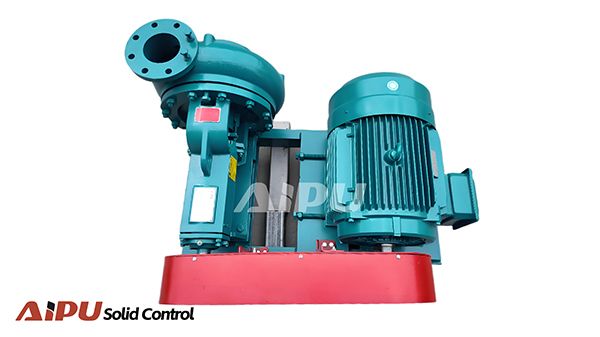
Centrifugal pumps move fluid but generate minimal shear. Their wide clearances and moderate speeds do not provide the energy needed to break polymer agglomerates. Using a centrifugal pump for polymer mixing would leave fish eyes intact and polymers poorly hydrated.
vs. Mud Agitators:
Agitators maintain suspension and provide gentle mixing but generate negligible shear. They cannot break polymer clumps; they simply circulate them.
vs. Shear Valves:
Some systems use shear valves (restrictions with high pressure drop) to generate shear. While less expensive, valves provide less consistent shear and higher wear than dedicated shearing pumps.
vs. Jet Mixers:
Standard jet mixers (venturi hoppers) provide initial wetting but limited shear. They are often used for initial addition, with shearing pumps providing subsequent mechanical treatment.
7. Application in the Drilling Fluid System
Position in the Process:
Shearing pumps typically operate in a dedicated mixing loop, not as part of the main circulation. Common configurations include:
-
Batch Mixing: Fresh polymer or bentonite is added to water in a pre-mix tank, with the shearing pump recirculating the mixture until fully hydrated.
-
Inline Shearing: Polymer is added to a flowing stream just upstream of the shearing pump, with the pump providing instantaneous shear.
-
Transfer Shearing: The shearing pump transfers fluid from a mixing tank to the active system while simultaneously shearing.
Integration with Other Equipment:
-
Mud Hoppers: Often used for initial polymer addition upstream of the shearing pump
-
Mud Tanks: Sheared fluid discharges into tanks where final hydration completes
-
Agitators: Maintain dispersion after shearing, preventing re-agglomeration
8. Operational Considerations
Proper Sizing:
Shearing pumps must be sized for the intended flow rate and system pressure. The two common models—100 m³/h and 155 m³/h—cover most drilling applications.
Sequential Operation:
Best practice typically involves:
-
Adding polymer to water through a mud hopper for initial wetting
-
Recirculating through the shearing pump for 15-30 minutes
-
Transferring to the active system
-
Allowing additional hydration time in the tank with gentle agitation
Maintenance:
High-speed operation and the abrasive nature of drilling additives mean shearing pumps require:
-
Regular seal inspection and replacement
-
Wear part monitoring (rotor and stator)
-
Bearing maintenance per manufacturer specifications
9. Economic Impact
The economic case for shearing pumps is compelling:
Chemical Savings:
-
30+% bentonite savings
-
10-20% polymer savings through complete utilization
-
Reduced need for viscosity enhancers
Problem Reduction:
-
Fewer shaker screen changes
-
Less formation damage treatment
-
Reduced non-productive time
Performance Enhancement:
-
Better hole cleaning
-
Improved solids control efficiency
-
More consistent rheology
Conclusion
The shearing pump occupies a unique and essential niche in drilling fluid management. While other equipment moves fluid, removes solids, or maintains suspension, the shearing pump prepares the fluid itself—ensuring that the expensive polymers and clays added to the system actually deliver their intended performance.
By generating intense hydraulic shear through high-speed rotation and tight-clearance design, these pumps solve the fundamental challenge of polymer hydration: the tendency of high molecular weight materials to form protective outer gels that trap dry interior. In minutes, they accomplish what hours of simple agitation cannot—complete dispersion and accelerated hydration.
The benefits cascade through the entire operation: bentonite savings exceed 30%, fish eyes are eliminated, formation damage is prevented, shaker screens stay clean, and fluid properties become consistent and predictable. In the comprehensive approach to drilling fluid management, the shearing pump proves that sometimes the most important treatment happens before the fluid ever reaches the wellbore.
Related Products