What Is a Solids Control System?
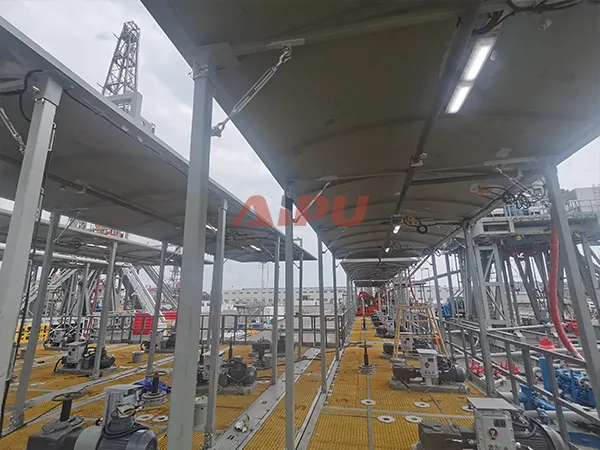
A solids control system is used in drilling operations to remove solid particles from drilling fluids and to protect and recycle the mud.During drilling, drilling fluid carries drillilg cuttings and other harmful solids back to the surface. The core objective of a solids control system is to separate these solid particles using physical methods, ensuring stable mud properties, reducing operating costs, and protecting downstream equipment.
Ⅰ.Definition of Solids Control
Solids control refers to the process of controlling and removing solid particles from drilling fluids during drilling operations.By efficiently removing drillilling cuttings and unwanted solids, the system ensures that drilling fluids can be reused while maintaining proper density, viscosity, and rheological properties.
Ⅱ.Four-Stage Solids Control Equipment: Classification and Functions
1. Four-Stage Solids Control Process
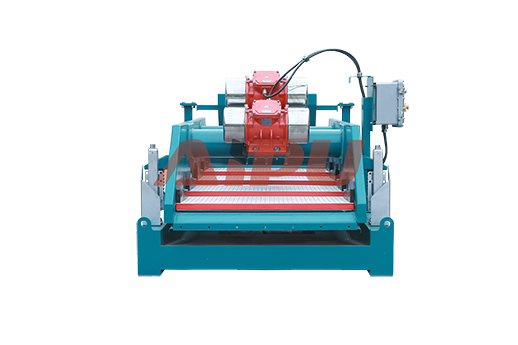
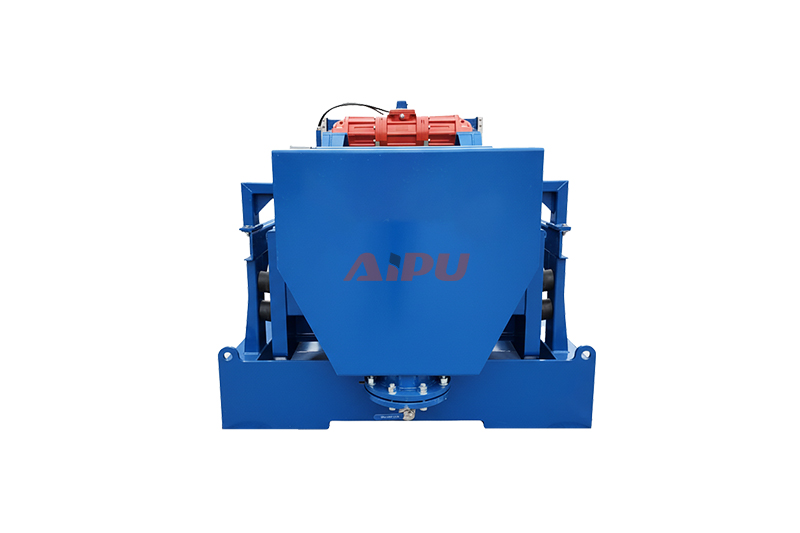
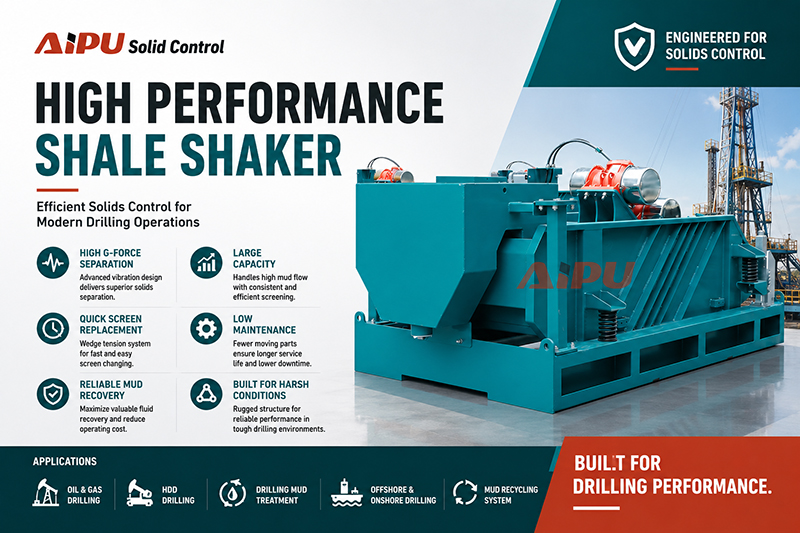
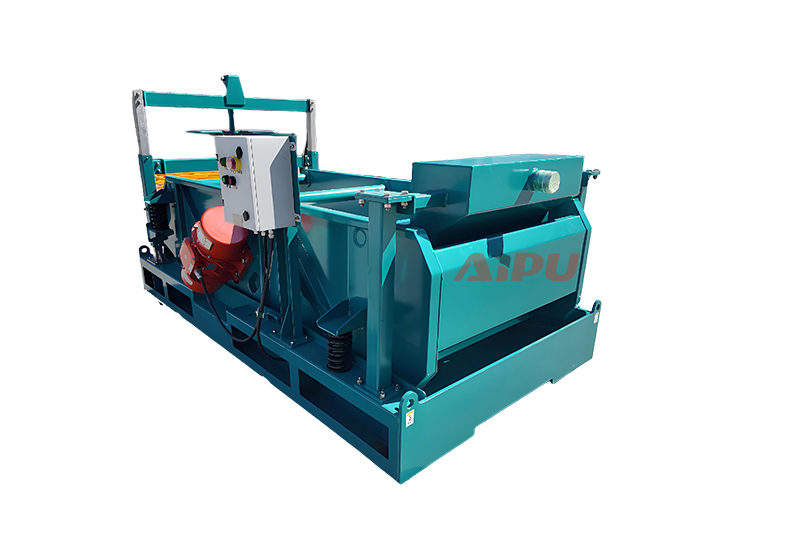
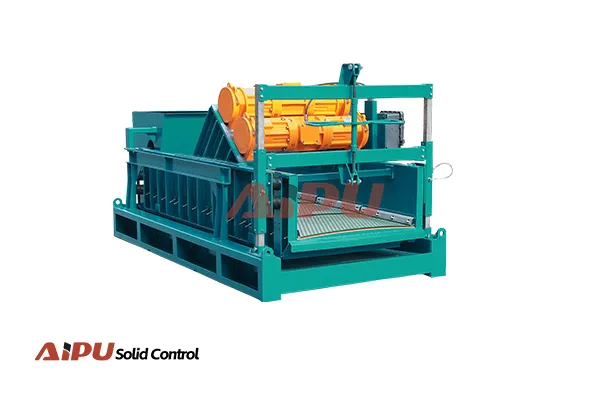
Stage 1 : Shale Shaker(Removes solids particles of 74 microns and bigger)
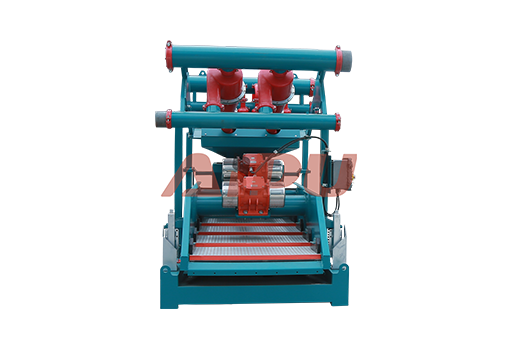
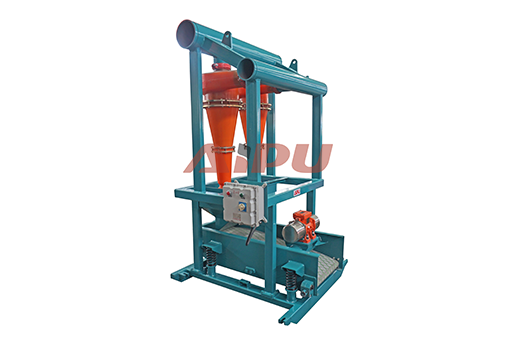
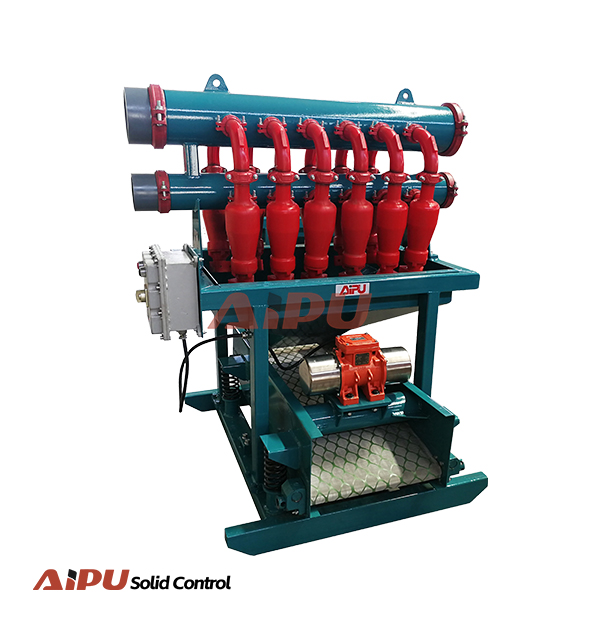
Stage 2 : Desander(Removes solid particles in the range of 45–74 microns)
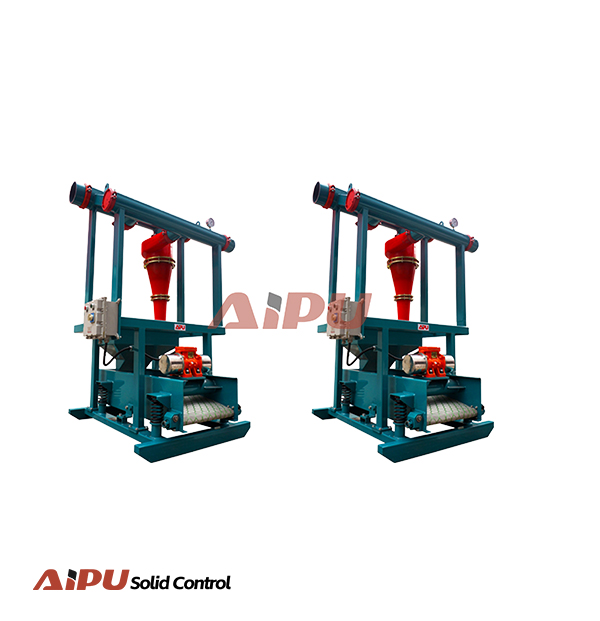
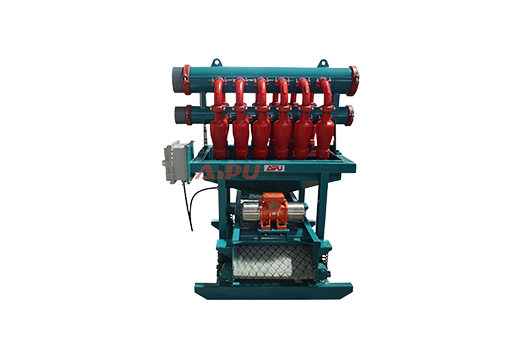
Stage 3 :Desilter(Removes solids sized 15–44 microns)
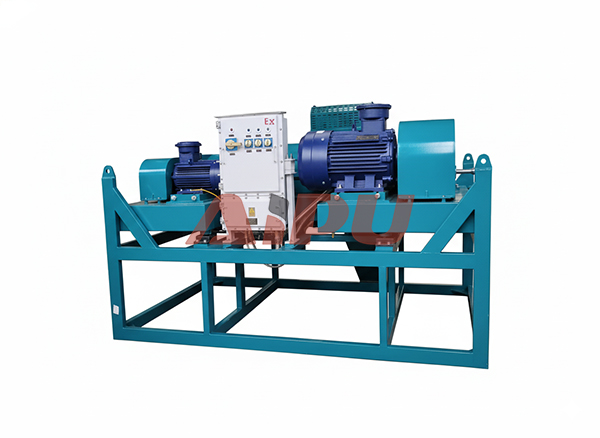
Stage 4 :Mud Decanter Centrifuge(Removes ultra-fine particles of 2–7 microns, close to colloidal size, often referred to as colloids or “gum”.)
2. Five-Stage Processing
This stage focuses on gas removal rather than solids separation.
Stage 1 :Mud Gas Separator(Installed before the shale shaker.
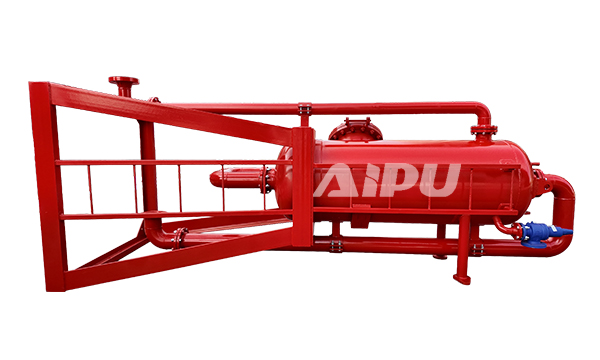
Handles large volumes of invaded gas and large gas bubbles)
Gas separation is achieved through gravity and pressure differential.
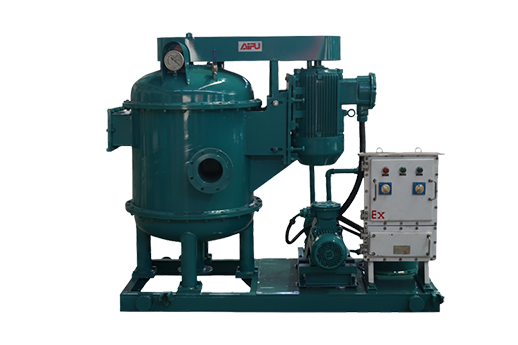
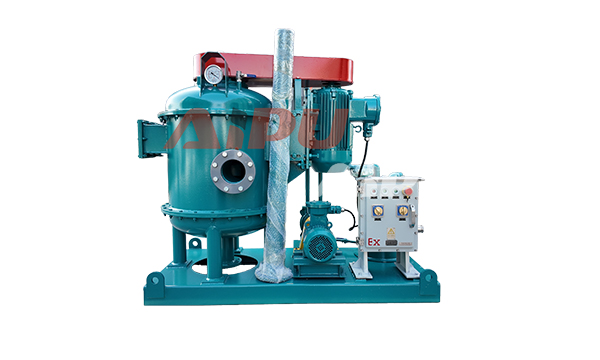
Stage 2 – Vacuum Degasser or Centrifugal Degasser(Installed after the shale shaker.Removes residual micro-bubbles to stabilize mud density and rheological properties.)
3. Difference Between Mud Gas Separator and Vacuum Degasser
Handles large gas bubbles and high gas volumes.
Prevents corrosion and safety risks caused by harmful gases.
Typically used together with a flare ignition device located 60–100 meters away.
Installed before the shale shaker.
Vacuum Degasser:
Secondary gas removal equipment.
Handles small gas bubbles.
Can also function as a mud agitator.
Installed after the shale shaker.
Ⅲ. Key Mud Transfer Pump Types
General-purpose mud transfer pump
Used for desanders, desilters, and system circulation
Not suitable for centrifuge feeding
2.Submersible Slurry Pump
Mainstream centrifuge feeding pump
High wear resistance
Vertical installation saves space
Low maintenance
3.Screw Pump
Self-priming
Stable flow rate
Higher cost
Used for special conditions
4.Shearing Pump
Provides pumping and shearing functions
Used for dispersing dry materials such as bentonite
Improves mixing efficiency
Ⅳ.Functions of Core Auxiliary Equipment
1.Agitator
Prevents mud sedimentation in tanks
Ensures uniform suction conditions
2.Mud Gun
High-pressure jet agitation
Enhances mixing in dead zones
Used for tank cleaning
3.Mixing Hopper and Shearing Pump
Efficient mixing of dry materials (e.g. barite, SPC agents) with liquids
4.Mud Tank
Skid-mounted, corrugated plate design
Tank capacity customized based on rig horsepower and flow rate
Includes:Trip tanks,Suction tanks,Mixing tanks,Supply tanks
Ⅴ.System Accessories and Safety Configuration
Includes walkways, guardrails, stairs, cable trays, piping components, valves, sand discharge doors, inspection ports, lighting systems, insulation shelters, accommodation cabins, and MCC electrical control rooms.All components strictly comply with HSE standards.
Ⅵ.System Flexibility and Customization
System configuration is customized based on:Rig power,Mud flow rate,Site space limitations,Operator requirements.This ensures an efficient, reliable, and project-optimized solids control solution.
Conclusion:
In modern drilling operations, efficient solids control is critical to ensure safety, reduce costs, and improve drilling efficiency. Solids control equipment plays a key role in separating drill cuttings and other solid particles from drilling fluids (mud), maintaining optimal fluid properties, and protecting downstream equipment.
Related Products