How Solids Control System Works: A Multi-Stage Separation Process
How solids control system works is the foundation of efficient drilling fluid management. Aipu Solid Control has developed a complete range of equipment that operates in a carefully orchestrated multi-stage process, ensuring drilling fluids maintain optimal properties while minimizing waste and operational costs.
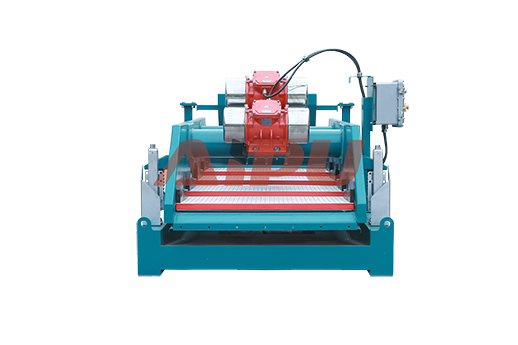
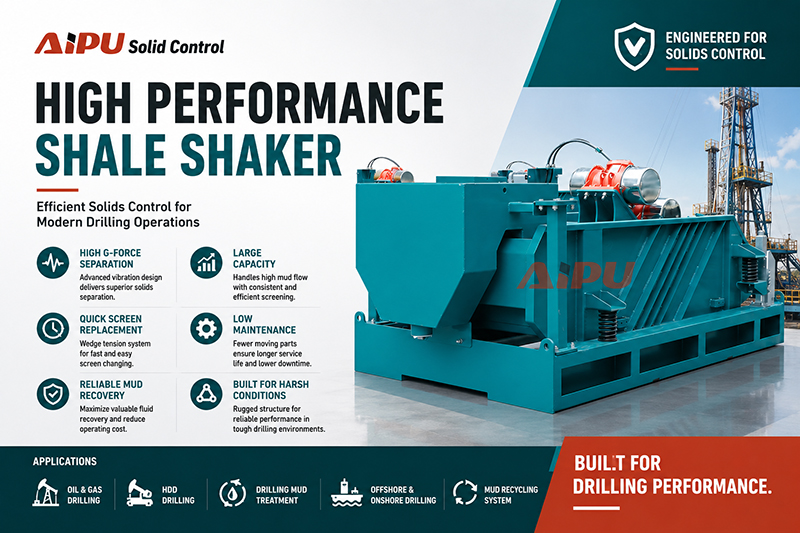
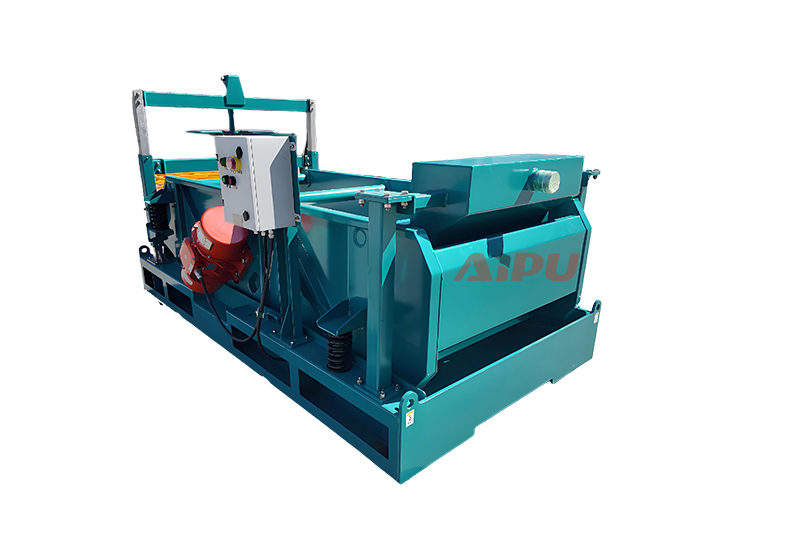
The process begins with the first-stage shale shaker. When drilling fluid returns from the wellbore, it flows directly onto the AIPU HUNTER-MG Shale Shaker. This equipment uses high-frequency vibration to separate large drill cuttings from the fluid. The Hunter-MG5 model, for instance, handles up to 180 m³/h with a screen area of 3.4 m², delivering effective solid-liquid separation that protects downstream equipment and significantly reduces waste volume.
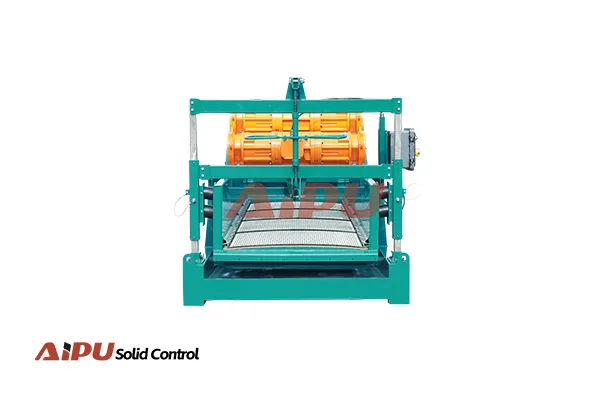
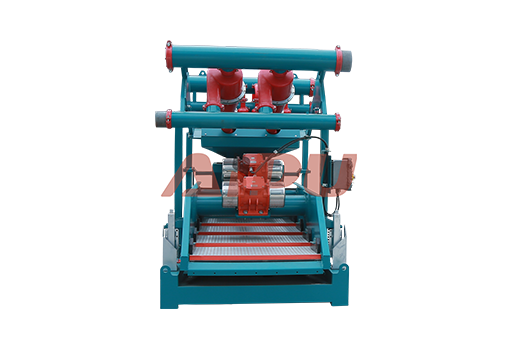
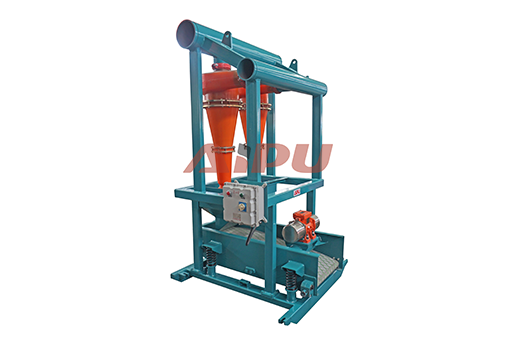
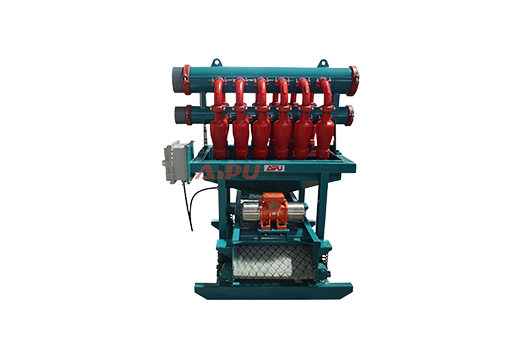
Following primary separation, the fluid enters the mud cleaner, which combines second and third-stage separation. The Aipu Hunter Mud Cleaner series integrates desanders and desilters in a single unit. Desander cones remove particles between 44 and 74μm, while desilter cones target the 15–44μm range. The Hunter 240 Mud Cleaner processes 240 m³/h, utilizing 10-inch desander cones and 4-inch desilter cones to achieve precise separation. The underflow from these hydrocyclones passes to a bottom shaker for further dewatering.
For the finest solids, the decanter centrifuge serves as the final stage. The AIPU APLW series centrifuge removes ultra-fine particles down to 2–7 microns. In weighted mud systems, it also controls viscosity and recovers valuable barite. The APLW355X1257-N achieves a separation point of 2–5μm with a separation factor of 2035G, ensuring the drilling fluid maintains the rheological properties required for safe, efficient drilling.
Related Products