How Does a Jet Mud Mixer Work? A Complete Guide to Efficient Drilling Fluids Mixing
In the oil and gas drilling industry, maintaining the precise properties of drilling fluid (or "mud") is critical for wellbore stability, cuttings removal, and overall operational efficiency. One of the most efficient and widely used tools for preparing and conditioning drilling mud is the jet mud mixer. Whether you are building a new mud system or upgrading your solids control equipment, understanding how a jet mud mixer works is essential for maximizing performance and minimizing costs.
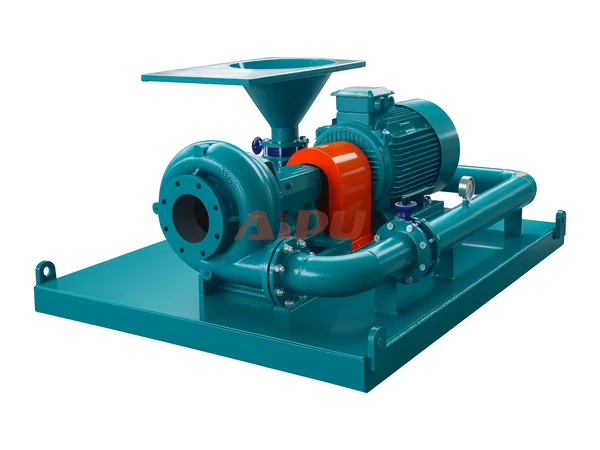
This article provides a detailed technical overview of the jet mud mixer's operation, its components, and the benefits it brings to modern drilling rigs.
What is a Jet Mud Mixer?
A jet mud mixer is a high-efficiency device used to rapidly mix dry drilling fluid additives (such as bentonite, barite, or polymers) with a liquid base (water or oil). Unlike traditional mechanical paddle mixers, the jet mixer utilizes high-velocity fluid flow and the Venturi effect to create a powerful suction vacuum. This allows for fast, lump-free hydration of chemicals and ensures a homogenous mud mixture.
Core Components of a Jet Mud Mixer System
To understand the working principle, it is important to first identify the key parts of a standard jet mud mixing system:
-
Mixing Hopper: A conical funnel where dry materials are fed.
-
Jet (Venturi Nozzle): A precisely engineered restriction that accelerates fluid flow, creating a pressure drop and suction.
-
Venturi Tube/Throat: The area where dry powder meets the high-velocity liquid stream for instant wetting.
-
Centrifugal Pump (Mixing Pump): The heart of the system, providing the required pressure and flow rate to the jet nozzle. (Often referred to as a jet mixing pump).
-
Piping and Valves: Controls flow direction to either mix new mud or transfer fluids.
Step-by-Step Working Principle: How Does a Jet Mud Mixer Work?
The operation of a jet mud mixer relies on fundamental fluid dynamics—specifically Bernoulli's Principle and the Venturi Effect. Here is the detailed process:
Step 1: High-Pressure Fluid Supply
The process begins with a dedicated centrifugal pump—the jet mixing pump. This pump draws liquid (typically water or pre-mixed mud from a tank) and discharges it at high pressure toward the mixing hopper assembly. The performance of the mixer is directly dependent on the pump's ability to generate sufficient flow and head.
Step 2: Velocity Increase in the Nozzle
The high-pressure fluid enters the jet nozzle. The nozzle is designed with a significantly smaller cross-sectional area than the supply pipe. According to the continuity principle, as the cross-section decreases, the fluid velocity increases dramatically (often exceeding 100 ft/s).
Step 3: Creation of Vacuum (Venturi Effect)
As the high-velocity stream exits the nozzle tip and enters the mixing chamber (throat), it creates a localized area of low pressure (vacuum). This is the critical Venturi effect. The pressure inside the throat drops well below atmospheric pressure.
Step 4: Dry Material Induction
The vacuum generated in the throat extends up into the mixing hopper. When dry bentonite, barite, or polymer is poured into the hopper, atmospheric pressure pushes the powder down into the low-pressure zone. The material is literally sucked into the liquid stream at a controlled rate via a butterfly valve at the hopper base.
Step 5: High-Shear Wetting and Dispersion
This is the most crucial phase distinguishing jet mixing from simple agitation. As the dry powder is drawn into the throat, it collides with the high-velocity liquid jet. The extreme turbulence and shear forces at the interface instantly saturate and separate individual powder particles. This prevents the formation of "fish eyes" (dry clumps of polymer gel) which are common in low-shear mixing tanks.
Step 6: Homogenization and Discharge
The combined slurry of liquid and wetted solids exits the Venturi tube into a discharge pipe. The turbulent flow continues for several feet downstream, ensuring complete dispersion and hydration. The mixed fluid is then returned to the active mud tank or a reserve pit.
Advantages of Using a Jet Mud Mixer in Solids Control
Why choose a jet mixer over a simple paddle agitator? Here are the key operational benefits:
-
Speed: A jet mixer can hydrate a ton of bentonite in a fraction of the time required by traditional hopper systems.
-
Energy Efficiency: The mixing action is powered by fluid velocity rather than heavy mechanical gearboxes, reducing electrical load.
-
No Moving Parts in Hopper: The Venturi system is incredibly robust with minimal wear parts compared to high-shear impellers.
-
Superior Polymer Activation: For expensive drilling fluid polymers, proper shear is required to uncoil the polymer chains. Jet mixers provide optimal shear without over-shearing and degrading the product.
The Critical Role of the Jet Mixing Pump
While the hopper and Venturi are where the magic happens, the jet mixing pump is the engine. A poorly selected or worn pump will result in low suction vacuum and poor mixing efficiency. Operators should look for pumps specifically designed for solids handling with robust mechanical seals and high-efficiency impellers.
Optimize Your Mud Mixing with Aipu Solid Control
Understanding how a jet mud mixer works is the first step toward improving your drilling fluid performance. Whether you need a standalone mixing hopper or a complete jet mixing pump system, Aipu Solid Control provides industry-leading equipment designed for durability and high efficiency in harsh drilling environments.
Aipu's jet mixing pumps are engineered to deliver the precise flow rates and pressure required for optimal Venturi performance, ensuring your mud is mixed right the first time, every time.
Explore Aipu's Jet Mud Mixer Solutions:
For detailed specifications, dimensions, and performance data, we recommend visiting the official product page:
Aipu Solid Control Jet Mixing Pump & Hopper System
Upgrade your solids control system with Aipu's reliable technology and experience the difference in mixing efficiency.
Related Products